With the arrival of winter and the drop in temperatures, it is common to hear recommendations to avoid walking barefoot or getting cold to avoid catching the flu. Although this is a widespread belief, the relationship between cold and illness is not as simple as it seems.
Is walking barefoot in winter bad? Understand what increases the risk of flu
With the arrival of winter and the drop in temperatures, it is common to hear recommendations to avoid walking barefoot or getting cold to avoid catching the flu. Although this is a widespread belief, the relationship...
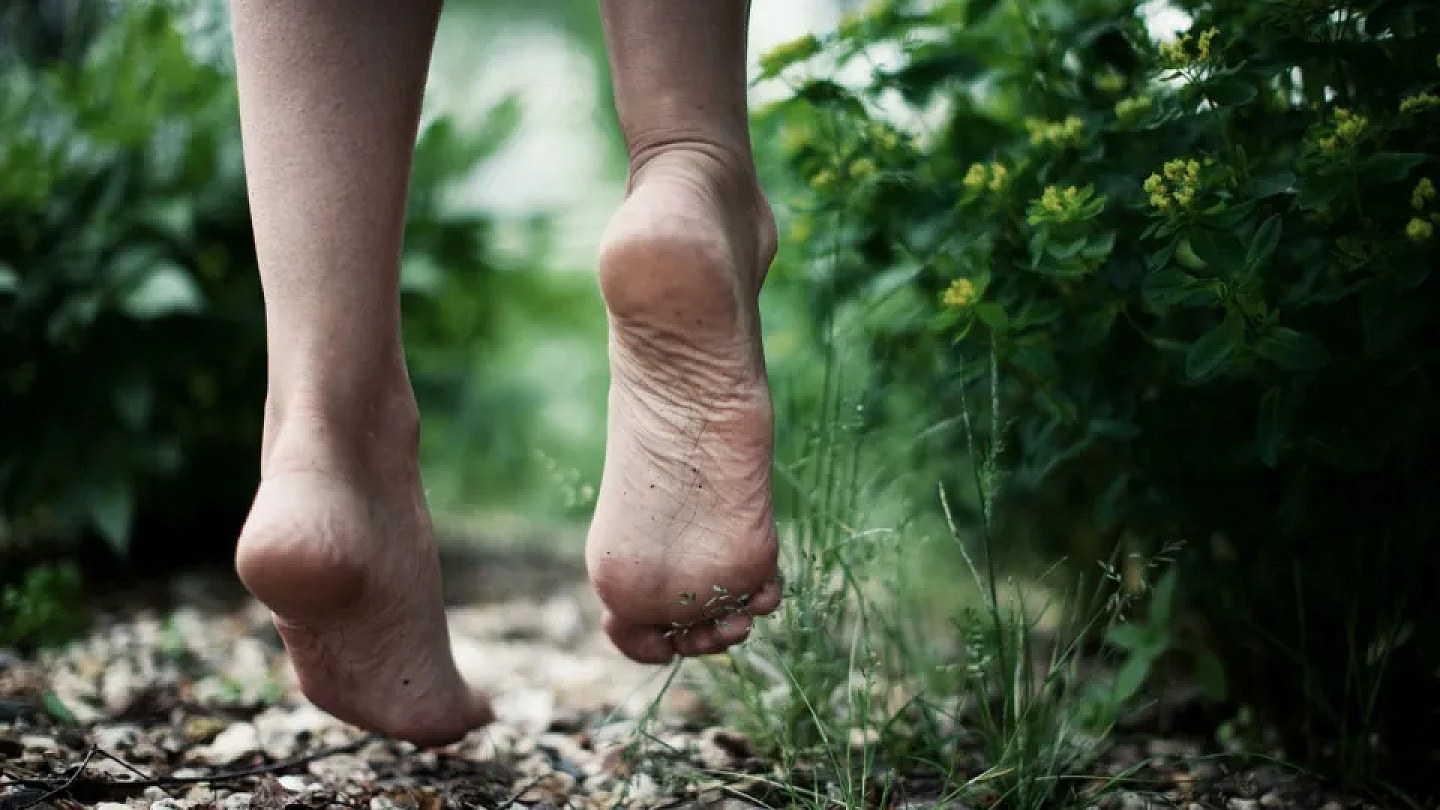
According to the coordinator of the Nursing course at Faculdade Anhanguera, Claudia Bis, the flu is caused by viruses and not by exposure to low temperatures. "The cold, in itself, does not cause the flu. The disease is transmitted through contact with the influenza virus, mainly through droplets eliminated when coughing, sneezing or talking", he explains.
However, the nurse emphasizes that some more common behaviors during winter can favor the spread of respiratory viruses.
Staying indoors: on cold days, people tend to spend more time indoors with little air circulation. This scenario favors the transmission of viruses between individuals.
Dry air and respiratory tract irritation: low air humidity, characteristic of winter in many regions of the country, can dry out the mucous membranes of the nose and throat, leaving them more vulnerable to the entry of microorganisms.
Less sun exposure: Reducing sun exposure during the colder months can impact vitamin D levels, a nutrient that plays an important role in the functioning of the immune system.
More frequent contact with sick people: the greater circulation of respiratory viruses in winter also contributes to the increase in cases of flu and colds.
According to the coordinator, walking barefoot or feeling cold on your feet can cause discomfort, but it is not enough to trigger the disease. "Staying warm is important for comfort and well-being, but the most effective measures to prevent the flu continue to be annual vaccination, hand hygiene, good ventilation of environments and the adoption of healthy habits", he advises.
In addition to these precautions, the use of a disposable mask in case of respiratory symptoms or in closed environments with large circulation of people, as well as frequent hand hygiene with soap and water or alcohol gel, continue to be important measures to reduce the spread of respiratory viruses. Habits widely adopted during the pandemic remain effective in preventing flu and other respiratory infections.
In case of persistent fever, shortness of breath or worsening of symptoms, it is important to seek medical attention. "Many popular beliefs end up being passed down from generation to generation, but it is essential to seek evidence-based information to take better care of your health", he concludes.
Source: Noticias ao Minuto
Next recommended read
This story was originally published by Noticias ao Minuto. Visit the original publication for further details.
Open original publication