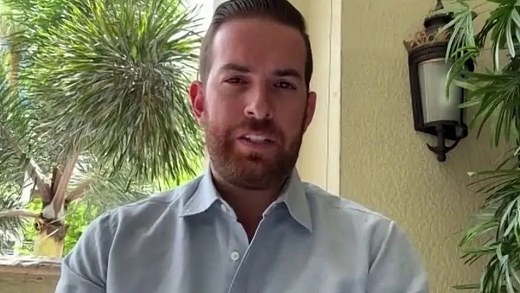
As doenças cardiovasculares seguem entre as principais causas de morte no Brasil e no mundo, e o colesterol elevado está entre os fatores de risco mais relevantes. De acordo com a Diretriz Brasileira de Dislipidemias e Prevenção da Aterosclerose 2025, aproximadamente uma em cada três pessoas no Brasil apresenta colesterol total acima de 200 mg/dL, enquanto cerca de um em cada cinco adultos possui níveis elevados de LDL-colesterol, condição que, na maioria das vezes, evolui de forma silenciosa e só é identificada em exames de rotina.
High cholesterol progresses silently and can lead to heart attack and stroke
As doenças cardiovasculares seguem entre as principais causas de morte no Brasil e no mundo, e o colesterol elevado está entre os fatores de risco mais relevantes. De acordo com a Diretriz Brasileira de Dislipidemias e...

Apesar de ser frequentemente associado apenas à alimentação, o colesterol é uma substância essencial para o funcionamento do organismo. Presente em todas as células do corpo, participa da produção de hormônios, da vitamina D e da formação das membranas celulares. O problema surge quando seus níveis, especialmente do LDL, conhecido como "colesterol ruim", se elevam, favorecendo o acúmulo de placas de gordura nas artérias e aumentando significativamente o risco de doenças cardiovasculares.
O colesterol circula no sangue por meio de diferentes lipoproteínas, sendo as principais o LDL (lipoproteína de baixa densidade) e o HDL (lipoproteína de alta densidade). Enquanto o LDL transporta colesterol para os tecidos e, em excesso, pode se depositar nas paredes das artérias, o HDL exerce o papel oposto, removendo o excesso da circulação e o leva de volta ao fígado para eliminação, razão pela qual é conhecido como "colesterol bom".
Segundo a Dra. Rosangeles Konrad, médica e professora da pós-graduação em Cardiologia da Afya Educação Médica Brasília, um dos maiores desafios é justamente o fato de o colesterol alto não provocar sintomas na maioria dos casos. "O colesterol elevado costuma evoluir de forma silenciosa, e esse é um dos aspectos que mais preocupam. O paciente pode passar anos com o LDL alto, favorecendo a formação de placas nas artérias, sem apresentar qualquer sintoma. Não há dor, mal-estar ou outro sinal que chame atenção. Muitas pessoas só descobrem a alteração em um exame de rotina ou, infelizmente, após um evento cardiovascular, como infarto ou acidente vascular cerebral (AVC). Por isso, é fundamental manter o acompanhamento médico e realizar exames periódicos, especialmente quem tem histórico familiar, hipertensão, diabetes, obesidade ou outros fatores de risco."
The specialist highlights that early diagnosis of high cholesterol is still a challenge, as the disease is usually asymptomatic. While some patients discover the change during routine exams and are able to start treatment before complications arise, many only receive the diagnosis after suffering a heart attack or stroke. For her, low adherence to preventive exams among people without symptoms continues to be one of the main obstacles to reducing the incidence of cardiovascular diseases. "The ideal scenario is to discover high cholesterol during a routine check-up, when there is still time to act and avoid complications. Unfortunately, many patients only receive this diagnosis after a heart attack or stroke, which reinforces the importance of periodic exams, even for those who feel healthy", he states.
In addition to genetic predisposition, the cardiologist explains that lifestyle habits have a direct influence on cholesterol levels. A diet rich in saturated fats and ultra-processed foods, a sedentary lifestyle, smoking and being overweight contribute to an increase in LDL and accelerate the formation of plaque in the arteries. "In many patients, especially those at low to moderate risk, just changing habits can reduce cholesterol significantly. When necessary, drug treatment complements this strategy to protect the heart", he states.
For patients with high cardiovascular risk or genetic diseases, such as familial hypercholesterolemia, lifestyle changes often need to be associated with drug treatment. Currently, in addition to statins, there are options such as ezetimibe, bempedoic acid and PCSK9 inhibitors (a protein produced in the liver that binds to LDL receptors), indicated according to the profile and risk of each patient. "Today we do not depend solely on statins. The therapeutic arsenal has grown significantly in recent years, allowing for more individualized treatment and better results in controlling cholesterol", highlights the Afya doctor.
9 guidelines on how to keep cholesterol at healthy levels, according to the cardiologist
Prioritize natural foods, such as fruits, vegetables, legumes, whole grains and legumes, which are rich in fiber and help reduce cholesterol absorption.
Include sources of healthy fats in your diet, such as olive oil, chestnuts, nuts, seeds and fish rich in omega-3, which contribute to protecting the heart.
Reduce your consumption of saturated fats and ultra-processed foods, found in fried foods, sausages, fatty meats and processed products, which increase LDL ("bad") cholesterol.
Practice physical activity regularly, accumulating at least 150 minutes of moderate-intensity exercise per week to improve cholesterol levels and cardiovascular health.
Maintain an adequate body weight, as excess weight is associated with increased cholesterol and the risk of cardiovascular disease.
Avoid smoking and limit your consumption of alcoholic beverages, as these habits increase the risk of cardiovascular problems and compromise heart health.
Also control blood pressure and blood glucose levels, especially if you have hypertension or diabetes, as these conditions increase the damage caused by high cholesterol.
Carry out periodic exams, especially if there is a family history of high cholesterol or cardiovascular diseases, to identify changes early and start treatment when necessary.
Follow the treatment prescribed by your doctor correctly and do not stop taking medications.
Source: Noticias ao Minuto
Next recommended read
This story was originally published by Noticias ao Minuto. Visit the original publication for further details.
Open original publication