The Federal Supreme Court (STF) decided, by six votes to four, to set a precedent that could impact the execution of sentences imposed on those convicted of the undemocratic acts of January 8, 2023. The majority of ministers understood that the period in which a defendant remained subject to precautionary measures other than prison, such as the use of an electronic ankle monitor and nighttime home confinement, can be counted for the purposes of serving the sentence.
8/1: STF contradicts Moraes and sets a precedent to discount precautionary measures from defendants’ sentences
The Federal Supreme Court (STF) decided, by six votes to four, to set a precedent that could impact the execution of sentences imposed on those convicted of the undemocratic acts of January 8, 2023. The majority of...
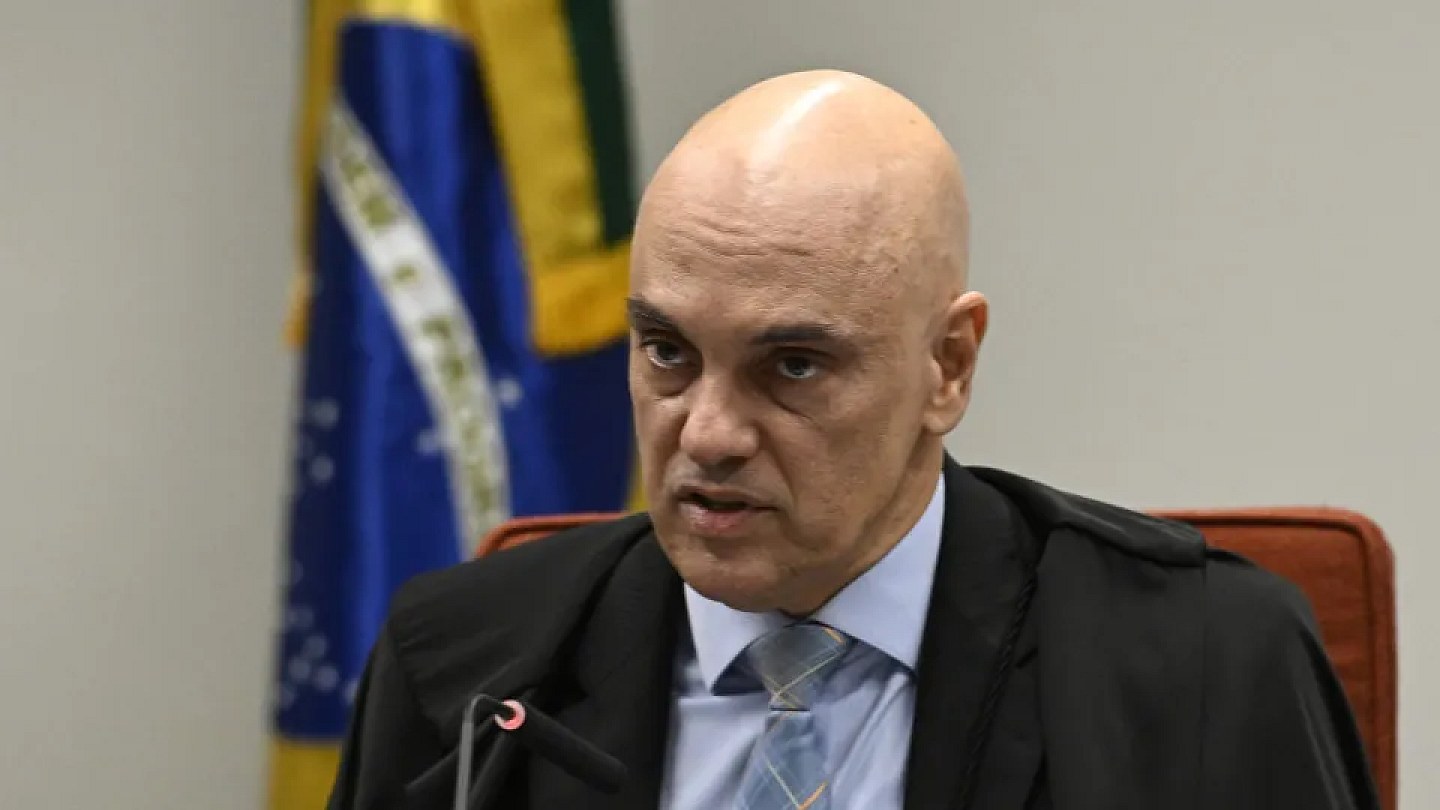
The decision represents a rare divergence in relation to the understanding of Minister Alexandre de Moraes, rapporteur of the investigations into the attacks on the headquarters of the Three Powers. Although the judgment does not change the sentences already imposed, it establishes an understanding that can be used by those convicted to request the recalculation of the remaining time of their sentences.
The trial concluded this Thursday, 6th, in a session held in the Court's virtual plenary, a modality in which ministers cast their votes electronically, without face-to-face debates.
The case analyzed originated from the appeal presented by the Federal Public Defender's Office (DPU) in favor of Simone Macedo, human resources manager arrested on January 9, 2023 during the demobilization of the camp installed in front of the Army Headquarters, in Brasília. There, protesters were contesting the result of the 2022 presidential elections and defending military intervention.
In May 2025, Simone was sentenced by the STF to one year in prison for the crime of criminal association. As the sentence was lower than the limit established by law, the custodial sanction was replaced by alternative measures, including 225 hours of community service and mandatory participation in a course on democracy promoted by the Federal Public Ministry (MPF).
After the conviction became final, the defense requested that the so-called criminal detraction be applied, a mechanism that allows the period in which the convicted person remained deprived of liberty before the final sentence to be deducted from serving the sentence.
Alexandre de Moraes only recognized the time that Simone was in preventive detention, between January 9 and March 8, 2023, totaling 59 days. The minister, however, rejected the request to also consider the months in which she was subject to the use of an electronic ankle bracelet and nighttime home confinement.
When appealing to the plenary, the DPU maintained that these measures also imposed severe restrictions on the defendant's freedom and, therefore, should produce effects similar to those of imprisonment for the purposes of criminal execution.
The Attorney General of the Republic, Paulo Gonet, took a stand against the appeal. But this thesis was accepted by the majority of the Court. Ministers Cristiano Zanin, André Mendonça, Edson Fachin, Cármen Lúcia, Luiz Fux and Gilmar Mendes followed this understanding. Nunes Marques, Dias Toffoli and Flávio Dino followed Moraes' understanding.
Source: Noticias ao Minuto
Next recommended read
This story was originally published by Noticias ao Minuto. Visit the original publication for further details.
Open original publication

