The Ebola epidemic in the Democratic Republic of Congo continues to advance at a rapid pace and has already caused 1,751 deaths among 3,874 confirmed cases. The figures were released by the Congolese Ministry of Health and show that the outbreak, declared on May 15, became the second largest ever recorded in the world.
Ebola advances in the Democratic Republic of Congo and already leaves 1,751 dead
The Ebola epidemic in the Democratic Republic of Congo continues to advance at a rapid pace and has already caused 1,751 deaths among 3,874 confirmed cases. The figures were released by the Congolese Ministry of Health...
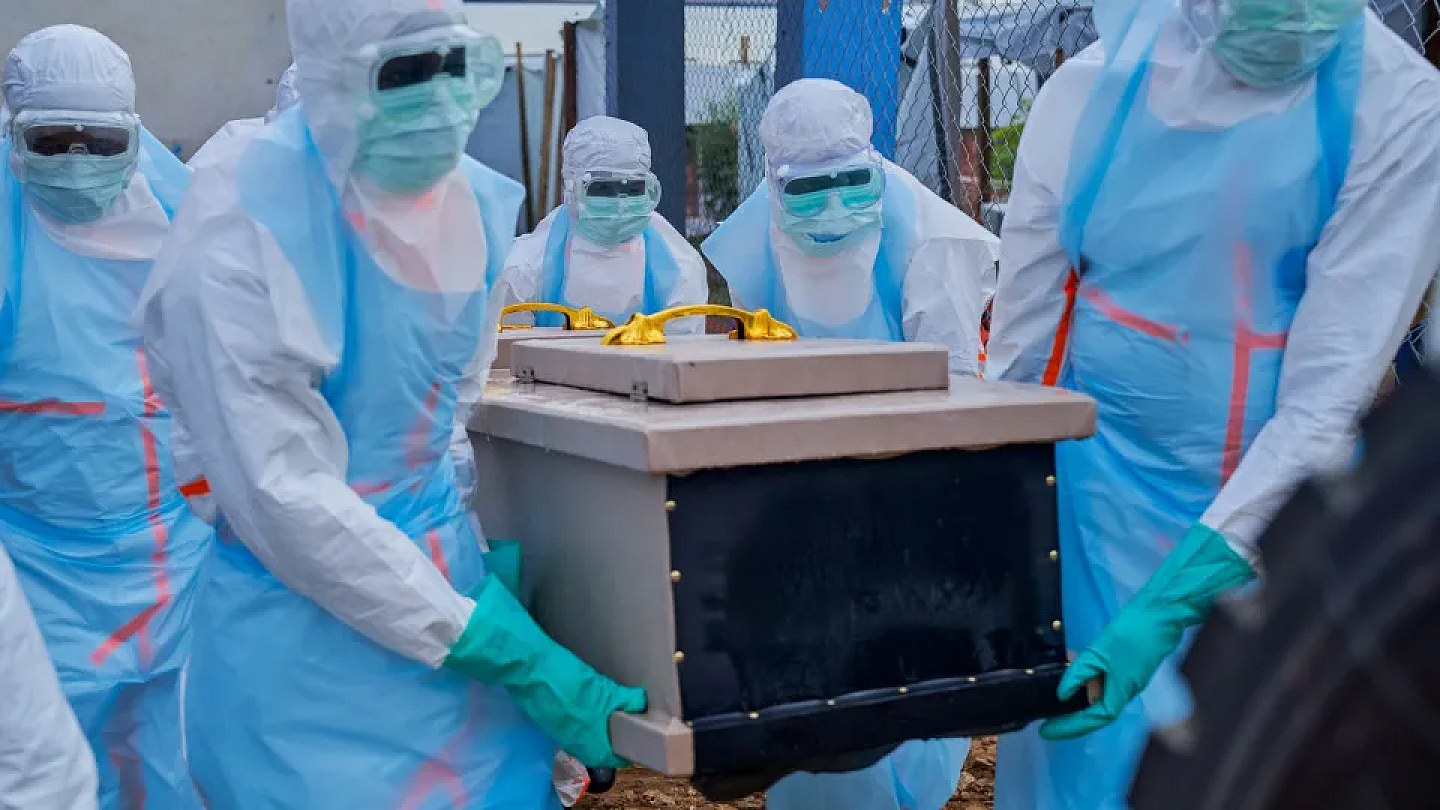
In some of the worst-affected areas, the number of new infections is doubling. The assessment was made by the director general of the World Health Organization, Tedros Adhanom Ghebreyesus, after meetings with government representatives in Kinshasa.
Why is the Ebola outbreak advancing so quickly?
The current epidemic is caused by the Bundibugyo virus, a variant for which there is still no approved vaccine or specific treatment. The delay in identifying the first cases allowed the disease to circulate for weeks before the official outbreak was declared.
The advance is also favored by the difficulties in tracking people who have had contact with infected patients. According to African health authorities, between 60% and 70% of new cases are being found outside the groups that were already monitored. More recent estimates indicate that this proportion could reach 80%.
Late detection contributes to the fatality rate of approximately 45%. Many patients arrive at health units when the disease is already at an advanced stage.
WHO calls for urgent expansion of response
Tedros stated that the fight against the epidemic needs to be expanded immediately and involve the government, international organizations, health professionals and residents of the affected regions.
“We all agree that it is necessary to urgently and massively increase all our efforts on all fronts of the response and with the participation of all partners”, wrote the WHO director-general.
He also advocated greater coordination under the leadership of the Congolese government, protection for medical teams and access to the most isolated communities.
“Above all, communities must be at the center of the response and take their lead,” he declared.
Ituri concentrates the highest number of cases
The province of Ituri, in the east of the country, remains the main focus of the epidemic. The region is close to the borders with Uganda, South Sudan and Rwanda and has suffered for years from armed conflicts, population displacement and difficulties in accessing health services.
Insecurity limits the movement of medical teams and hampers the transport of patients, medicines and equipment. Attacks on health facilities have also temporarily disrupted the work of humanitarian organizations.
Professional strike worsens service
Families in affected areas reported that some of the professionals working on the front line went on strike due to lack of pay and working conditions.
Some employees began to receive back payments for services provided since the start of the epidemic, but continue to demand higher salaries and protection guarantees.
The shutdown worsens access to care in a region where hospitals and treatment centers are already facing a lack of professionals, beds and materials.
United States announces aid of US$ 242 million
The United States government announced a new contribution of US$242 million to finance the immediate fight against Ebola, prepare countries in the region and expand humanitarian assistance.
With the new amount, American support for the epidemic and humanitarian needs related to the outbreak exceeds US$512 million.
The resources should be used in actions such as expanding treatment centers, epidemiological surveillance, contact tracing, training professionals and protecting the most vulnerable communities.
Is there a vaccine against the Bundibugyo virus?
There is still no licensed vaccine against the variant responsible for the current outbreak. There is also no specific approved treatment, although supportive care started quickly can increase the chances of survival.
Experimental vaccines have begun to be tested on humans in the United Kingdom and Canada. Moderna has begun an initial study with about 80 volunteers to evaluate the safety and immune response of a messenger RNA vaccine against the Bundibugyo virus.
The WHO is also monitoring tests of experimental therapies and evaluating whether vaccines developed for other Ebola variants can offer some level of protection.
Outbreak is the second largest in history
The current epidemic has already surpassed all previous outbreaks in terms of propagation speed. In terms of number of cases, it is second only to the crisis recorded in West Africa between 2014 and 2016.
In that epidemic, more than 28,000 people were infected and more than 11,000 died, mainly in Guinea, Sierra Leone and Liberia.
The WHO considers the risk of global spread to be low, but warns that the outbreak remains critical in the Democratic Republic of Congo and could spread to neighboring countries if control measures are not reinforced.
Source: Noticias ao Minuto
Next recommended read
This story was originally published by Noticias ao Minuto. Visit the original publication for further details.
Open original publication