RIO DE JANEIRO, RJ (FOLHAPRESS) - The suspension of Russian diesel exports and the resumption of the conflict between the United States and Iran should put pressure on fuel prices in the country again after consecutive weeks of decline, sector executives say.
Disappearance of Russian diesel and resumption of war in Iran put pressure on prices in Brazil
RIO DE JANEIRO, RJ (FOLHAPRESS) - The suspension of Russian diesel exports and the resumption of the conflict between the United States and Iran should put pressure on fuel prices in the country again after consecutive...
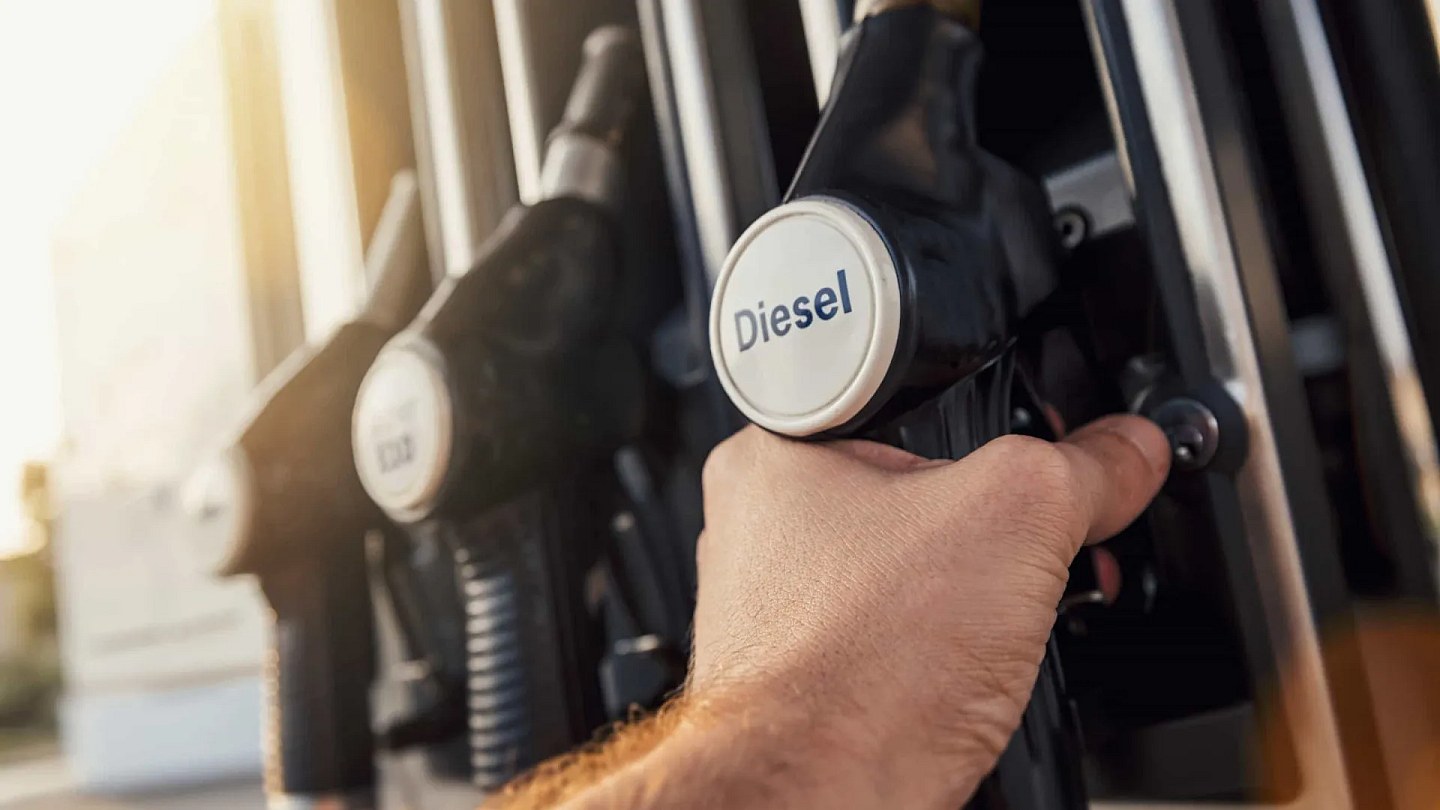

The pressure occurs on the eve of the period of greatest diesel consumption in Brazil, with the demand for the grain harvest and the production of goods for Christmas. The suspension ordered by Vladimir Putin is temporary, but the market fears longer-lasting effects.
According to data from Mdic (Ministry of Development, Industry and Commerce), Russia remained Brazil's largest diesel supplier in the first half of the year, but lost market share to the United States at the end of the period.
Importers' choice of Russian products helped keep the price at the pump lower: on average in the first half of the year, according to Mdic, each kilogram of Russian diesel imported by Brazil cost US$0.03 (R$0.15) less than American diesel.
Official data for July has not yet been released, but Abicom (Brazilian Association of Fuel Importers) estimates that Russian imports represented just 13% of Brazilian purchases, with the United States taking the lead, with 82%.
For August, projections indicate that, so far, only 10% of the diesel purchased by Brazilian importers comes from Russia, with suppliers from the Middle East competing for supply leadership with the United States.
The president of Abicom, Sérgio Araújo, says that the volume purchased for August is still small and the data may change, but that there is currently no supply of diesel from Russia. "Purchases are being made in the Gulf at a slightly higher price", he states.
"Russian diesel no longer exists. It is banned," says Ramon Reis, from importer Nimofast, which has grown in recent years importing fuel from Russia. "We are seeing new sources, but today there is no arbitration, not even with subsidies."
He refers to the lack of competitiveness of imports after the resumption of the war in Iran and the consequent rise in international oil prices, which rose by more than 10% in the first days after the attacks resumed.
The increase began shortly after the withdrawal of part of the subsidy given by the federal government to fuel. At the opening of the market this Wednesday (15), the average price of diesel in the country cost R$ 1.81 per liter less than the import parity measured by Abicom.
At Petrobras, the difference was greater: R$ 2.02 per liter. Producers and importers are entitled to a subsidy of R$1.12 per liter, which only partially compensates for the loss.
The main beneficiary of government subsidies, the state-owned company reduced the price of diesel in its refineries when the subsidy was removed at the end of June, to avoid the government decision's impact on pumps. The largest private refiner in the country, Acelen followed the state-owned company days later.
Neither of them has yet decided to follow the recent rise in oil prices. When contacted, the companies have not yet responded to the interview request.
At the pump, the price of diesel has been falling for 13 consecutive weeks, according to the ANP (National Agency for Petroleum, Gas and Biofuels). Last week, a liter of S-10 diesel was sold, on average, at R$6.97 per liter, down from R$7 for the first time in four months.
Read Also: Iran says it has no plans to negotiate peace with the US at this time
Source:
Noticias ao Minuto - Ultima Hora