NICOLA PAMPLONARIO DE JANEIRO, RJ (FOLHAPRESS) - In Porto Sudeste, in Rio de Janeiro, the area initially reserved for a pier for iron ore is beginning to give way to a facility for transshipment of oil between ships, which will expand Brazil's capacity to export the commodity, today the main product of the country's trade balance.
Brazilian ports expand capacity to export pre-salt oil, which breaks production records
NICOLA PAMPLONARIO DE JANEIRO, RJ (FOLHAPRESS) - In Porto Sudeste, in Rio de Janeiro, the area initially reserved for a pier for iron ore is beginning to give way to a facility for transshipment of oil between ships,...
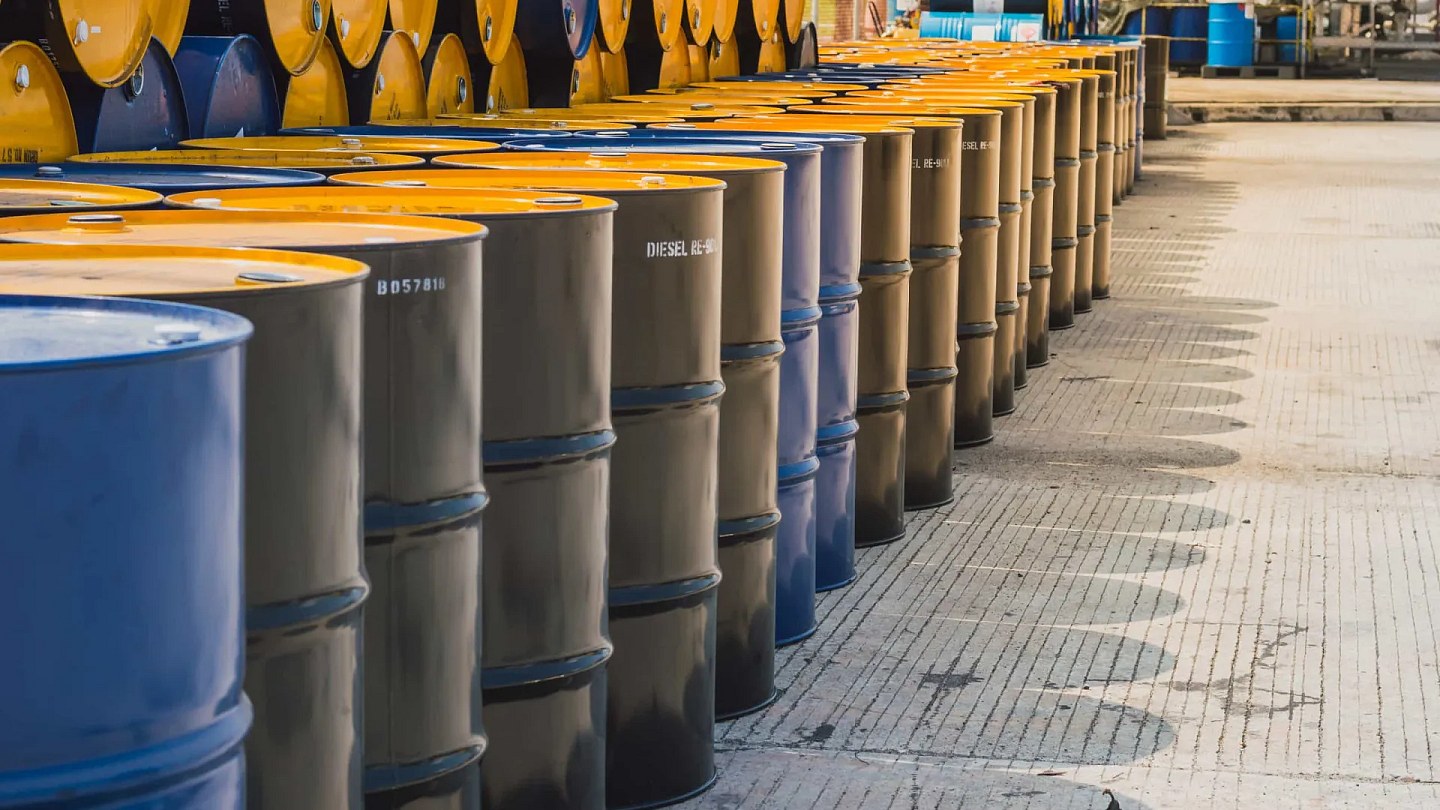
The investment of R$180 million was approved in 2023, given the prospects for growth in pre-salt production. It is not the only one: the port of Açu and Petrobras itself have plans to expand their oil terminals.
"By the end of the decade, Brazilian oil production will reach 5 million barrels per day", says the CEO of Porto Sudeste, Jayme Nicolato. "We are in a sheltered area, with an emergency center next door, and we can very safely offer the transfer of oil [between ships]."
Known as ship-to-ship, this type of operation is necessary because the vessels that remove oil from pre-salt platforms, hundreds of kilometers from the coast, are too expensive to make long-distance trips to Europe or Asia.
They have a technology called dynamic positioning, which allows them to stay in the same position while pulling oil from the platforms, regardless of weather conditions.
To return to platforms more quickly, these ships transfer production to common oil tankers in port terminals or even on the high seas. In 2025, the main suppliers of this service recorded records, following the growth in oil production.
Transpetro, Petrobras' transport subsidiary, moved 700,000 barrels per day in ship-to-ship operations, an increase of 18% compared to the previous year. Vast, at the port of Açu, handled an average of 600 thousand barrels per day, an increase of 19%.
The prospects, as Nicolato said, are for growth. In the first months of 2026, pre-salt production has been breaking successive records. As a consequence, Brazilian oil exports are also at high levels.
Created by businessman Eike Batista to move iron ore that would be produced by group X in Minas Gerais, Porto Sudeste decided to review the strategy. It maintains the movement of ore on the already built pier, with capacity for 50 million tons per year.
But the second pier of the project, of the same size, will no longer come to fruition. "The port was designed for 100 million tons. It will reach the objective, but with 50 million tons of solid bulk and 50 million of liquid bulk", says the executive.
The port has already been carrying out transshipment operations at the pier, when there are windows in contracts with mining companies. In 2024, there were 19 and, so far this year, 12. When the structure for docking ships, known as dolphin, is ready, the capacity will be 144 operations per year.
The largest private operator in the country, Vast carried out 229 transshipment operations in 2025. This year, the company began an expansion project, which will increase its handling capacity from 1.2 million to 1.8 million barrels per day.
Located in the municipality of São João da Barra (RJ) -and also designed by Eike Batista-, the terminal is today the only one in the country with the capacity to receive VLCC type ships, the supertankers, with the capacity to transport 2 million barrels of oil.
The expansion project involves preparing the third berth, currently restricted to ships with 1 million barrels of capacity, to accommodate the VLCCs. It also foresees investments in tanking to offer oil storage services to oil companies.
Porto Sudeste even receives VLCCs, but they cannot leave Sepetiba Bay with full tanks, which would require dredging the channel. The Imetame port project in Aracruz (ES) also expects to attract supertankers.
Called Porto Logística, the R$2.5 billion venture recently signed a partnership with HGT (Hanseatic Global Terminals), the container arm of the German multinational Hapag-Lloyd, and also sees oil as a growth platform, with a berth for ship-to-ship operations.
Petrobras is another that has expansion plans: it is once again trying to get the expansion of Tebig (Ilha Grande Bay Terminal) off the ground, a project that has been the target of resistance from environmentalists and traditional communities that was already vetoed by the Rio de Janeiro government in 2012.
The company began holding public meetings with communities close to the terminal, in a stage prior to the licensing application to Ibama (Brazilian Institute for the Environment and Renewable Natural Resources).
The size of the expansion will depend on these conversations with society, says Transpetro's director of pipelines and terminals, Márcio Guimarães. But the idea is to build at least one dolphin to increase docking capacity, in a different design than in 2012.
Guimarães states that, in addition to the demand for export, the terminal is currently relevant in receiving oil for the Duque de Caxias (RJ) and Betim (MG) refineries and water that leaves oil wells for treatment - two segments that also tend to grow.
"The infrastructure has to follow the increase in production, we cannot stand still", says the executive. "And investment in infrastructure takes time to be made, we can't just think about when production arrives."
Read Also: Casas Bahia approves capital increase of R$ 140.6 million
Source: Noticias ao Minuto - Ultima Hora
This story was originally published by Noticias ao Minuto - Ultima Hora. Visit the original publication for further details.
Open original publication

