(FOLHAPRESS) - The 0.25 percentage point cut in the Selic was already a consensus in the market, but the statement from the Copom (Monetary Policy Committee) avoided indicating what the next step in monetary policy will be. In the opinion of economists, the Central Bank preferred to preserve flexibility and leave open both new cuts and a possible pause in the cycle.
BC preserves flexibility by avoiding signaling the direction of interest rates, analysts say
(FOLHAPRESS) - The 0.25 percentage point cut in the Selic was already a consensus in the market, but the statement from the Copom (Monetary Policy Committee) avoided indicating what the next step in monetary policy will...
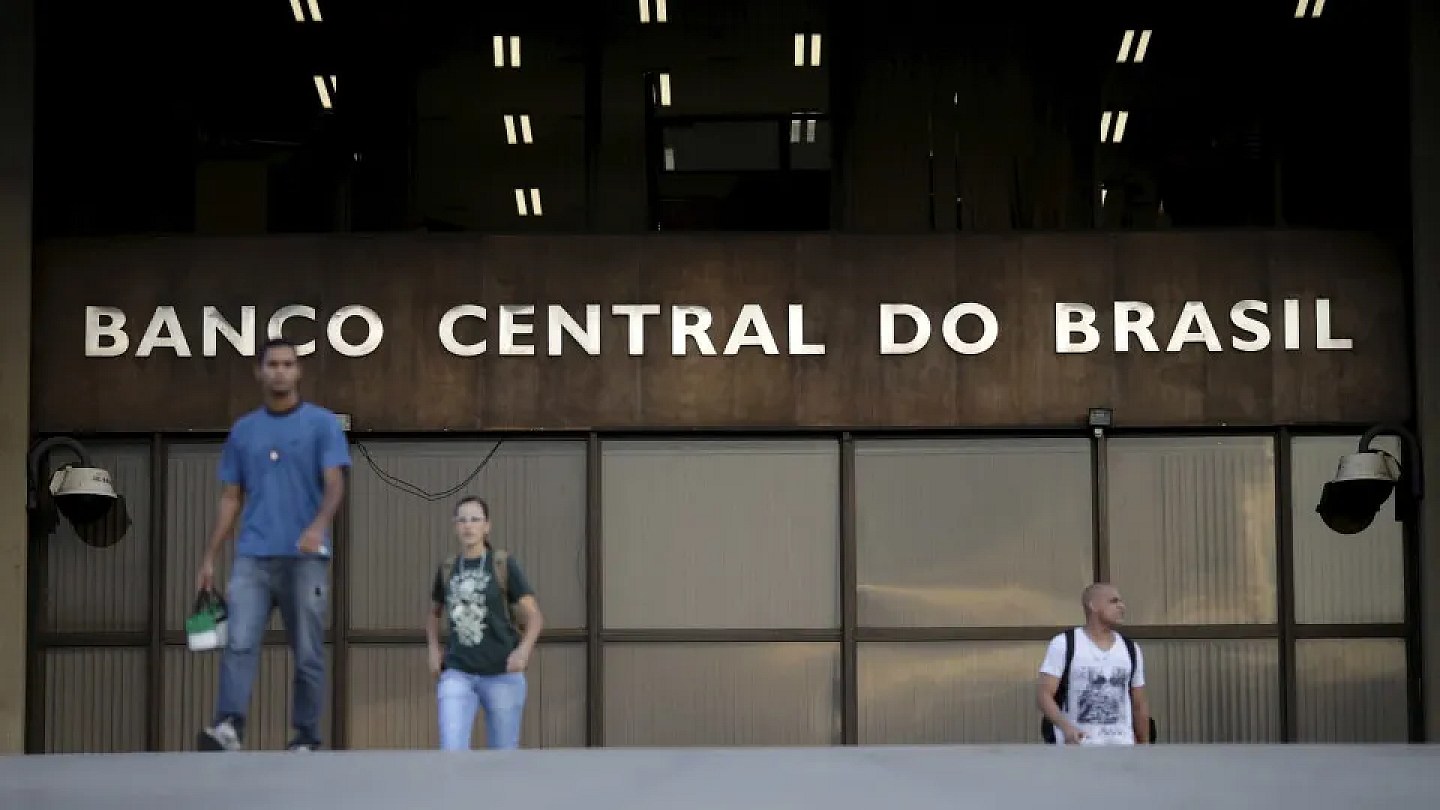
The BC board reduced the base rate this Wednesday (5) for the fourth consecutive meeting. More streamlined than the previous one, the statement released after the meeting is the shortest since March and avoided offering signs about whether or not the cycle of cuts would continue.
According to economist Sergio Vale, from MB Associados, the text raises reasons both to end the cycle of cuts and to continue with new reductions.
"The reading is for all tastes. There are arguments to justify that they will stop cutting and there are arguments to continue cutting. They didn't want to close the doors [to any future decision]", he says. Felipe Salles, chief economist at C6 Bank, is in the same line.
"Why isn't the next step signaled? Because we don't know. We still need to have more information to decide on the spot. The statement needs to be understood within a strategy of slow cuts", he states.
Rodolfo Margato, economist at XP, highlights changes in the characterization of the economic activity and inflation scenario.
In the previous statement, the committee had emphasized the acceleration of indicators, and this time, it recognized a moderation in activity, some signs of loss of traction, albeit with differences between sectors and amidst the heated job market.
The directors did not give any guidance about the future, says Adriana Dupita, from Bloomberg.
"The only comment they made about the future was that they will adjust policy to keep it 'adequately restrictive', to ensure inflation converges to the target," he says.
Helena Veronese, chief economist at B. Side Investimentos, agrees with the assessments.
"The Copom leaves its flexibility preserved, without necessarily promising new cuts or pauses, leaving the door open for continuity in the movement that they themselves have been calling 'calibration' of interest rates," he said.
This Wednesday's decision (5) should take effect until the beginning of 2028 - in economists' jargon, the period of influence of an interest rate level is called the relevant horizon.
The Copom publishes two documents relating to decisions on the Selic: a statement, released immediately, and, after a week, the minutes of the meeting.
In the last decision, in June, the statement was considered confusing because the text stated that there was an inflationary shock linked to the supply of oil, but, even so, the decision was to cut the basic rate. The following day, the dollar rose.
Days later, the president of the Central Bank himself, Gabriel Galípolo, stated that the Copom could have made a mistake by trying to "explain too much".
The Copom's decision was already expected by the financial market: the 30 institutions consulted by Bloomberg before this week's Copom meeting predicted the measure.
"The 0.25 point cut was a consensus because the interest rate is still very high and restrictive," says Alex Agostini, chief economist at Austin Ratings. Therefore, he says, managers, risk agencies, consultancies and other institutions that monitor basic interest rate decisions were almost unanimous in saying that this would be the choice of the committee's directors.
Copom reduces the Selic rate to 14% per year
Committee released a decision, which was already expected by the financial market, this Wednesday (5); financial market also projects a fall for the next meeting
In March of this year, Selic was at 15% per year. This week's Copom meeting was the fourth since then, and in all four there were reductions of 0.25 percentage points.
Economist Roberto Troster states that there was even some division among market agents, which ended after the release of the latest data on inflation - the IPCA (Broad National Consumer Price Index) in June was 0.16% (in May, it had been 0.58%).
Inflation measured by IPCA-15 slowed to 0.06% in July, after reaching 0.41% in June.
Defaults are breaking records, which shows that the monetary tightening was too strong, according to Troster. He also says the weaker dollar helps inflation. The economist considers that the biggest risk is an exogenous price shock with El Niño.
This is an atypical warming of waters in the equatorial region of the Pacific Ocean that causes changes in the Brazilian climate. There are implications for both food production and hydroelectric power generation.
Source: Noticias ao Minuto
Next recommended read
This story was originally published by Noticias ao Minuto. Visit the original publication for further details.
Open original publication