Bleach is one of the most used cleaning products due to its high disinfecting power. However, there are some places in the house where using this product can cause more harm than good, according to a report from Southern Living.
Attention! These areas of the house should not be cleaned with bleach.
Bleach is one of the most used cleaning products due to its high disinfecting power. However, there are some places in the house where using this product can cause more harm than good, according to a report from...
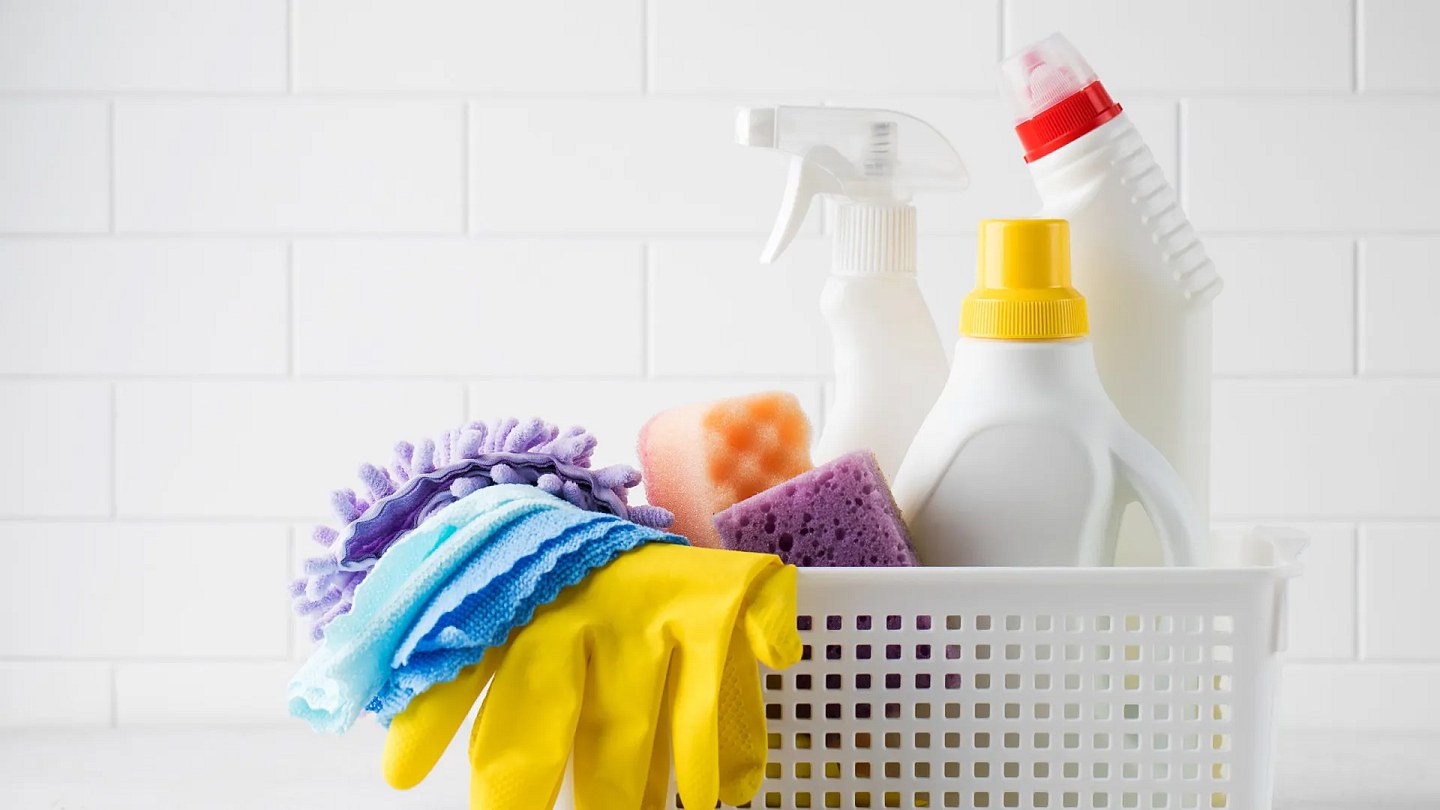
“People should be careful when using bleach on certain surfaces or areas of the home, as it can be corrosive, cause discoloration, damage materials, release toxic vapors and compromise the durability of some surfaces,” warns Armeka Townsend, cleaning specialist.
According to Marla Mock, president of Molly Maid, “in most situations there are alternatives to chlorine that are more natural and less aggressive for home use.”
Places in the house where you shouldn't use bleach
1. Stone countertops and surfaces
Stone surfaces, such as marble, granite and quartz, are porous.
“Bleach can damage the sealant on these surfaces, as well as making them opaque or even changing the color of the stone”, explains Tonya Harris, author of the book The Slightly Greener Method.
2. Stainless steel and other metals
If you want to disinfect stainless steel pots and pans, avoid using bleach. The product can damage utensils and reduce their useful life.
“Chlorine can oxidize and corrode metals, causing surface rust,” says Harris.
In addition to corrosion, rust also causes stains and discoloration.
“Bleach can corrode and damage stainless steel, leaving it dull and compromising its structural integrity,” adds Townsend.
3. Wood
Bleach and wood don't mix.
“The porous nature of wood causes it to absorb bleach, making it impossible to safely remove or rinse,” explains Mehas.
“In addition to continuing to degrade the wood over time, this can also pose a risk to the hands, feet and even paws of pets.”
4. Colored fabrics and painted surfaces
Anyone who has ever accidentally spilled bleach on a colored t-shirt knows how much it bleaches fabrics.
In these cases, a safer alternative is to use active oxygen-based products, which help remove stains without causing discoloration.
5. Areas where children and pets play
As it is a strong chemical product, bleach must be used with great care in places frequented by children and animals.
“Children and pets are more likely to accidentally ingest bleach by touching toys or surfaces where the product has been applied, or even by licking their paws after walking on floors that have been cleaned with it.”
Tips for using bleach safely at home
Bleach is one of the most effective products for disinfecting environments, but it should always be used diluted in water. A proportion considered safe is one cup of bleach for every 4 liters of water.
Furthermore, never use the product without protective equipment.
“Wear gloves and, if possible, a mask to avoid contact with the skin and reduce the risk of inhaling irritating vapors, which can cause burns to the mucous membranes of the nose, mouth and respiratory tract”, advises Mehas.
Read Also: Neurologist warns of initial symptom of migraine (and it's not pain)
Source: Noticias ao Minuto - Ultima Hora
This story was originally published by Noticias ao Minuto - Ultima Hora. Visit the original publication for further details.
Open original publication

