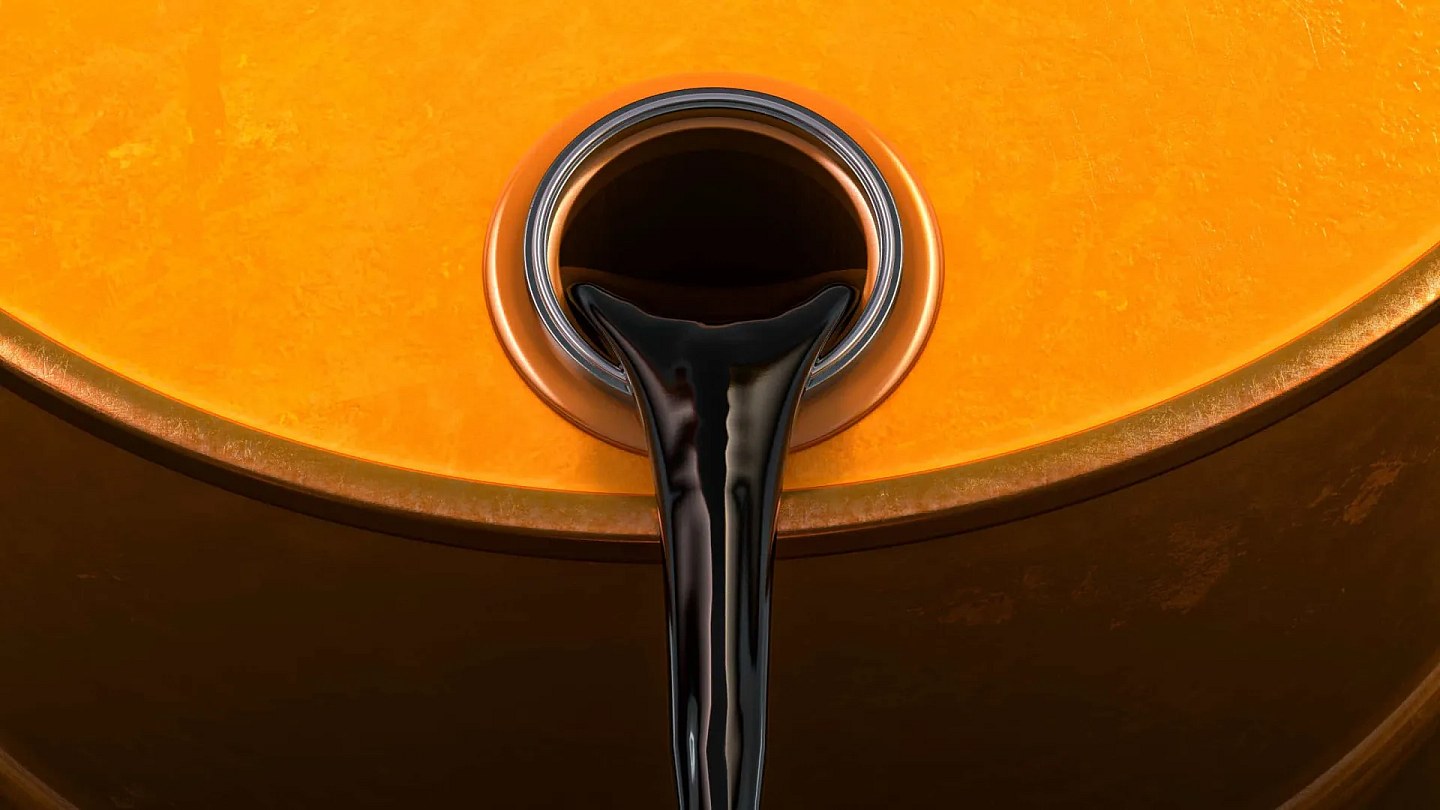
For another two months, exports of crude oil and bituminous minerals (rocks and substances rich in hydrocarbons) will continue to be taxed. The Executive Management Committee of the Chamber of Foreign Commerce (Gecex-Camex) decided, this Thursday (9), to maintain the Export Tax rate on these products at 12%.
12% tax on oil exports is extended for 60 days
For another two months, exports of crude oil and bituminous minerals (rocks and substances rich in hydrocarbons) will continue to be taxed. The Executive Management Committee of the Chamber of Foreign Commerce...
Announced by the Ministry of Development, Industry, Commerce and Services (Mdic), the measure will be valid for up to 60 days and will be reevaluated after 30 days, given the evolution of the international scenario.
According to the government, the decision was motivated by the deterioration of the geopolitical situation in the Middle East, especially after the resumption of tensions between the United States and Iran and the new episodes of instability in the Strait of Hormuz.
Temporary measure
In a note, the Mdic informed that maintaining the rate seeks to preserve the supply of the domestic fuel market and guarantee raw materials for the national refining park.
According to the ministry, the decision "seeks the continuity of adequate refining conditions in the country, in order to protect the domestic market from possible fuel shortages."
The ministry added that the measure was adopted "in light of recent changes in external conditions, especially following the deterioration of the geopolitical environment in the Middle East, with new episodes of tension in the Strait of Hormuz."
Context
The tax on oil exports was created through a provisional measure (MP) issued in March to compensate for the reduction in federal taxes on diesel, adopted by the government to mitigate the impacts of the international fuel increase caused by the conflict in the Middle East.
The provisional measure expires this Thursday. As it is a regulatory tax, Gecex was able to maintain the rate by administrative decision, without the need for approval from the National Congress.
Initially, the economic team intended to gradually reduce the charge until the tax was zero, if the international price of oil remained at a lower level.
War changes scenario The strategy, however, was revised after the resumption of clashes between the United States and Iran, which once again put pressure on international commodity prices.
In recent days, a barrel of Brent oil has once again approached the US$80 mark, reflecting market concerns about possible interruptions in global supply, given tensions in the Strait of Hormuz, the route through which around 20% of the oil traded in the world passes.
Reevaluation
This Thursday morning, the Minister of Finance, Dario Durigan, stated that the government is also reevaluating the schedule for removing subsidies related to fuels.
According to the minister, the change in the international scenario requires caution before any new change in the policy adopted for the sector.
The maintenance of the 12% rate will be reevaluated by Gecex within 30 days, considering the evolution of the conflict in the Middle East and its effects on the international oil and fuel market.
Read Also: Brazil has the highest dollar inflow in the 1st half since 2018
Source: Noticias ao Minuto - Ultima Hora
This story was originally published by Noticias ao Minuto - Ultima Hora. Visit the original publication for further details.
Open original publication