Amazon is closer to launching its own satellite internet service, in an attempt to compete for space with SpaceX's Starlink.
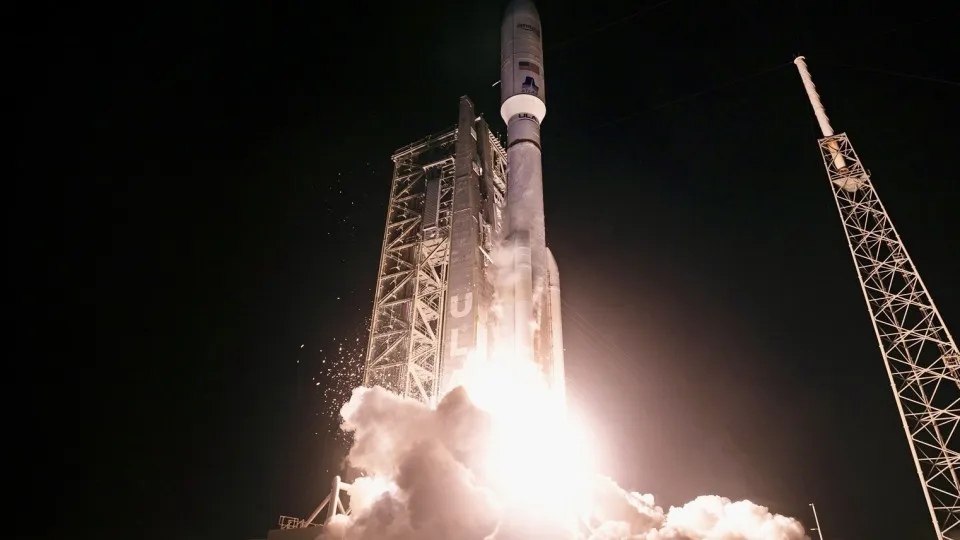
The company founded by Jeff Bezos has been expanding its constellation of satellites in Earth's orbit and, after the launch of another 29 pieces of equipment this Thursday (2), the Amazon Leo project now has more than 390 satellites in operation.
According to Chris Weber, executive responsible for the division, this number is already enough to allow the initial activation of the service in some latitudes.
“There is still a lot of work to do, including getting all of these new satellites to the right altitudes, but we have completed enough launches for this year's initial service, and future missions will add coverage and capacity,” Weber wrote on the X social network.
According to Reuters, Amazon intends to put more than 3,200 satellites into orbit to provide global internet coverage. Even so, Amazon's constellation will be well below Starlink, which already has more than 10,000 satellites around the Earth.
Amazon Leo is expected to be officially launched by the end of 2026. Initially, the service should only be available in some regions.
Last few launches were big for @AmazonLeo - bringing us to 390+ satellites deployed, enough to support continuous service across initial latitudes. Still lots of work ahead – including raising all these new satellites to their assigned altitude – but we’ve completed enough… pic.twitter.com/UZb404fXRq
17.7 million do not use the internet and 19.1 million do not have a cell phone in Brazil: who are these people?
The information is part of the Continuous Pnad (Continuous National Household Sample Survey), which indicates advances in the network and mobile phones over the last decade