Despite recent tensions with the United States, Lula, in his speech, separated the figure of American President Donald Trump, stating that the relationship with his American counterpart is one of “great respect”.
Lula blames Rubio for trade conflict with the US: "Hates Brazil"
Despite recent tensions with the United States, Lula, in his speech, separated the figure of American President Donald Trump, stating that the relationship with his American counterpart is one of “great respect”. Lula...
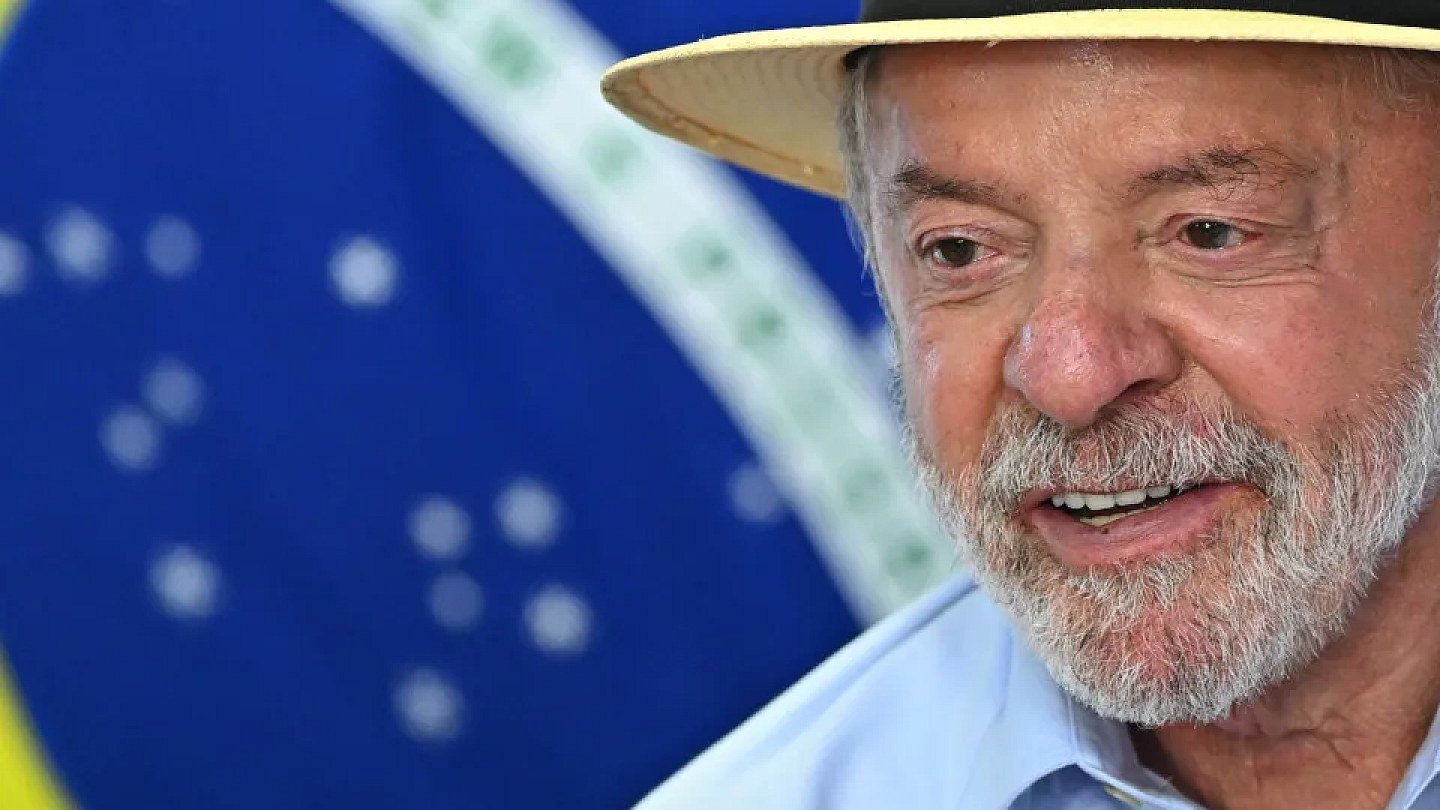
Lula cited a recent conversation with Trump, in which he insisted that, as presidents of the continent's two largest democracies, they must “transmit a certain harmony to the world”, instead of being based on “misinformation”.
The Brazilian president preferred, on the other hand, to direct his criticisms at the State Department and the American Secretary of State, Marco Rubio, describing him as a “bolsonarista” who “does not like Brazil and Latin America”.
According to the Brazilian leader, Rubio is “an anti-Latin American, or a frustrated Latin American” who “does things differently” than what was agreed with Trump. Lula also stated that Rubio “hates Cuba, hates Colombia and hates Brazil” because he is “a descendant of Cubans from Miami.”
During an event in which the Brazilian government celebrated a 37% reduction in deforestation alerts in the Amazon in the period 2025-2026, the head of state stated that the argument used by the United States to impose tariffs on Brazil “is not true” and said he doubts that there is “in the world” a country that takes the climate issue more seriously than Brazil.
"Nobody, not even the United States, takes the climate issue as seriously as Brazil. Nobody. I've seen him [Trump] at the UN saying that he doesn't believe in the climate issue and that it's all a lie," declared Lula.
The White House and the Planalto Palace have been experiencing a period of diplomatic tension since last year, when Trump announced the imposition of the first tariffs on Brazilian products.
Since July 22, the United States has imposed an additional tariff of 25% on a large part of imports from Brazil, as a sanction for different commercial practices considered unfair by the American government and which affect its exports to the South American country.
Among the practices cited are the Brazilian instant payments system, Pix, the application of anti-corruption standards, intellectual property protection laws, access to the ethanol market and the supposed tolerance of illegal deforestation.
Trump, however, exempted around 2,100 Brazilian products from tariffs, such as meat, some types of fish, coffee, oil, rare earths and works of art, considered essential to avoid impacts on the American domestic market.
In this sense, the Brazilian president regretted this Friday having learned about the new “tariff increase” through the press and stated that he will send Trump graphics demonstrating the record drop in deforestation in the Amazon to contest the environmental justifications presented for the tariffs.
This month, the Brazilian government also repudiated the US State Department's revocation of its ambassador's visa in Washington, classifying the measure as ideological retaliation and an attempt to interfere in the upcoming Brazilian elections.
The decision came in response to Brasília's delay in approving the new ambassador appointed by Donald Trump and the refusal of visas for United States diplomats, given the alleged possibility of interference in the Brazilian presidential elections in October.
Last month, the United States also decided to extend the state of emergency in relation to Brazil for a year, classifying the Brazilian government as an “unusual and extraordinary” threat to national security, foreign policy and the American economy.
Washington also recently classified the South American country's two largest criminal factions, the Primeiro Comando da Capital (PCC) and the Comando Vermelho (CV), as global terrorist organizations.
Source: Noticias ao Minuto
Next recommended read
This story was originally published by Noticias ao Minuto. Visit the original publication for further details.
Open original publication

