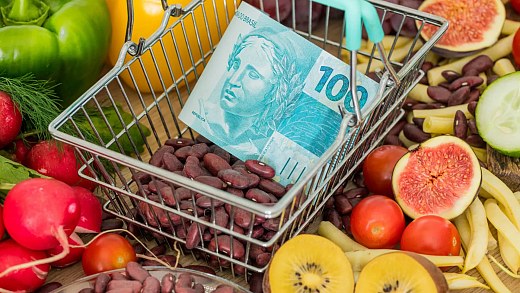
Tariff: USA confirms 25% charge on Brazilian products Agricultural sectors managed to include in the list of exemptions from Donald Trump's new tariff some products that were defended in a public hearing in the USA on the 6th and 7th of July, such as instant coffee, organic honey and fish. ?? Do you have any reporting suggestions? Send to g1 This Wednesday (15), the Office of the United States Trade Representative (USTR) confirmed the application of an additional 25% tariff on Brazilian products from July 22, with an extensive list of exempt items. Beef, for example, one of the products most exported by Brazil to the USA, entered the list of exceptions, despite being the target of criticism and investigations opened by the American president. One of them investigates whether Brazilian slaughterhouses that produce in the USA are concentrating the market and contributing to a spike in meat prices. See products that are excluded from pricing Animal products and meat Beef: fresh, chilled or frozen beef; carcasses; half carcasses; cuts with and without bone; high quality cuts; processed meats. Offals and preparations: tongues; livers; other beef offal; prepared or preserved meat, such as corned beef. Fish and crustaceans: tilapia (fresh, chilled or frozen, except fillets in some cases); yellowfin and bigeye tuna; mackerel; swordfish; lobster; sea ??crayfish. Other products of animal origin: certified organic natural honey; coral; shells. Vegetable products and prepared foods Vegetables and legumes: tomatoes (with specific entry periods); jicama; breadfruit; chayote; bamboo shoots; water chestnuts; capers; dried mushrooms (wood ear and shiitake). Roots and tubers: Bambara beans; cassava (cassava); tarot; yam (yautia); dasheens; arrowroot. Fruits and nuts: coconuts; Brazil nuts; cashew nuts; macadamia; kola nut; areca; pine nuts; bananas; pineapples; avocados; guavas; sleeves; mangosteens; oranges; limes; etrogs; papayas; quinces; kiwis; durians; berries. Coffee, tea and spices: coffee (roasted or not, decaffeinated or not); Green Tea; black tea; yerba mate; pepper; paprika; vanilla; cinnamon; clove; nutmeg; mace; cardamom; coriander; cumin; ginger; saffron; turmeric; laurel; curry; dill. Cereals, milling and beverages: barley; birdseed; fonio; triticale; starches; flours; orange juice; citrus juices; pineapple juice; Coconut Water. Minerals, chemicals and fuels Ores and minerals: graphite; kaolin; phosphates; barium sulfate; magnesite; asbestos; mica; ores of iron, copper, nickel, cobalt, aluminum, zinc, tin, chromium, tungsten, uranium and titanium. Fuels and oils: coal; lignite; peat; coke; benzene; toluene; xylenes; naphthalene; crude and refined oil; engine oils and lubricants; biodiesel; natural gas; propane; butanes. Chemicals: iodine; rare gases; hydrochloric, sulfuric and phosphoric acids; metal oxides; hydrocarbons; halogenated derivatives; alcohols; phenols; ethers; ketones; carboxylic acids; vitamins; hormones; antibiotics (many classified as Pharma). Medical, pharmaceutical and fertilizer products Blood and vaccines: human plasma; fetal bovine serum; immunological products; human and veterinary vaccines; toxins. Medicines: products containing penicillins; insulin; corticosteroids; alkaloids; vitamins. Fertilizers: fertilizers of animal or vegetable origin; urea; ammonium sulfate; nitrates; superphosphates. Industrial materials Plastics and rubber: ethylene, propylene and vinyl polymers; silicones; tubes; hoses; tires (especially for aircraft); together. Wood and paper: raw or sawn wood (mahogany, teak and meranti); plywood; panels; wood pulps; aircraft paper products. Metals, machinery and equipment Metals: cast iron; ferroalloys; scrap; steel tubes; copper; nickel; aluminum; zinc; tin; rare metals. Machines: aircraft engines (turbojets and turboprops); pumps; compressors; fans; air conditioning devices; refrigerators; extinguishers. IT and electronics: computers and data processing units; notebooks; keyboards; disk drives; integrated circuits; monitors; projectors; smartphones. Aircraft, instruments and other products Aeronautics: balloons; helicopters; airplanes; drones; propellers; landing gears. Instruments: lenses; prisms; compasses; autopilots; thermometers; barometers; multimeters. Art and antiques: paintings; sculptures; stamps; collections of historical or botanical interest. Products that will be taxed Ethanol Agricultural machinery Clothing Electrical machinery Footwear Gardening tools Mining equipment Paper Organic sugar Capital goods Manufactured goods in general Miscellaneous chemical products Processed industrial items How the tariff decision was made The decision is the result of a USTR trade investigation that took a year, based on Section 301 of the Trade Act of 1974, a mechanism that allows the American government to investigate and combat possible trade barriers in other countries. In the process, Donald Trump's government claims that Brazil adopts practices that "encumber or restrict" trade with the USA, citing issues such as the PIX payment system, access to ethanol trade, illegal deforestation and piracy. (read more below) Even with the accusations, items such as oil, coffee, beef, aircraft and cellulose were excluded from the new charges. The list includes products considered sensitive for the American economy, either due to the potential impact on prices or the lack of sufficient domestic production. On Brazil's side, most of the most important products on the export list will not be taxed under the new measure. US President Donald Trump reacts while speaking to the press on the day of the NATO leaders' summit in Ankara, Turkey, on July 8, 2026 REUTERS/Umit Bektas The investigation was closed by the trade body after analyzes and negotiations between the Lula (PT) and Trump governments. Representatives from different sectors of the economy also participated through public hearings held this month, as part of the final stretch of the process. According to the USTR, the Trump administration tried to negotiate with Brazil over the last year, but was unsuccessful in overturning practices it considers unfair. (see the summary of complaints below) Members of the Brazilian government claim that three themes concentrated the main impasses in the negotiations: the PIX, the expansion of access for American ethanol to the Brazilian market and a proposal for a four-year moratorium to exempt digital platforms from paying taxes and fines. Heard by Valdo Cruz's blog before the publication of the decision by the USTR, interlocutors from the Lula government stated that these points presented by the Americans are considered non-negotiable by Brazil. The assessment is also that the application of the new tariff is a political decision. American authorities, in turn, deny that the reprisal is being used for this purpose. The American government says it only seeks to reverse trade practices that harm US competitiveness. Thus, they understand that the tariffs do not seek, for example, the end of PIX, but changes in the functioning of the system to avoid what Washington considers unfair conditions for American electronic payments companies. As g1 has already shown, experts point out that there are no consistent reasons to question the Brazilian instant payment system. When will the new rate come into effect? The 25% tariff will come into effect on July 22, but will not be applied to goods that have already left Brazil for the US. Despite the decision, the American government stated that the measure could be modified or suspended if Brazil eliminates the questioned practices. In a parallel process, conducted based on the same legislation, the Trump administration plans to apply an additional rate of 12.5% ??to 60 economies, including Brazil. The justification is that these nations did not adopt measures considered sufficient to prevent the circulation of products manufactured with forced labor. The adoption of this rate is still under analysis. How the investigation into tariffs against Brazil began The Office of the US Trade Representative concluded its investigation under Section 301 of the Trade Act in June. In the final report, the agency stated that some Brazilian policies would be "irrational" or "restrictive" and could harm US companies and exporters. And it also pointed out the following practices of the Brazilian government "encumber or restrict" trade with the USA: The investigation analyzed topics such as: PIX and payment services: the USTR states that the Brazilian system favors PIX to the detriment of American companies. Regulation of digital platforms: the body questions Brazilian court decisions involving social networks and US technology companies. Trade agreements: Americans criticize preferential tariffs granted by Brazil to partners such as Mexico and India. Illegal deforestation: the report highlights flaws in environmental inspection. Ethanol market: the USA alleges a lack of reciprocity in access to the Brazilian market. Intellectual property: the document cites problems in combating piracy and delays in analyzing patents. Fighting corruption: the USTR criticizes measures adopted by Brazil and cites decisions related to Operation Lava Jato. READ ALSO PIX, STF, social networks: understand the US criticism for proposing a 25% tariff US investigation against PIX exposes global dispute for control of digital payments At the same time, the US concluded an investigation into products manufactured with forced labor and included Brazil among the countries that, according to the American government, would not adequately monitor the entry of these goods. In this case, an additional surcharge of 12.5% ??was proposed. In the Brazilian government's assessment, the two measures can be applied cumulatively, leading to a total tariff of up to 37.5% on part of Brazilian exports to the USA. What is Section 301 Section 301 of the Trade Act of 1974 allows the U.S. government to investigate policies and practices of other countries that may harm American companies or exporters. ? The mechanism gives the Office of the US Trade Representative the power to investigate possible trade barriers and, if it concludes that they exist, recommend retaliatory measures, such as tariffs on imported products. The process involves investigation, technical analysis, public consultation and, only then, a decision on the application of the measures. The instrument has already been used in trade disputes, mainly against China, during Donald Trump's first administration. Section 301 differs from mechanisms such as Section 232, used with national security justification. While 232 targets risks to American industry, 301 focuses on practices considered unfair trade. Before that, Trump tried to impose tariffs on Brazil using the International Emergency Economic Powers Act (IEEPA), with a surcharge of up to 50% on Brazilian products. The measure was overturned by the US Supreme Court, which ruled that the law did not authorize the president to create import tariffs. Hearings brought together the Brazilian productive sector Senator Flávio Bolsonaro in a US hearing against tariffs Disclosure Before the final decision, the American government opened a public consultation to receive comments on the proposed tariffs. The schedule provided for registration for hearings by June 22nd, sending written contributions by July 1st and holding public hearings on July 6th and 7th. The demonstrations became part of the analysis that supported the final decision. The USTR hearings brought together representatives from industry, agribusiness and other Brazilian sectors who tried to avoid the application of the additional 25% tariff on products exported to the USA. The main argument was that the measure would increase costs not only for Brazilian companies, but also for American consumers and production chains. ? Among the main arguments presented were the integration of the economies of the two countries, the absence of unfair commercial practices and the risk of increased costs for US companies that depend on Brazilian products. (read the industry's arguments) Entities such as the National Confederation of Industry (CNI), the Federation of Industries of the State of São Paulo (Fiesp), the Brazilian Association of the Machinery and Equipment Industry (Abimaq), the Confederation of Agriculture and Livestock of Brazil (CNA) and representatives of the coffee, honey, fish and pig iron sectors defended negotiations instead of adopting new trade barriers. Senator Flávio Bolsonaro also participated in the hearing on his own initiative. In his speech, he stated that applying the tariffs at that time would be "the worst possible moment" and asked the US to postpone the measure to allow for new negotiations. His participation took place independently, without representing the Brazilian government, which sent observers to the meeting and maintained negotiations through diplomatic and technical channels. The Brazilian government's response The Brazilian government adopted a two-pronged strategy to try to avoid the application of the tariffs proposed by the US: Contesting the arguments presented by the USTR Keeping the negotiation channel with Washington open. In response to the investigation, Itamaraty stated that the American accusations do not prove that Brazilian policies harm United States companies or create barriers to trade. The government argues that issues such as PIX, the regulation of digital platforms and decisions by the Federal Supreme Court (STF) are related to the country's internal choices and cannot be used as a justification for commercial measures. In the document sent to the USTR, Brazil responded point by point to American criticism. Regarding PIX, he stated that the system is a public infrastructure open to national and foreign companies and cited the activities of American companies in the Brazilian market. In relation to social networks, he argued that judicial decisions follow Brazilian laws and apply equally to national and foreign companies. The government also argued that trade agreements signed by Brazil with other countries follow international rules, that policies to combat deforestation and corruption have been strengthened in recent years and that the country has inspection mechanisms against work similar to slavery. In addition to formal defense, Brazil sought coordination with companies and entities from both countries. The government identified demonstrations by American companies opposing the tariffs. As g1 showed, American companies that depend on Brazilian imports pressured Washington to remove products from Brazil from the surcharge list. ? In statements sent to the USTR, companies and entities from sectors such as construction, mining, flooring, education and housing stated that many Brazilian products do not have equivalent substitutes and warned that the measure would increase costs for US companies and consumers, without strengthening domestic production. Negotiations with the USA continued until the final decision Marco Rubio and Mauro Vieira after meeting on November 13, 2025 Reproduction/X After the hearings, the government began working with the possibility of the tariffs coming into force, but was still evaluating the chance of changes to the final text, such as expanding the list of products exempt from the surcharge. According to members of the government, President Luiz Inácio Lula da Silva (PT) defended that Brazil maintain negotiations until the end of the deadline, without accepting the justifications presented by the USA for imposing the tariffs. Now, the government intends to analyze the final list of affected products to define the next steps, including continuing negotiations or the possible adoption of measures provided for in the Economic Reciprocity Law, which allows responding to trade barriers imposed by other countries.
Trump tariff: see the list of products that were exempt and those that will be affected
Tariff: USA confirms 25% charge on Brazilian products Agricultural sectors managed to include in the list of exemptions from Donald Trump's new tariff some products that were defended in a public hearing in the USA on...
Source: G1 Economia
This story was originally published by G1 Economia. Visit the original publication for further details.
Open original publication