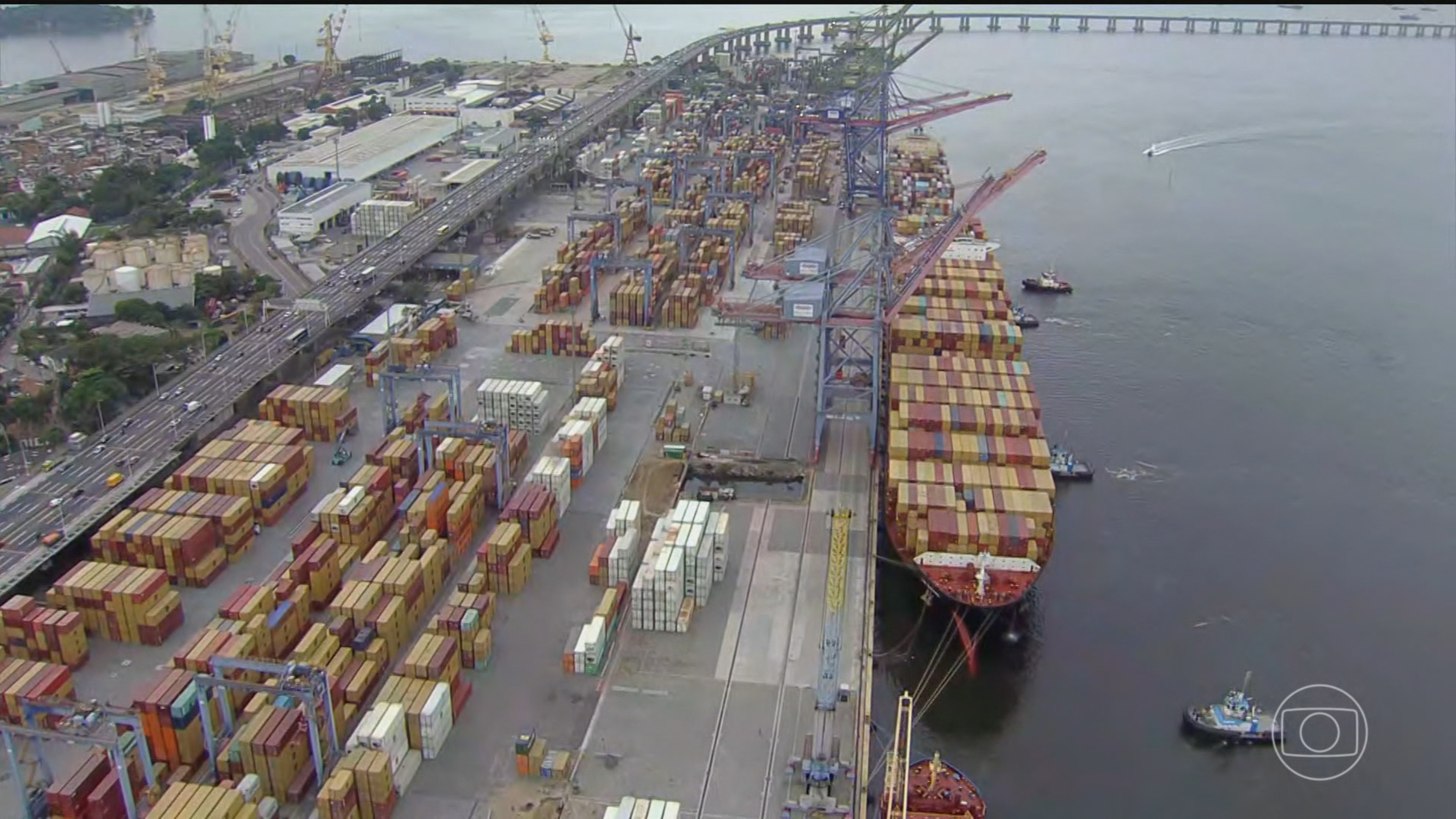
(FOLHAPRESS) - The government of Luiz Inácio Lula da Silva (PT) approved, this Thursday (2), an energy plan that concentrates efforts on oil, increases the participation of natural gas in the energy matrix and foresees an increase in greenhouse gas emissions by the energy sector.
In total, the plan estimates investments of R$3.5 trillion by 2035, of which R$2.8 trillion (80%) would be allocated to oil and gas. The value represents seven times the amount projected for renewable energy, estimated at R$374 billion.
Prepared by the Energy Research Company and approved by the Ministry of Mines and Energy, the plan foresees growth in renewable sources, with emphasis on distributed micro and mini generation (MMGD), a modality that today raises concerns about the stability of the electrical system.
The concentration of investments in oil reflects the development of pre-salt reserves. According to the plan, Brazil will reach 2035 producing 4.9 million barrels per day, an increase of 22% compared to the current volume.
The strategy is the target of criticism from scientists and environmental organizations, who point to the burning of fossil fuels as the main cause of climate change. The Lula government, in turn, defends the exploitation of national reserves.
The document does not mention direct investments in the Foz do Amazonas basin, but states that the Equatorial Margin "is identified by experts as promising for the production of hydrocarbons".
The Foz do Amazonas region has become the main frontier for oil expansion in the country and one of the most controversial topics in Brazilian energy policy, due to its high biodiversity.
In 2025, on the eve of COP30, the government granted an environmental license for Petrobras to begin drilling in block 59, after years of impasse.
Despite the contrary position of the then Minister of the Environment, Marina Silva, the license was granted by the Brazilian Institute of the Environment and Renewable Natural Resources after months of political pressure.
The plan also highlights natural gas, a fuel that is expected to register the greatest growth in both supply (71%) and demand (65%) over the next decade. R$167 billion in investments are planned for thermoelectric plants.
This year, the capacity reserve auction contracted R$515 billion in thermoelectric plants, a decision that generated questions in the Federal Court of Auditors and in the Courts for prioritizing fossil sources instead of renewable alternatives and battery storage systems.
Of the R$374 billion foreseen for clean energy, the plan allocates R$38 billion to batteries, R$79 billion to wind energy, R$54 billion to hydroelectric plants, R$36 billion to solar energy, R$115 billion to biofuels and R$1.6 billion to distributed generation. Another R$117 billion will be allocated to energy transmission.
Among generation sources, non-renewable thermoelectric plants are expected to grow the most in installed capacity, with an increase of 130%.
Natural gas is also identified as the main responsible for the increase in carbon dioxide emissions predicted for the next ten years, with an estimated increase of 66% between 2025 and 2035. The document states that this fuel will play an important role in ensuring the security of electrical supply.
Diesel oil will continue to be the country's main source of emissions, maintaining a 39% share in the period.
The transport and industrial sectors will remain the largest emitters, although their share will fall from 71% to 66%. The electricity sector should increase its share of emissions, from 9% to 12%.
The plan also foresees a 79% increase in self-production of energy and distributed generation, driven mainly by small generation systems, such as solar panels installed in homes.
Nuclear energy should increase its installed capacity from 2 GW to 3 GW by 2035. Battery systems, which currently have practically no participation in the matrix, should reach 6.6 GW. Wind and solar sources are also expected to grow, from 35 GW to 50 GW and from 20 GW to 29 GW, respectively. Hydroelectric plants, in turn, will have more modest growth, from 110 GW to 118 GW.
Embraer has the best second quarter since 2010
The half-yearly result was more expressive. With 109 aircraft delivered, compared to 91 in the first half of 2025, the increase reached 20%. The commercial aviation sectors, with 20 jets, and executive aviation, with 45 aircraft, were responsible for the good performance.