ANDRÉ BORGESBRASÍLIA, DF (FOLHAPRESS) - The growing pressure from the European Union to monitor the use of antibiotics in food and animal products has tested the limits of official inspection carried out by the Brazilian government. Now, to sell honey to the European bloc, Brazil will have to prove that it does not use antibiotics to fatten bees.
Brazil will have to prove to the EU that it does not use antibiotics to fatten bees
ANDRÉ BORGESBRASÍLIA, DF (FOLHAPRESS) - The growing pressure from the European Union to monitor the use of antibiotics in food and animal products has tested the limits of official inspection carried out by the...
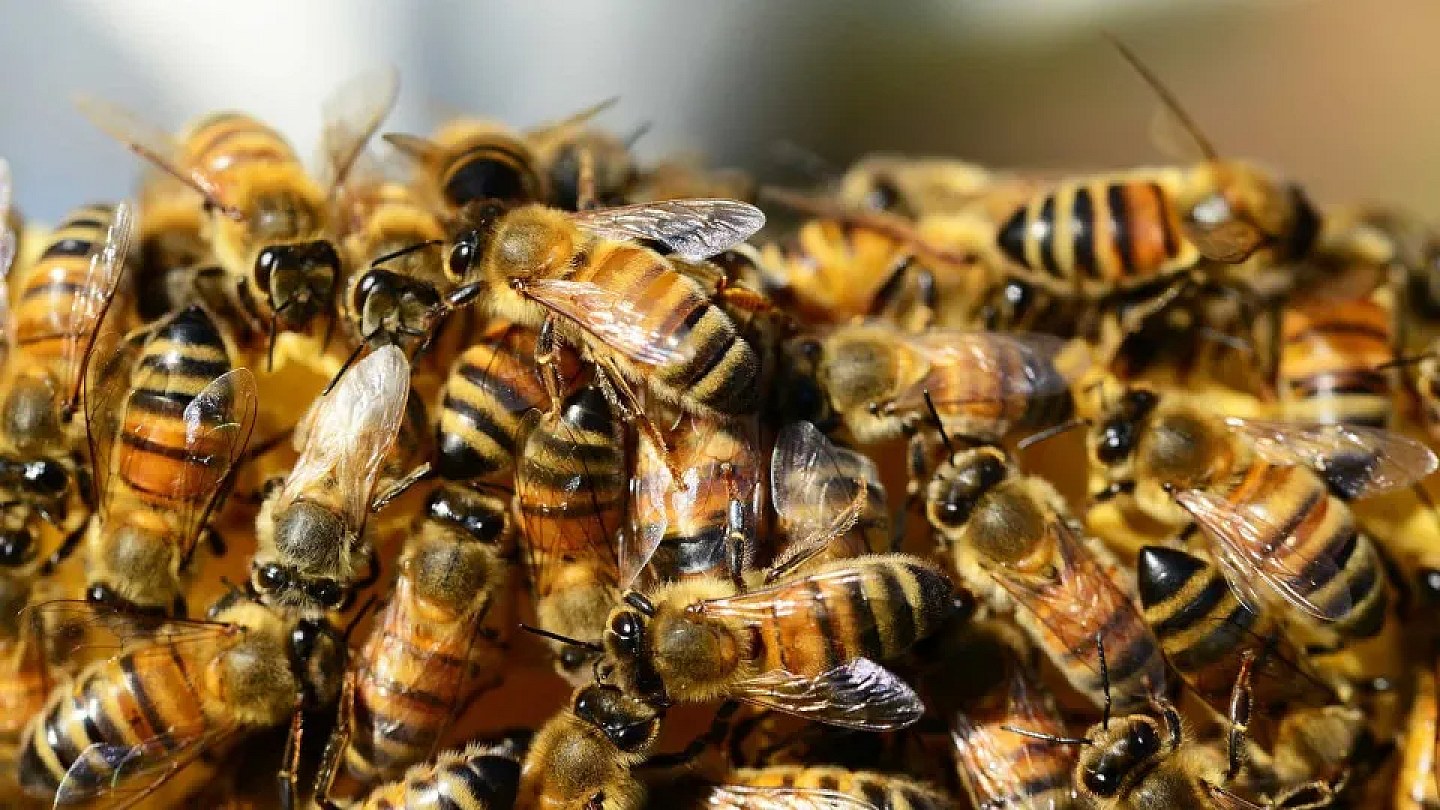
According to information obtained by the report, Mapa (Ministry of Agriculture and Farming) was forced to create an unprecedented internal procedure to officially demonstrate that it does not use these medicines to breed insects, nor to artificially increase their productivity.
The European standard was created to prevent meat, milk, eggs, fish and other products of animal origin from being obtained through the use of antibiotics to accelerate the growth of species. As honey is also classified by legislation as a product of animal origin, bees were automatically included in the requirement. The situation led Mapa to create guidance to standardize the actions of Brazilian inspectors responsible for certifying honey exports. These instructions will serve to officially certify to the European Union that national honey production meets the new health requirements.
The folder makes it clear that the use of medicines on bees makes no sense. "There is no zootechnical or sanitary basis for the use of antimicrobials as growth promoters in bees", states the Mapa report, to which the reporter had access.
By making it clear that "there are no [antibiotic] products registered in Brazil for this purpose in beekeeping", the ministry highlights that "honey production depends on factors such as availability of floral resources, climatic conditions, genetics and management of hives, and not on the use of antimicrobials to increase growth or yield".
This is a basic distinction about what can occur in livestock farming, where the use of these medications can be found. "There is no parameter in beekeeping equivalent to weight gain or feed conversion used in livestock farming to measure growth promotion", states Mapa's opinion.
The document was sent to the ministry's superintendencies, official inspection services and state agricultural defense bodies, to guide the issuance of certificates required by the European Union.
Producers received the European demand with surprise. In the report, Abemel (Brazilian Association of Honey Exporters) stated that it has already received instructions from Mapa to prepare reports on honey.
"Every type of requirement, when applied in a generalized way, ends up being considered exaggerated when looking at the particular, the specific. This is our case with honey. We do not understand this requirement to make sense for honey, considering the Brazilian context in which there are no products registered for this purpose", declared the association.
The association recognized that the fact that these medicines are not used in Brazil does not mean that they do not occur in other nations, and supported a report that attests to the absence of antibiotics in Brazilian honey and bees.
Brazil is not prevented from exporting honey to the European Union, but the new requirements will be imposed from September 3rd. Until then, the government needs to demonstrate that its control systems comply with the rules.
Mapa confirmed to the report that it has already sent information to the European Union about the non-use of antibiotics in the honey chain. "Bees are not subjected to breeding or feeding systems aimed at accelerating body weight gain, food conversion or increasing carcass yield, as occurs in certain production animal chains", stated the ministry. "There is no use of medicated food intended to increase the productive performance of the colonies."
According to the ministry, the absence of antimicrobial medicines registered for use in bees "results from the lack of technical or zootechnical indication for this type of use in the Brazilian beekeeping chain". There is a record of some countries that even authorize the use of certain antibiotics in hives, but only to treat bacterial diseases. This is the case in the United States, Canada and Argentina, for example. There is no record of the use of these medicines as growth agents or to increase bee productivity, a topic addressed by the EU.
Most Brazilian honey goes abroad. In 2024, Brazil produced a record 67.3 thousand tons of honey, generating R$1.01 billion, according to the IBGE (Brazilian Institute of Geography and Statistics). In the same year, the country exported 37.9 thousand tons, which generated US$ 100.6 million.
In 2025, the volume shipped fell to 34.5 thousand tons, but revenue increased to US$116.5 million, with the recovery in international prices.
The most recent agricultural census identified around 102 thousand establishments with beekeeping activities, of which approximately 82% belong to family farming.
Production is concentrated in the Northeast and South, which together account for around three quarters of the honey produced in the country. Paraná, Piauí and Rio Grande do Sul are among the main producing states.
Despite concerns about the European market, the main destination for Brazilian honey is the United States, responsible for more than 80% of recent exports.
Data from Mdic (Ministry of Development, Industry and Commerce) show that the European Union accounted for around 20% of Brazilian honey exports in 2020 and 2021. This share gradually fell in the following years, reaching 8% in 2025. In terms of value, sales to Europe fell from US$32 million in 2021 to US$8.9 million last year. Still, the bloc is considered strategic as it pays better certain niches, in addition to diversifying destinations and acting as a regulatory reference for other importing countries. Selling to Europeans helps boost your image
Source: Noticias ao Minuto
Next recommended read
This story was originally published by Noticias ao Minuto. Visit the original publication for further details.
Open original publication

