As the world continued to burn and temperatures reached worrying highs, most of us decided to take refuge in the cinema this summer. It provided some relief for audiences, but even more so for the industry at large, with the season pushing past the magic $4bn mark to become the biggest since 2019, up 20% from last year. There were the expected hits (Spider-Man never misses), but there were also unprecedented breakouts (we were obsessed with Obsession) and surprise underperformers (are kids Minions-ed out?)
Summer box office 2026: what can we learn from the hits and misses?
As the world continued to burn and temperatures reached worrying highs, most of us decided to take refuge in the cinema this summer. It provided some relief for audiences, but even more so for the industry at large, with the season pushing...
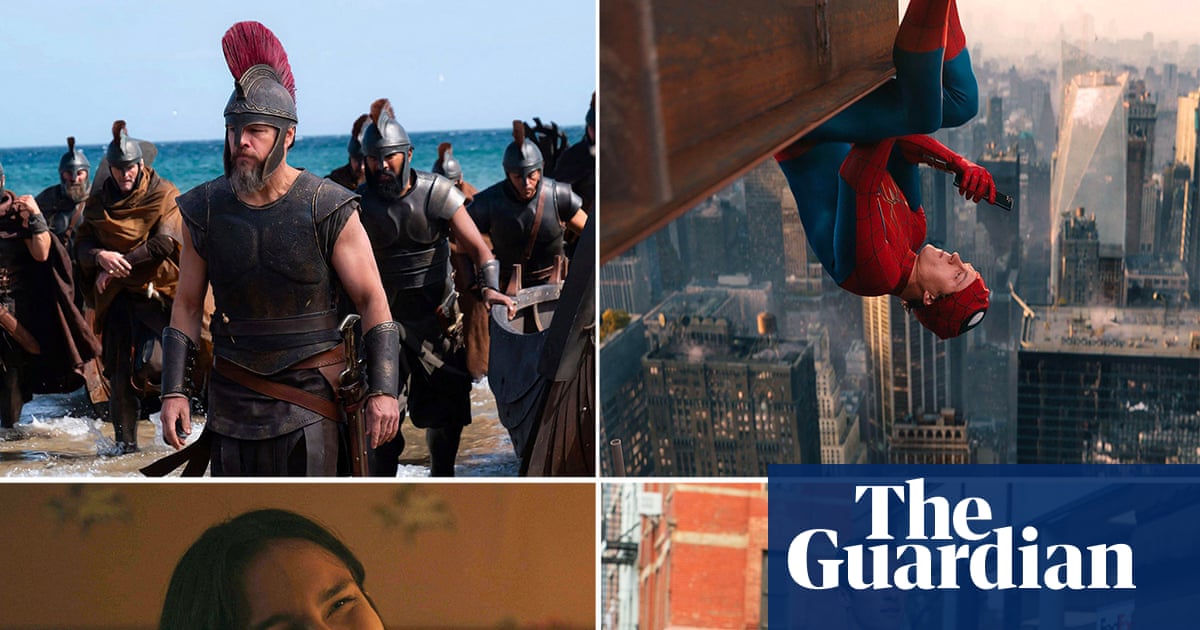
There were the expected hits (Spider-Man never misses), but there were also unprecedented breakouts (we were obsessed with Obsession) and surprise underperformers (are kids Minions-ed out?) So at the end of a season with epic highs and cavernous lows, what lessons can Hollywood learn? Spider-Man is the king of Hollywood As soon as pundits are ready to admit...
- Spider-Man is the king of Hollywood As soon as pundits are ready to admit that the superhero genre is actually really dead this time, a film comes out that almost immediately proves them...
- Last summer, the underperformance of both Thunderbolts ($382m worldwide) and The Fantastic Four: First Steps ($521m worldwide) was somewhat offset by the decent start for James Gunn’s...
- But it was still a minor win for a type of film that used to enjoy major success, with the last superhero caper to cross the magic $1bn number notably being 2024’s snarky and...
Leitura editorial organizada apenas com informações contidas nesta matéria e na fonte identificada.
So at the end of a season with epic highs and cavernous lows, what lessons can Hollywood learn?
Spider-Man is the king of Hollywood
As soon as pundits are ready to admit that the superhero genre is actually really dead this time, a film comes out that almost immediately proves them wrong. Last summer, the underperformance of both Thunderbolts ($382m worldwide) and The Fantastic Four: First Steps ($521m worldwide) was somewhat offset by the decent start for James Gunn’s rebooted Superman ($624m worldwide), alarms temporarily quietened. But it was still a minor win for a type of film that used to enjoy major success, with the last superhero caper to cross the magic $1bn number notably being 2024’s snarky and self-deprecating Deadpool & Wolverine. Sirens were heard across Hollywood once again this summer as DC’s Supergirl crashed and burned back in June (a pitiful $126m worldwide from an estimated budget of $180m), but like clockwork, a miss was then followed by a hit and this time it was one of genuinely heroic proportions.
As July drew to a close, Spider-Man: Brand New Day premiered to sky-high numbers, a global opening weekend of almost $1bn leading to a current total of well over $2bn, by far the biggest film of the year to date as well as the second biggest superhero film of all time and the fourth biggest film ever, overtaking Titanic. It’s an obvious cause for celebration but one that comes with considerable asterisks. Spider-Man has long been a pioneering superhero character impervious to wider market trends. Sam Raimi’s 2002 original was the first film ever to make over $100m in its opening domestic weekend; even the lowest-performing sequel (2014’s The Amazing Spider-Man 2) made over $700m. Spider-Man: No Way Home became the highest-grossing film during the pandemic and now as Captain America, Supergirl and Thunderbolts flail, Spider-Man remains a considerable draw.
Marvel will surely be seeing this as a positive sign of things to come when Avengers: Doomsday hits in December (a film that has more riding on it than arguably anything else this year), but Spider-Man’s success continues to be his and his alone.
Gen Z horror profit margins are scary good
Horror has long been Hollywood’s favourite genre for the simple business fact of its profit margin. Typically cheap to produce and not reliant on expensive actors, even an underperformer rarely results in a great, superhero-sized loss. But this summer’s scariest hits were even cheaper and even more successful than the genre typically sees and both were used as proof of a changing of the guard, a new generation of film-makers now taking over.
While some of the hyperbole surrounding the success of Obsession and Backrooms, both directed by YouTube-trained twentysomethings, got a little bit overexcited (it’s not quite the new New Hollywood movement just yet), there was something undeniably invigorating about seeing two small films outgross far bigger summer options. Obsession came first with a budget of just $750k and after a modest opening weekend, word of mouth propelled it to one of the unlikeliest box office runs in recent memory, the first film since ET to increase its takings for three weekends in a row. It ended its run with a global total of $505m, making it the sixth biggest horror film of all time and the most successful original film of the 2020s. Soon after, A24’s less obviously audience-friendly horror Backrooms, based on the hit web series, became the company’s biggest-ever film with $394m worldwide from a $10m budget, while also making director Kane Parsons the youngest-ever film-maker to open at No 1.
As many soon pointed out, the success of two horror films in a landscape already oversaturated with them wasn’t a sign of some great sea change (imagine if two low-budget comedies achieved this, for example) but it did feel like a moment, one that energised a gen Z audience who were able to claim ownership of films made for them by people their age while still proving accessible to other age groups. The successes also came at a mostly underwhelming season for the horror genre elsewhere with more traditional options like Paramount’s Passenger ($31m worldwide), Hokum ($25m worldwide), Eli Roth’s Ice Cream Man ($6m worldwide) and even Evil Dead Burn ($72m worldwide down from Evil Dead Rise’s $147m) paling in comparison with these two megahits. The wrong lessons will be learned with studios already buying up the rights to any old creepypasta that they can find, but ideally it encourages more chances to be taken and more rules to be somewhat broken. Hopefully next time in a different genre …
For franchises, too much is a bad thing
The declining interest in all things Marvel, Star Wars and DC should have taught Hollywood execs a thing or two about a lot of things but the biggest lesson should be one about the importance of scarcity. The more audiences were given of once carefully managed and commercially unbeatable brands, on both big and small screens, the less they felt compelled to keep coming back, an obvious case of more being too much.
It’s a thread that partly explains why a number of this summer’s biggest films underperformed: sequels, remakes or spin-offs rushed out before audiences had the chance to crave their return. The Despicable Me/Minions franchise had become the most reliable long-running animated series in Hollywood with over $6bn in the bank globally and the last two films in both intertwining sagas almost reaching $1bn ea