The United States Army reported this Thursday that it has concluded a new round of air strikes against Iran. For the first time in this phase of the conflict, the bombings hit areas located in the north of the country.
US announces end to latest wave of attacks against Iran
The United States Army reported this Thursday that it has concluded a new round of air strikes against Iran. For the first time in this phase of the conflict, the bombings hit areas located in the north of the country. Iranian state media...
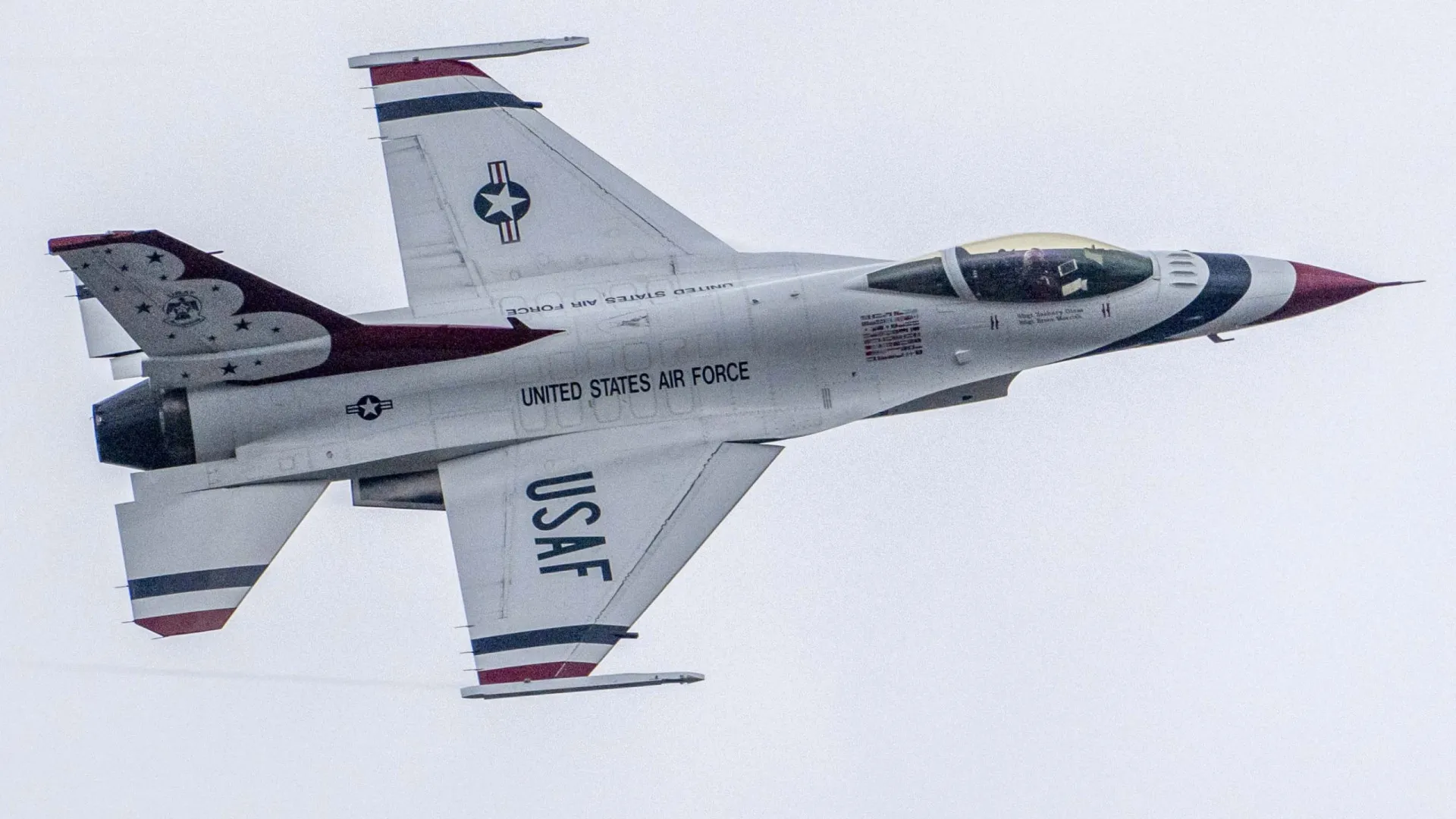
The attacks are part of the dispute for control of the Strait of Hormuz, a strategic route through the Persian Gulf through which, in normal times, around a fifth of the oil and natural gas consumed in the world passes. According to Iranian vehicles, the province of Semnan was also hit.
- The region is home to facilities linked to the production of ballistic missiles and the country's space program.
- So far, there is no detailed information about damage or victims in these locations.
Editorial reading aid based only on information contained in this story and its identified source.
Iranian state media reported explosions on the outskirts of Tehran during the most recent offensive. The attacks are part of the dispute for control of the Strait of Hormuz, a strategic route through the Persian Gulf through which, in normal times, around a fifth of the oil and natural gas consumed in the world passes.
According to Iranian vehicles, the province of Semnan was also hit. The region is home to facilities linked to the production of ballistic missiles and the country's space program. So far, there is no detailed information about damage or victims in these locations.
In the early hours of Thursday, Iran also launched attacks against Bahrain and Kuwait. The offensive took place after the United States reestablished the naval blockade and expanded the air campaign in response to Iranian actions against vessels trying to cross the strait.
The exchange of attacks between Washington and Tehran over the past few days has weakened the provisional agreement reached to stop the fighting and increased the risk of a new military escalation in the Middle East.
The United States had imposed a blockade on the region in April, but suspended the measure last month, after signing a temporary understanding that provided for 60 days of negotiations on issues such as Iran's nuclear program.
The talks, however, were paralyzed with the increase in the dispute over control of the strait.
When the United States and Israel began their offensive against Iran on February 28, Tehran halted virtually all maritime traffic through the passage. The measure caused a rise in the prices of oil, fertilizers and other products, in addition to increasing Iranian pressure in negotiations.
Rising prices pose a challenge to President Donald Trump and the Republican Party, which is trying to maintain control of Congress in the November elections. Washington is also facing difficulties in reestablishing normal shipping in the region.
About 24 hours after the resumption of the blockade, American military personnel opened fire on a merchant ship and neutralized it. In response, the Iranian Revolutionary Guard threatened to halt all energy exports from the Middle East.
“The export of oil and gas from the region will be for everyone or no one,” declared Iran's elite force.
Shortly after the United States began the third round of bombings, Trump said the Iranian government would be willing to negotiate a peace agreement, but did not provide details.
“They don’t like what we are doing and want to reach an understanding. Let's see if we can reach an agreement or if we just end this,” he said on Wednesday, during an event at the United States Army War College in Pennsylvania.
US Central Command reported that dozens of targets were hit on Wednesday. Part of the bombings occurred during the day, which is considered unusual and indicates an intensification of the pace of operations.
Among the locations attacked was the island of Greater Tunb, considered strategic for controlling the Strait of Hormuz. Another offensive hit a barracks of the Iranian 388th Mechanized Infantry Brigade, in the province of Sistan and Baluchistan.
According to Iranian authorities, the attacks carried out on Wednesday killed at least seven soldiers and left hundreds injured in different regions.
Iranian Health Ministry spokesman Hossein Kermanpour reported that more than 35 people were killed and more than 300 were injured in American bombings in recent days. This was the first official assessment released by the Iranian government in this new phase of the conflict.
Meanwhile, oil prices continue to rise. A barrel of Brent, an international reference, surpassed US$85 on Wednesday, a value more than 15% above that recorded before the war, although still far from the almost US$120 reached at the height of the conflict.
Analysts at the International Monetary Fund warned that the global oil surplus had been helping to contain prices, but that much of this safety margin had already been consumed.
USA decides to tax Brazilian products by 25% after commercial investigation into Pix and ethanol
The 25% tariff comes into effect from July 22nd, but around 2,100 Brazilian products were left out of the measure. Exceptions include meat, coffee, oranges, orange juice and components for the aeronautical industry