Hot days seem more intense in certain areas of the city g1 AM Anyone who lives in Manaus knows that the temperature shown on the thermometer does not always explain the heat felt in the streets, especially in more urbanized areas during the Amazon summer. The sensation of a temperature different from that reported by meteorologists can be attributed to the so-called thermal sensation. But after all, what is the difference between temperature and thermal sensation in practice? g1 spoke with meteorologist Leonardo Vergasta, who explained that the most used term for the Amazon region, where the climate is hot and humid all year round, and relative humidity frequently exceeds 80%, is "heat index". "The air temperature is what we measure with a thermometer: it is an objective value that measures the energy of the air at a given moment. The thermal sensation, or what is technically more correct here in the region, we prefer to call the heat index, is different. It is basically how our body feels that temperature. It is not measured by a common thermometer. It is calculated taking into account the air temperature together with the relative humidity of the air", he explains. Vergasta explains that the heat index is data that better represents the thermal stress that the population feels on high temperature days. According to the meteorologist, in humid tropical regions such as the Amazon, the difference between air temperature and the heat index can reach up to 15°C. VIDEO: Dome of the Teatro Amazonas appears covered in shades of orange on an intensely hot morning in Manaus Amazonian summer: see how to adapt training, clothing and hydration to the heat Care in the intense heat of Manaus needs to be doubled The thermometer doesn't tell the whole story The same temperature can look very different depending on where the observation is made. Factors such as humidity, wind, solar radiation, shadow and characteristics of the urban surface affect the perception of climate. According to Vergasta, this happens because the human body works as a heat exchange system with the surrounding environment, and the ability of this system to release heat into the air that surrounds us is what causes the sensation of a hot or cold environment. "When it's hot, we sweat. This sweat that comes out of the skin evaporates, and this evaporation is what really cools us down. It's like when you wet your arm and the wind blows by: that evaporation of water is what takes away the heat. Now, when the humidity in the air is very high, the air is already full of water, and then that sweat can't evaporate properly. It stays there on the skin, it doesn't evaporate, and the body can't cool itself down. Result: you feel much hotter", he explained. In this scenario, the most important factor in the difference in heat perception is air humidity. In places with a humid climate, such as the Amazon, humidity remains high even during the dry period. These conditions, combined with climate events such as El Niño, make the feeling of heat even greater than at other times of the year. "Here in Manaus, during the period we call dry, which runs from May to October, the humidity drops a little, but not drastically. When we combine this with an event like El Niño, which reduces clouds and increases solar radiation reaching the ground, the result is an extremely high heat index. That's why this year, with the El Niño that was established in June, we are seeing this very strong impact on the region's climate", pointed out the meteorologist. The influence of afforestation Another factor that influences the heat index is afforestation. For example, a person walking through a park may have a more comfortable sensation of the temperature than a person walking on a paved street that registers the same temperature on the thermometer. In addition to the shade produced by the trees serving as thermal relief on very intense sunny days, the phenomenon of Evapotranspiration from plants also helps reduce the sensation of heat in places with greater vegetation, in an effect that Vergasta described as "a kind of natural air conditioning": "When you are under a tree, that solar radiation that would come directly from the sky is blocked by the leaves, so we don't receive all that heat on our skin. Second, trees transpire, meaning they release water through their leaves, and this water evaporates. This evaporation consumes heat from the surrounding air, and this cools the local environment. Furthermore, trees reduce wind speed a little, and when there is a lot of transpiration from the plants releasing water, the humidity in the surrounding air changes", he explained. The expert also pointed out that the air temperature in wooded areas can be 1°C to 5°C lower compared to areas without trees. However, this effect requires a continuous and dense vegetation cover to be perceived in an entire neighborhood, or a city. A single tree, even a large and mature one, can help the climate immediately around it due to the projected shadow, but it is not the enough to impact a region larger than a few meters. "The reason is simple: the effect of an isolated tree is very localized, it works in a radius of about 10 to 20 meters around it. To cool an entire neighborhood, you need multiple trees forming a continuous structure, creating a network of shade and evapotranspiration. Research shows that streets with one or two trees have a much lower thermal effect compared to streets that have a continuous canopy of trees covering the entire road." According to Vergasta, the climate phenomenon El Niño, established in June 2026, boosted average temperatures above normal for September and October, and the incidence of such anomalies makes urban vegetation extremely important. Getúlio Vargas is one of the few tree-lined avenues in Manaus g1 AM The Amazon Forest is a climate regulator on a regional scale, but in Manaus, one of the largest cities in the biome, afforestation is not enough to fulfill the role of reducing heat on a large scale.
Temperature x thermal sensation: understand why we feel hotter than the thermometer indicates in Manaus
Hot days seem more intense in certain areas of the city g1 AM Anyone who lives in Manaus knows that the temperature shown on the thermometer does not always explain the heat felt in the streets, especially in more urbanized areas during...
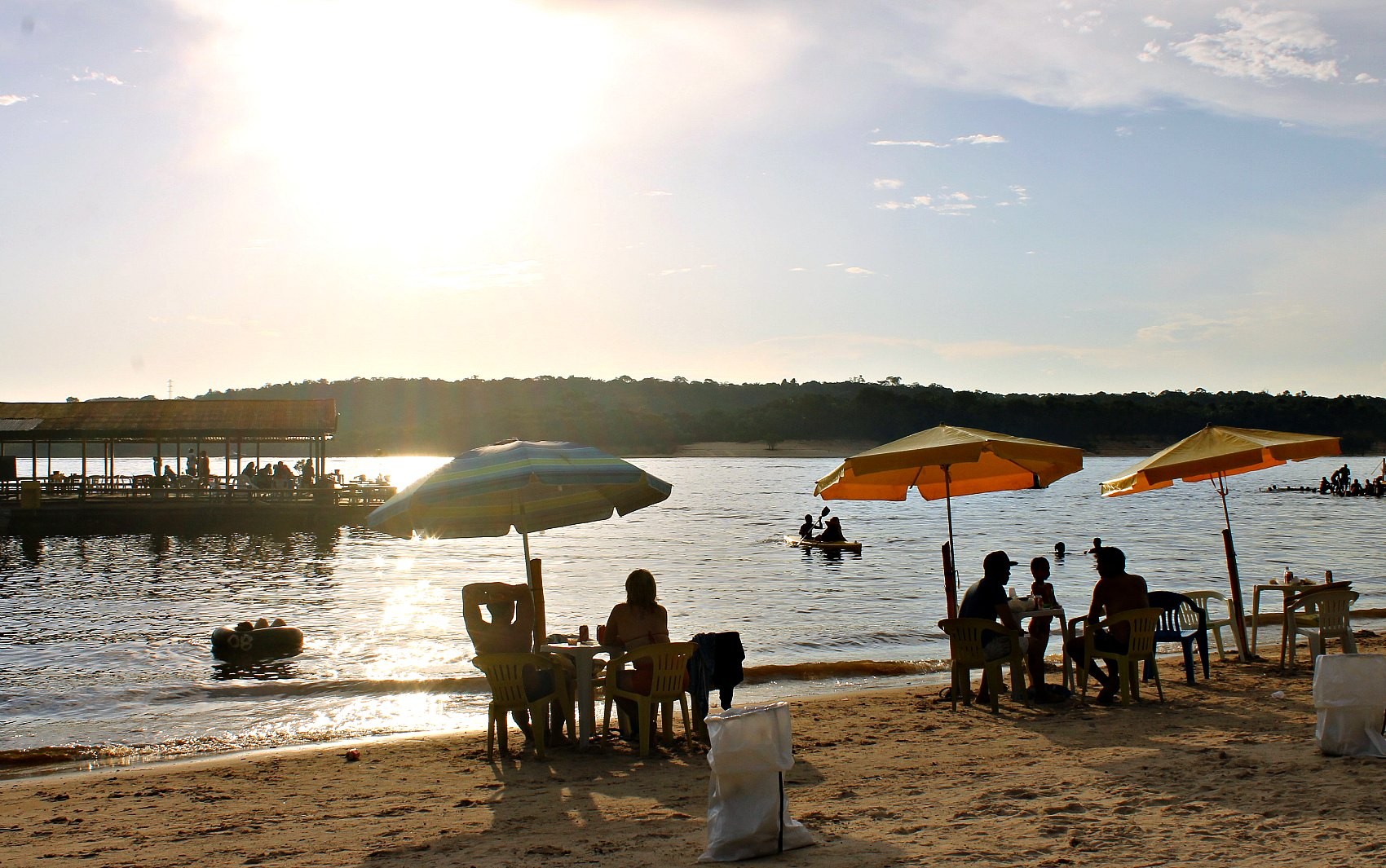
But after all, what is the difference between temperature and thermal sensation in practice? g1 spoke with meteorologist Leonardo Vergasta, who explained that the most used term for the Amazon region, where the climate is hot and humid all year round, and relative humidity frequently exceeds 80%, is "heat index".
- "The air temperature is what we measure with a thermometer: it is an objective value that measures the energy of the air at a given moment.
- The thermal sensation, or what is technically more correct here in the region, we prefer to call the heat index, is different.
Editorial reading aid based only on information contained in this story and its identified source.