A study by the Institute for Research and Innovation in Health (i3S), at the University of Porto, identified a possible relationship between bacteria present in the intestine and mouth and traits associated with psychopathy, such as impulsivity, lack of empathy and antisocial behavior.
Study links gut and mouth bacteria to traits of psychopathy
A study by the Institute for Research and Innovation in Health (i3S), at the University of Porto, identified a possible relationship between bacteria present in the intestine and mouth and traits associated with psychopathy, such as...
The objective was to investigate whether certain microorganisms and substances produced by the organism could be related to behavioral characteristics. “The results show that certain intestinal and oral bacteria are associated with traits of psychopathy in the community, suggesting that microorganisms in the body may be related to processes linked to...
- “The results show that certain intestinal and oral bacteria are associated with traits of psychopathy in the community, suggesting that microorganisms in the body may be related to...
- The researchers emphasize that the discovery does not establish a cause and effect relationship.
- In other words, the work does not allow us to state that the presence of these bacteria causes psychopathic characteristics.
Editorial reading aid based only on information contained in this story and its identified source.
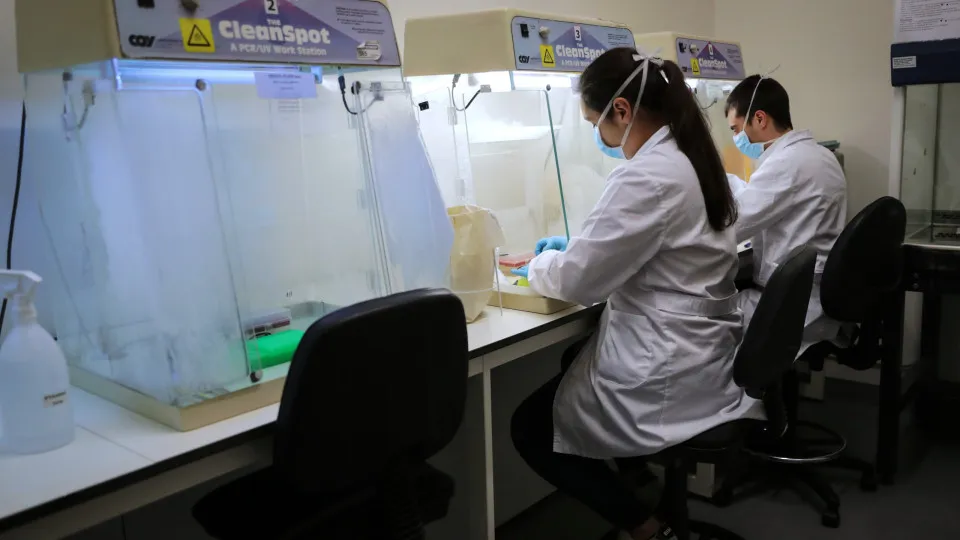
The research analyzed 200 Portuguese people and compared psychological assessments of participants with samples of feces, saliva and blood. The objective was to investigate whether certain microorganisms and substances produced by the organism could be related to behavioral characteristics.
“The results show that certain intestinal and oral bacteria are associated with traits of psychopathy in the community, suggesting that microorganisms in the body may be related to processes linked to emotions and social behavior”, stated Carolina Costa, first author of the study, developed as part of the PhD in Biomedical Sciences at the Abel Salazar Institute of Biomedical Sciences (ICBAS).
The researchers emphasize that the discovery does not establish a cause and effect relationship. In other words, the work does not allow us to state that the presence of these bacteria causes psychopathic characteristics.
“We cannot say that bacteria cause traits of psychopathy, but we observed a relationship between certain oral and intestinal bacterial profiles and specific behavioral characteristics”, explained Benedita Sampaio-Maia, study coordinator and i3S researcher.
The investigation also found associations between the traits evaluated and some specific intestinal bacteria. Differences in the concentrations of certain substances present in feces, including glucose and taurine, also appeared related to higher levels of these characteristics.
Taurine is a molecule produced by the body and participates in different functions related to metabolism and brain functioning.
Relationship between intestine, brain and behaviorThe results reinforce an area of research that seeks to understand the communication between the body's microorganisms and the brain. This so-called gut-brain axis has been studied for its possible role in processes linked to neurological functioning, emotions and behavior.
According to i3S, psychopathy brings together characteristics such as impulsivity, manipulation, low empathy and antisocial behavior. Although genetic and environmental factors are related to the development of these traits, the biological mechanisms involved are not yet fully understood.
To carry out the study, scientists assessed psychopathic traits, levels of empathy and anxiety in 200 participants using psychological assessment scales.
At the same time, samples of feces, saliva and blood made it possible to analyze the composition of bacteria present in the body and look for chemical substances that may participate in communication between the intestine and the brain.
The researchers believe that the results may contribute, in the future, to the identification of biological markers related to mental health. The work also opens space for new investigations into interventions involving food, probiotics or other strategies capable of modifying the composition of the microbiota.
The study also included researchers from the Faculty of Psychology and Educational Sciences of the University of Porto (FPCEUP), the Faculty of Dental Medicine of the University of Porto (FMDUP) and the University of Oxford.
Larva that devours living tissue has already infected more than 500 people in Mexico
Study shows acceleration in cases of myiasis caused by the New World blowfly, with six deaths among analyzed patients. Parasite has returned to circulation in Mexico after decades of control and also worries authorities in the United States