The construction of Senna Tower, a project that will be the tallest residential building in the world, located in Balneário Camboriú, Santa Catarina, has just overcome one of the most important engineering challenges: the completion of the foundations that will support a structure approximately 550 meters high. Responsible for this stage, União Fundações completed the work after seven months of continuous operation, a period marked by logistical planning, unprecedented technology in Brazil and strict quality control. The phase began in December 2025 and required a large-scale operation to guarantee the structural safety of a project considered a milestone in Brazilian engineering. Throughout the construction of the foundation, more than 1,000 monitored continuous helix (CFA) type piles were built, all fully reinforced and with depths reaching 42 meters, in accordance with the geotechnical characteristics of the terrain and the requirements of the structural project. Each pile was monitored electronically throughout the execution, which allows information such as depth, torque, drilling speed, pressure and volume of concrete used to be recorded. This monitoring guarantees full traceability and a high standard of quality control. Technology to face an unprecedented challenge One of the differences of the work was the use of the MAIT CFA 34-36 drill, equipment of Italian origin incorporated into the União Fundações fleet through an investment of approximately R$ 15 million. The machine, designed to execute continuous monitored helix piles of great depth and high diameter, expanded the company's operational capacity and allowed it to meet the Senna Tower's technical requirements with greater productivity, precision and safety. In addition to the equipment, the operation mobilized dozens of specialized professionals daily, in addition to one of the largest fleets of equipment for deep foundations in the country. Logistics involved the continuous supply of concrete, steel, heavy machinery and technical support to meet the schedule of one of the most challenging construction projects today. União Fundaçãoes Why is the foundation so important? Despite being hidden after the work is completed, the foundation is one of the most important parts of any building. It is what transfers all the construction loads to the ground throughout its useful life, ensuring stability, safety and durability. In large projects, such as the Senna Tower, this responsibility becomes even more important. Each element of the foundation is the result of detailed geotechnical studies, structural calculations and rigorous monitoring during all stages of execution. In the case of the project, the system was designed to support a structure approximately 550 meters high, forming the base that will allow the construction of one of the most emblematic buildings in the world. Experience in major works With the completion of the foundations, Senna Tower begins a new phase of construction, while União Fundações ends its participation leaving the infrastructure that will support the entire building. The company is recognized for its work in highly complex works throughout Brazil. Currently, it has one of the largest fleets of equipment for deep foundations in Latin America and maintains investments in innovation, technology and technical qualifications to serve projects of different sizes across the country. Do you want to know more about the foundations of the largest buildings in Brazil and the world? Then access the União Fundações website by clicking here. Union Foundations
Senna Tower: how the largest residential building in the world was built
The construction of Senna Tower, a project that will be the tallest residential building in the world, located in Balneário Camboriú, Santa Catarina, has just overcome one of the most important engineering challenges: the completion of the...
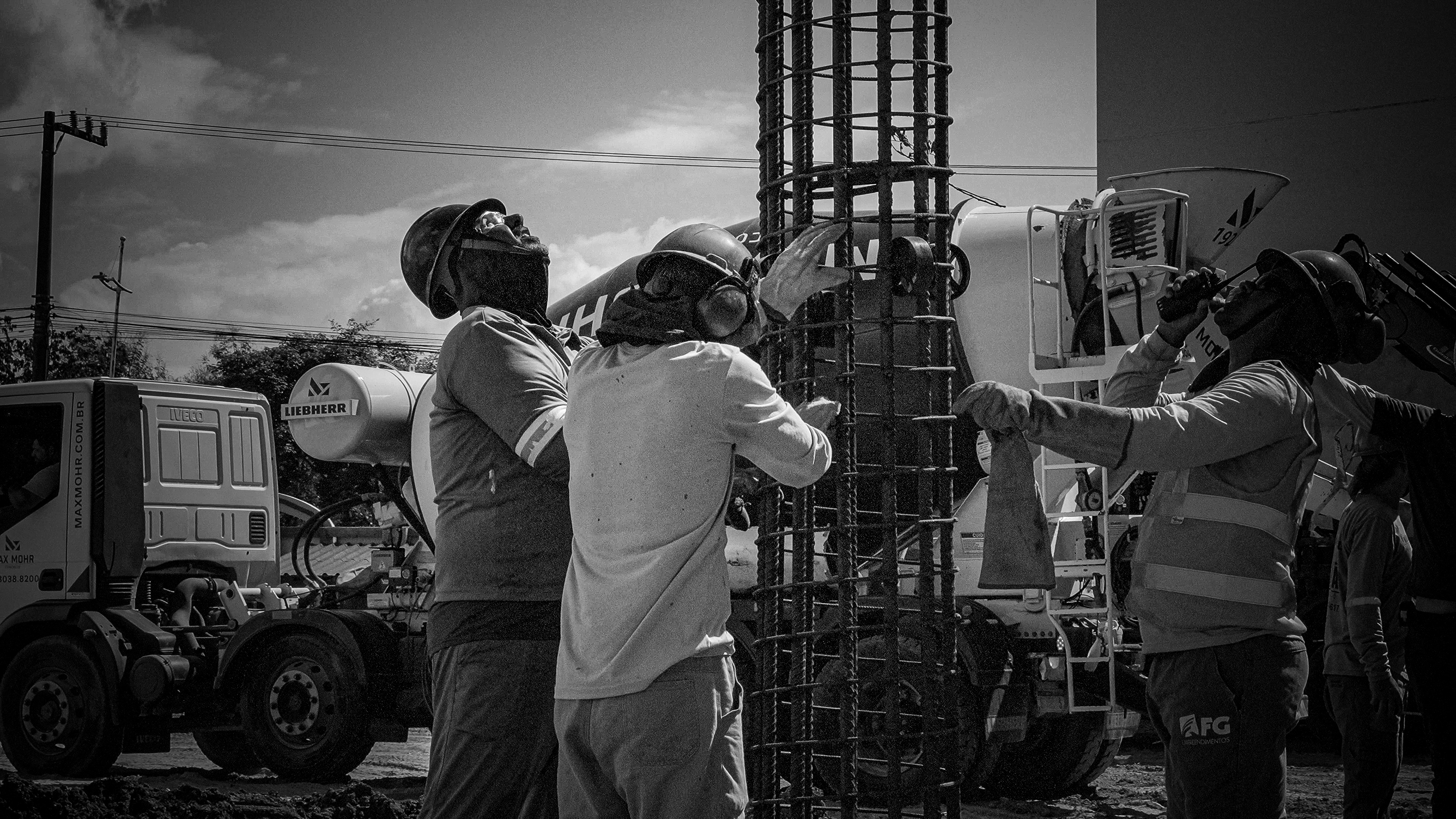
The phase began in December 2025 and required a large-scale operation to guarantee the structural safety of a project considered a milestone in Brazilian engineering. Throughout the construction of the foundation, more than 1,000 monitored continuous helix (CFA) type piles were built, all fully reinforced and with depths reaching 42 meters, in accordance...
- Each pile was monitored electronically throughout the execution, which allows information such as depth, torque, drilling speed, pressure and volume of concrete used to be recorded.
- This monitoring guarantees full traceability and a high standard of quality control.
Editorial reading aid based only on information contained in this story and its identified source.