There is a transformation underway in the concept of luxury. It is not surface adjustment or fashion oscillation. It is a structural repositioning of how high-income people understand and live well. For decades, luxury was clear language: visible ostentation, obvious logos, immediate signs of status. Large houses, ornate furniture, accumulation of objects functioned as a communication of power. This grammar worked. But it lost strength as the profile of those who consume luxury changed and the market understood that display is not the same as distinction. What emerges is the so-called silent luxury. Status doesn't disappear, it just changes language. Out comes the visual excess, in comes quality that doesn't need to be announced. A finish that only those who have a repertoire recognize. Discretion that works as a sign of sophistication. Image: Detail of covering in the bathroom of the decorated Tauá.png [Caption: Detail of covering in the decorated Tauá. - Photo: Daniella Araujo] Transition from minimalism Minimalism served as an important bridge in this transformation. A few years ago, it gained prominence as a response to excess: reduction of elements, clean spaces, functionality. But pure minimalism has always had limitations. It was cold, sometimes arid. The new luxury is not minimalism. It's his evolution. Maintains deliberate reduction of elements but adds genuine purpose. Each object that remains has history, materiality, intentionality. It is not absence for the sake of absence, it is a well-chosen presence. Minimalist room. Magnificent. Quality as a central axis The new luxury is built on three pillars that are not fads: quality, durability and purpose. Quality means investment in genuine materials. Solid wood, natural stone, natural fibers, high-end fabrics. These materials not only perform better, they age better. They develop patina, gain character, convey that they were chosen with intention. Durability is the recognition that true luxury is not having to constantly renew. One well-made piece that spans decades is more luxurious than ten disposable pieces. It reflects criticism of accelerated consumption and affirmation of genuine environmental values. Purpose means that each element exists for a real reason. Functional or emotional, but never just decorative. A comfortable and well-made sofa is worth more than several scattered pieces of furniture. A luminaire with authorship can take center stage. A handcrafted piece carries more value than mass-produced objects. Detail of the living room of the decorated Tauá apartment. Daniella Araujo. Reconnection with nature A significant part of this transformation is recovering the connection with the natural. Biophilic design gains space not as a trend, but as recognition that environments need to dialogue with nature to promote real well-being. Natural ventilation, abundant lighting, organic materials, integration with landscaping. The house stops being a barrier against the outside world and becomes a place to coexist with it. Experience trumps ownership Structural change in high-income behavior points to a preference for experience over asset accumulation. This redefines everything: from how we think about designing an apartment to how we conceive a life well lived. Living well is not having everything. It’s knowing how to choose the essentials. It means having spaces that breathe, that allow fluid circulation, that function as support for life, not as an exhibition of it. Apartment-style living in Tauá. Dreamis/disclosure. Genuine attraction to the real estate market This transformation has a direct impact on how premium buyers choose their homes. It’s no longer just size or location. It is the project's ability to offer lasting quality, conscious use of space, materials that age well, spaces that promote genuine well-being. For Alessandro Durigan, commercial coordinator at Dreamis Incorporadora, this change attracts buyers in a particularly strong way because they recognize authenticity. "The new luxury appeals because it is timeless. It is not tied to trends that disappear in five years. An apartment designed with durable materials, well-proportioned spaces, real construction quality, well-being conscious design remains relevant decades later." Tauá, a project launched in December 2025 by Dreamis Incorporadora in Juvevê, exemplifies this consolidated philosophy. Tauá swimming pool. Dreamis/disclosure. From architectural design to technical specifications, the project was designed based on new luxury principles. Generous ceiling height that is not excess, it is proportion. Plants with intelligent design that optimize each square meter without sacrificing spaciousness. Quality natural materials that will age well. Common areas curated for genuine well-being, not show. There are no unnecessary elements. There is clear intention. The rammed earth facade, the landscaping, the natural lighting, the chosen finishes all reflect the understanding that silent luxury is sophistication that sustains value without needing to impose itself. Because in a market saturated with stimuli, what really communicates sophistication is what remains valuable without shouting.
New luxury: sophistication that doesn’t need to announce itself
There is a transformation underway in the concept of luxury. It is not surface adjustment or fashion oscillation. It is a structural repositioning of how high-income people understand and live well. For decades, luxury was clear language:...
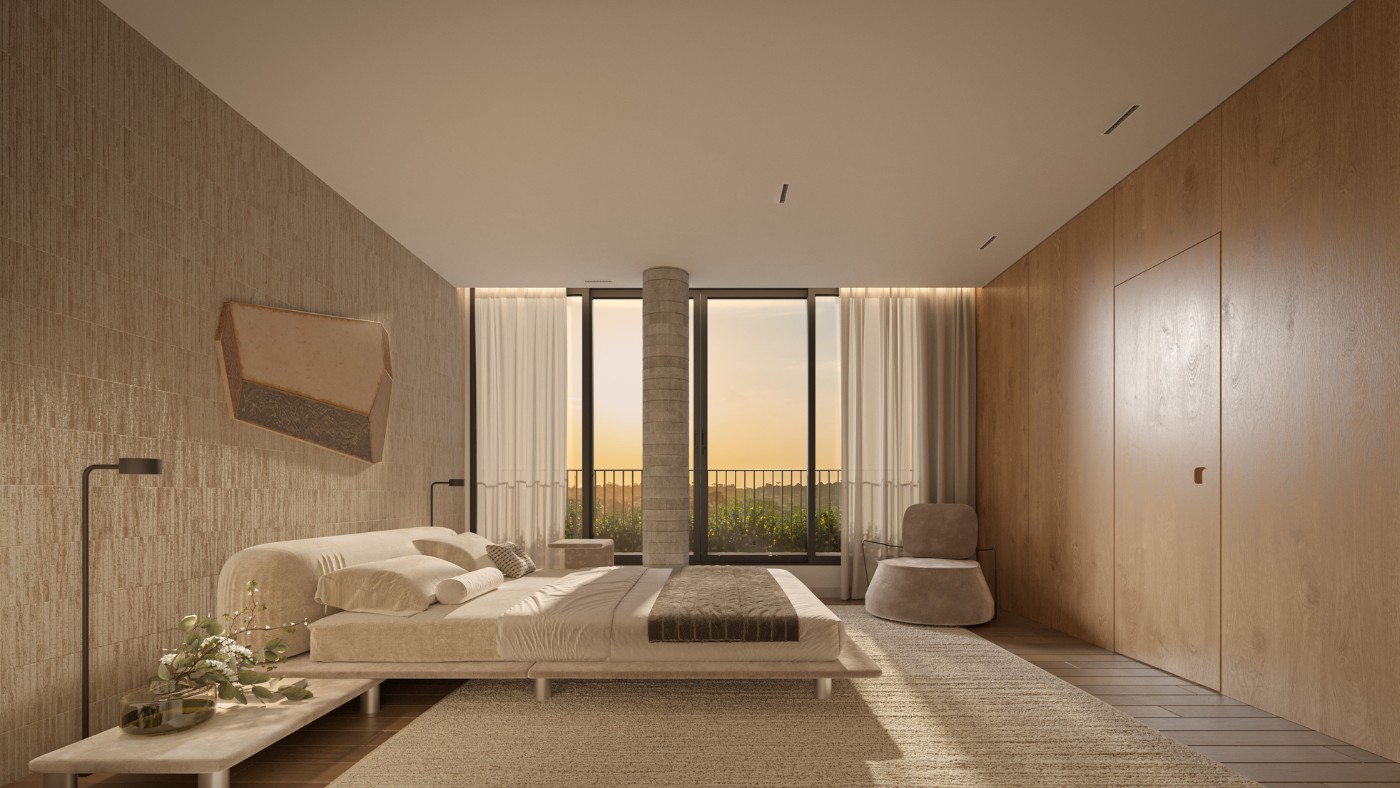
Large houses, ornate furniture, accumulation of objects functioned as a communication of power. But it lost strength as the profile of those who consume luxury changed and the market understood that display is not the same as distinction.
- Status doesn't disappear, it just changes language.
- Out comes the visual excess, in comes quality that doesn't need to be announced.
Editorial reading aid based only on information contained in this story and its identified source.