NASA has released the first detailed images of the crater formed on the Moon after the crash of an upper stage from SpaceX's Falcon 9 rocket. The equipment reached the lunar surface on August 5, after remaining in space since a mission carried out in early 2025.
NASA reveals crater on the Moon after abandoned SpaceX rocket crash
NASA has released the first detailed images of the crater formed on the Moon after the crash of an upper stage from SpaceX's Falcon 9 rocket. The equipment reached the lunar surface on August 5, after remaining in space since a mission...
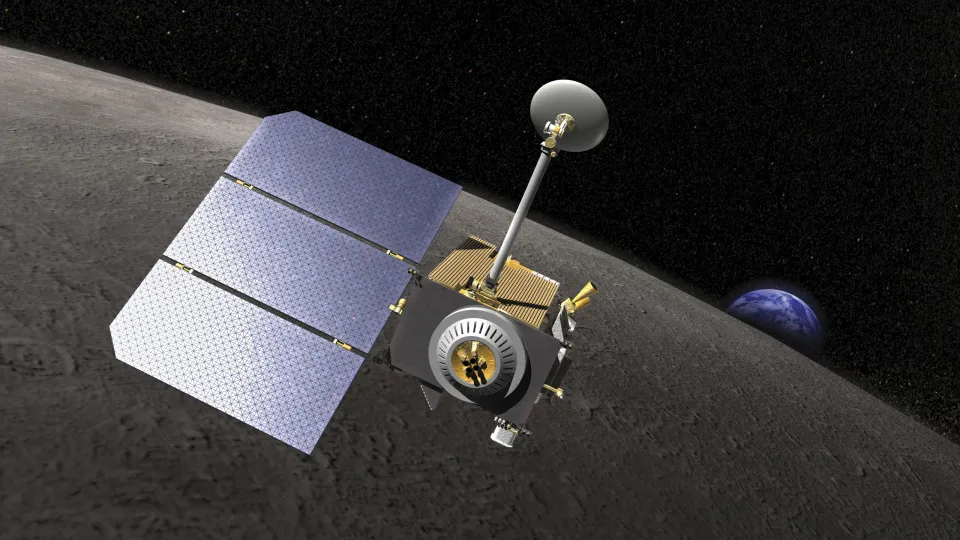
To photograph the site, engineers needed to tilt the probe during its passages at approximately 100 kilometers of altitude. The operation required precision because the LRO moves quickly over the Moon.
- According to NASA, a difference of just ten seconds when taking the image would be enough to move the target about 16 kilometers from the center of the photograph.
- Analysis of the images allowed us to estimate that the new crater is approximately 18 meters wide.
Editorial reading aid based only on information contained in this story and its identified source.
The records were made by the Lunar Reconnaissance Orbiter (LRO) between August 11th and 12th. To photograph the site, engineers needed to tilt the probe during its passages at approximately 100 kilometers of altitude.
The operation required precision because the LRO moves quickly over the Moon. According to NASA, a difference of just ten seconds when taking the image would be enough to move the target about 16 kilometers from the center of the photograph.
Analysis of the images allowed us to estimate that the new crater is approximately 18 meters wide. From the shadow projected inside, scientists concluded that the depth is less than three meters. The records also show material thrown out during the collision, including rocks and dust taken from different layers of the moon's soil.
© NASA
Part of the rocket has been in space since 2025
The equipment that reached the Moon was part of a Falcon 9 launched by SpaceX on January 15, 2025. The mission placed Firefly Aerospace's Blue Ghost 1 lunar module into space, as part of the Commercial Lunar Payload Services (CLPS) program, a NASA initiative that hires private companies to transport scientific equipment to the Moon.
After fulfilling its function, the upper stage remained on a trajectory far from Earth. Over time, the combination of gravitational forces and solar activity modified its orbit until it placed it on a collision course with the Moon.
The impact was not planned by NASA or SpaceX. Before the fall, however, the agency was already following the trajectory and had calculated that the object would reach the lunar surface close to the Einstein and Bell craters. The collision posed no risk to Earth.
Impact becomes opportunity for scientists
Although it was not scheduled, the episode offers researchers an opportunity to study more precisely how craters are formed.
As scientists know characteristics of the object that hit the surface, they can compare this information with the size and shape of the mark left on the Moon. The data helps to improve models used to understand impacts caused by meteorites, asteroids and other bodies.
The absence of an atmosphere also makes the Moon a particularly useful environment for this type of research. Objects that approach the surface do not suffer the same deceleration caused by the Earth's atmosphere and can reach the ground at high speed.
NASA also emphasizes that bringing equipment to the end of its operations through controlled impacts on the lunar surface is a technically accepted practice in certain circumstances. In the case of Falcon 9, however, the crash happened unplanned.
Part of a SpaceX rocket should have reached the Moon this Wednesday
Structure weighing around four tons, launched in January 2025, traveled at approximately 8,700 km/h and may have opened a crater of up to 40 meters on the lunar surface