Keeping the intestine functioning well is essential for health and well-being. Problems such as constipation, bloating and digestive discomfort can affect mood and quality of life. The good news is that a simple habit can make a difference: practicing physical activity regularly.
Is it difficult to do 'number 2'? Follow these tips from gastroenterologists
Keeping the intestine functioning well is essential for health and well-being. Problems such as constipation, bloating and digestive discomfort can affect mood and quality of life. The good news is that a simple habit can make a...
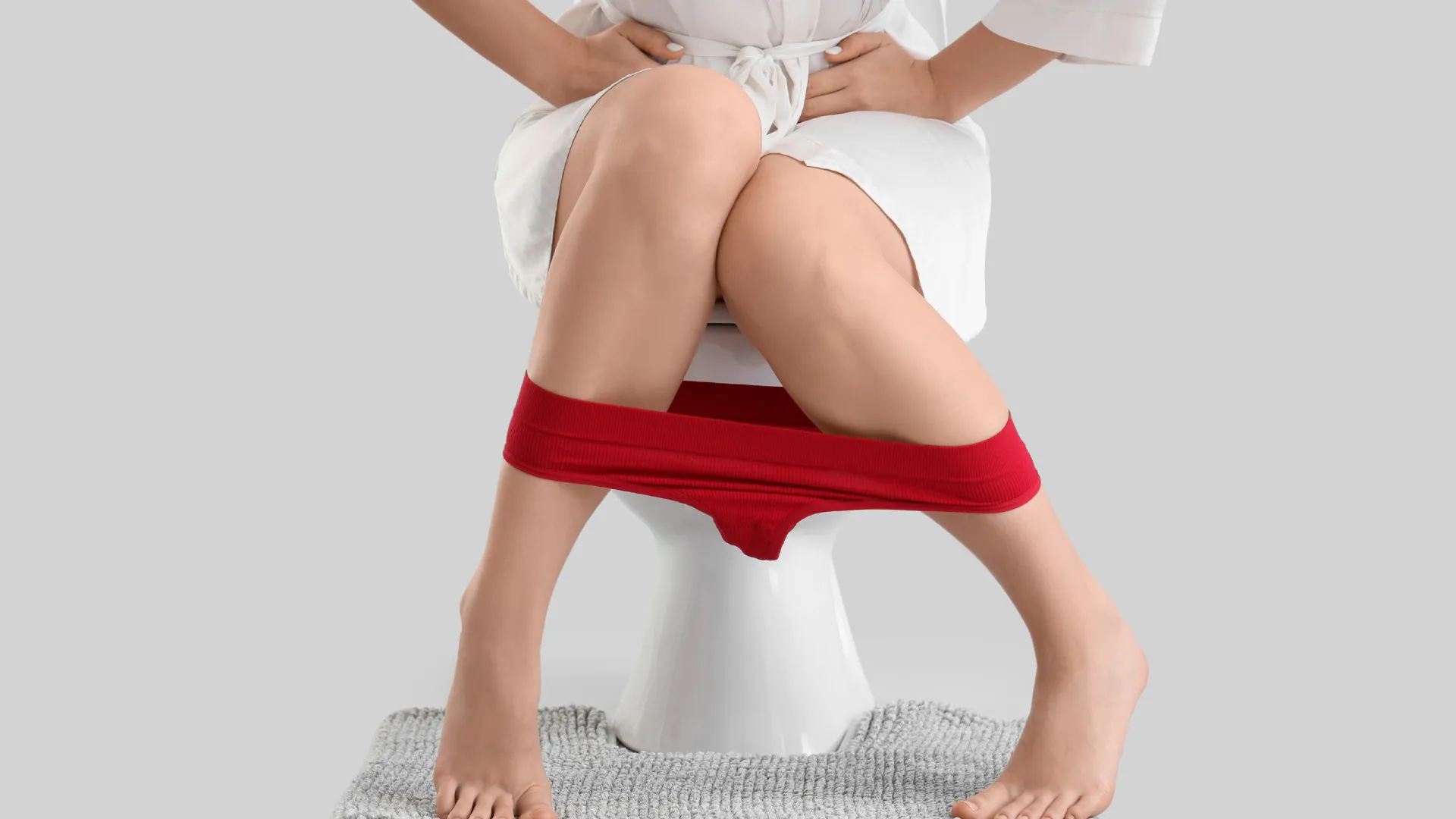
In addition to strengthening the body and helping to prevent various diseases, exercise also contributes to the functioning of the digestive system and promotes intestinal health. How physical activity benefits the intestine Stimulates bowel function If intestinal transit is slow, moving your body can help.
- Studies indicate that low and moderate intensity aerobic exercises, such as walking, swimming and cycling, stimulate intestinal motility.
- According to doctor David Clarke, physical activity promotes peristalsis, the natural movement of the intestinal muscles responsible for pushing food through the digestive system.
Editorial reading aid based only on information contained in this story and its identified source.
In addition to strengthening the body and helping to prevent various diseases, exercise also contributes to the functioning of the digestive system and promotes intestinal health.
How physical activity benefits the intestine
Stimulates bowel function
If intestinal transit is slow, moving your body can help. Studies indicate that low and moderate intensity aerobic exercises, such as walking, swimming and cycling, stimulate intestinal motility.
According to doctor David Clarke, physical activity promotes peristalsis, the natural movement of the intestinal muscles responsible for pushing food through the digestive system.
This process helps prevent constipation, reduces bloating and decreases the time that feces remain in the large intestine, facilitating evacuation.
Promotes protein digestion
Proteins are essential for a balanced diet, but some foods, such as red meat, tend to place greater demands on the digestive system.
Doctor Kenneth Brown says that light activities, such as walking, can speed up the digestion and absorption of proteins and amino acids.
According to him, this habit helps the body to process these nutrients more efficiently, reducing the time needed for digestion.
Helps manage stress
Stress is associated with several gastrointestinal problems, such as constipation, diarrhea, indigestion and irritable bowel syndrome.
Regular exercise helps reduce levels of cortisol, a stress-related hormone, and increases the release of endorphins, promoting a feeling of well-being and also benefiting the digestive system.
Contributes to a healthier microbiome
The gut is home to trillions of microorganisms important for digestion, immunity and overall health.
Research indicates that regular physical activity favors the balance of the intestinal microbiota, increasing the diversity of beneficial bacteria and creating a healthier environment in the digestive tract.
Strengthens the abdominal muscles
Exercises that work the abdominal region can also promote bowel function.
According to Kenneth Brown, strengthening the core improves metabolism, helps reduce abdominal fat and creates more favorable conditions for the development of beneficial bacteria, contributing to more efficient digestion.
Other measures to take care of the intestine
In addition to exercising, experts recommend:
maintain a diet rich in fiber; drink water throughout the day; include foods rich in probiotics in the diet, such as natural yogurt and kefir.
6 harmless habits that can disguise "high levels of anxiety"
Some behaviors seen as simple quirks can be linked to high levels of anxiety. Experts explain which signs deserve attention and when it is advisable to seek help