Ciguatera cases soar in RN Brunno Rocha/Inter TV Cabugi The Natal Health Surveillance released a list of fish species considered to be at lower risk for ciguatera poisoning. The guidance was published after the increase in cases of the disease in Rio Grande do Norte, which registered 141 occurrences until June 11 of this year, an increase of 60.2% compared to the entire year 2025, when 88 cases were recorded, according to the State Department of Public Health (Sesap). ? Click here to follow the g1 RN channel on WhatsApp Ciguatera is a poisoning caused by the ingestion of fish contaminated by ciguatoxin, a neurotoxin produced by marine microalgae. According to Sesap, the substance is invisible, does not change the color, flavor or smell of the fish and remains active even after cooking, freezing or salting. READ ALSO Ciguatera: find out what Sesap's symptoms and recommendations are in suspected cases Poisoning: cases of ciguatera spike in RN and Health issues warning High-risk fish Sesap recommends avoiding the consumption of the species most associated with cases recorded in the state: Bicuda (Barracuda) Arabaiana Dourado Red Snapper White Hake Galo do Alto Pargo Sirigado (Sea Bass) According to the Department of Health, the bicuda (barracuda) is responsible for 45.13% of confirmed cases of ciguatera in Rio Grande do Norte. Fish considered safer Tilapia Curimatã Tuna Mackerel Herring Manjuba Sesap also recommends removing the head, viscera and eggs of the fish, parts where there may be a greater concentration of the toxin. Since 2022, Rio Grande do Norte has reported 259 cases of ciguatera, distributed in 46 outbreaks, with two deaths recorded. Of this total, 113 cases were confirmed, according to data from the Notifiable Diseases Information System (Sinan). The Sesap survey shows that 64% of poisonings occurred after consuming fish at home, while 36% were related to meals in restaurants or other commercial establishments. Natal concentrates 52.21% of the state's notifications. Next appear the municipalities of Touros, Ceará-Mirim, Nísia Floresta, Parnamirim and Extremoz. Women represent 59.3% of records, and the most affected age group is adults between 20 and 59 years old, which accounts for 61.95% of cases. Symptoms Symptoms may appear between a few minutes and 48 hours after consuming contaminated fish. The main ones are: diarrhea; nausea and vomiting; intense itching; numbness in the mouth, hands and feet; body aches; thermal inversion, when hot is perceived as cold and vice versa. In more serious cases, a drop in blood pressure and a reduction in heart rate may occur. What to do In case of suspected poisoning, the Health Surveillance advises: seek medical attention immediately; report fish consumption in the last 48 hours; save leftover fish for analysis; report the case to the Strategic Health Surveillance Information Center (CIEVS).
Find out which fish are safest to avoid ciguatera poisoning
Ciguatera cases soar in RN Brunno Rocha/Inter TV Cabugi The Natal Health Surveillance released a list of fish species considered to be at lower risk for ciguatera poisoning. The guidance was published after the increase in cases of the...
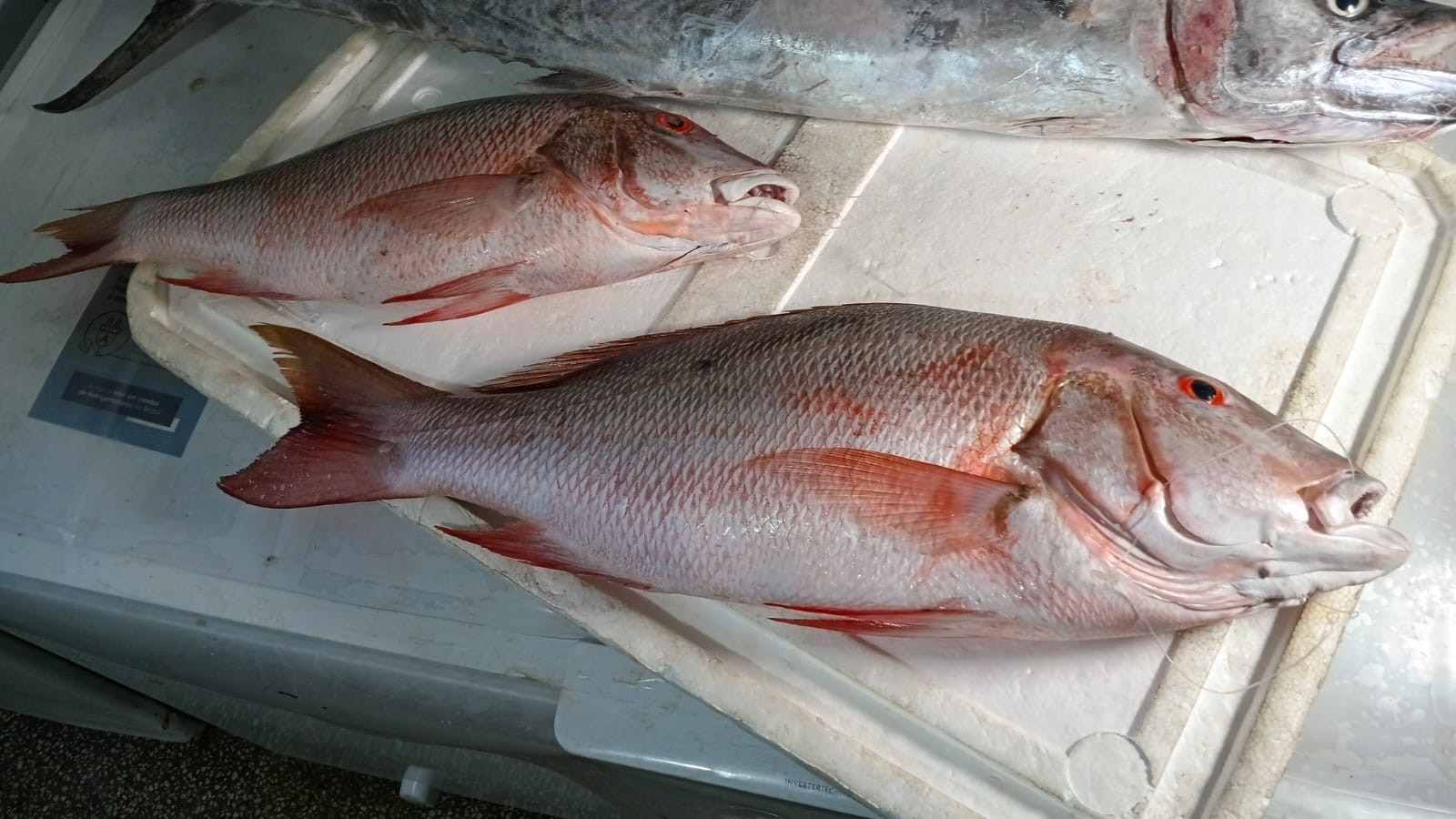
Click here to follow the g1 RN channel on WhatsApp Ciguatera is a poisoning caused by the ingestion of fish contaminated by ciguatoxin, a neurotoxin produced by marine microalgae. According to Sesap, the substance is invisible, does not change the color, flavor or smell of the fish and remains active even after cooking, freezing or salting.
- READ ALSO Ciguatera: find out what Sesap's symptoms and recommendations are in suspected cases Poisoning: cases of ciguatera spike in RN and Health issues warning High-risk fish Sesap...
- Fish considered safer Tilapia Curimatã Tuna Mackerel Herring Manjuba Sesap also recommends removing the head, viscera and eggs of the fish, parts where there may be a greater concentration...
Editorial reading aid based only on information contained in this story and its identified source.