(FOLHAPRESS) - The SBD (Brazilian Diabetes Society) updated this Wednesday (19) the clinical treatment guidelines for diabetes in Brazil. The rules serve as a parameter to guide doctors who treat patients with the disease, approximately 16 million people in the country.
Diabetes Society updates guidelines and includes combating obesity in treatment
(FOLHAPRESS) - The SBD (Brazilian Diabetes Society) updated this Wednesday (19) the clinical treatment guidelines for diabetes in Brazil. The rules serve as a parameter to guide doctors who treat patients with the disease, approximately 16...
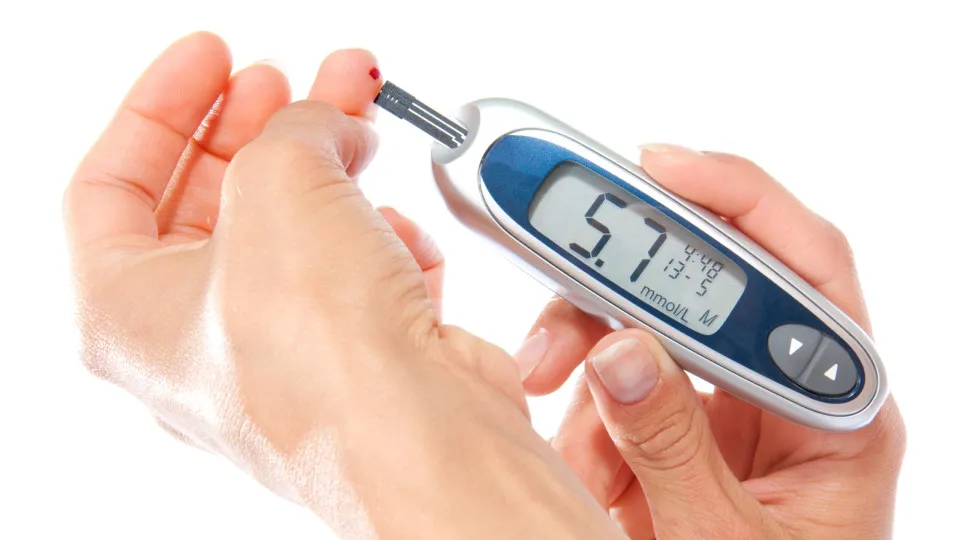
From now on, doctors will have to treat obesity together to prevent diabetes from worsening in those who already have the disease and prevent its onset in people with favorable conditions, such as pre-diabetics. Until then, management was optional, meaning doctors were not required to look at obesity during diabetes treatment.
- Diabetes is a set of changes that lead to hyperglycemia, which is an increase in the level of glucose (sugar) in the blood.
- This can occur either due to an insufficient production of insulin, which is the hormone that regulates glucose in the body, or due to an increase in the body's resistance to the action of...
Editorial reading aid based only on information contained in this story and its identified source.
The main change concerns type 2 diabetes, the most common among those diagnosed. From now on, doctors will have to treat obesity together to prevent diabetes from worsening in those who already have the disease and prevent its onset in people with favorable conditions, such as pre-diabetics.
Until then, management was optional, meaning doctors were not required to look at obesity during diabetes treatment.
Diabetes is a set of changes that lead to hyperglycemia, which is an increase in the level of glucose (sugar) in the blood. This can occur either due to an insufficient production of insulin, which is the hormone that regulates glucose in the body, or due to an increase in the body's resistance to the action of this hormone.
Type 2, which accounts for around 90% to 95% of diabetes cases, is marked by the body's resistance to the action of insulin. It is as if the body does not use the insulin produced. This type of diabetes is more closely associated with risk factors, such as cholesterol, hypertension, excess weight and a sedentary lifestyle, as well as a hereditary component in some cases. In general, type 2 diabetes is most often diagnosed after the age of 40.
For endocrinologist Marcello Bertoluci, coordinator of the SBD guidelines, the change in the guideline aims to broaden the view of what causes diabetes. In this sense, obesity is one of the main comorbidities.
"Until then, the focus of treatment was glycemic control. We are expanding the concept to excess adiposity (fat), which begins to make the individual dysfunctional, infiltrate the organs and cause injuries, such as cardiovascular disease and diabetes itself", explains the doctor.
"If a person's glucose level is a little high, obesity monitoring and treatment should begin to prevent them from becoming diabetic. And this should be done not only with guidance, but with active treatment, with medication prescription, if necessary", says Bertoluci.
The change occurs in a context of accelerated obesity in the country. The most recent Vigitel survey, released last year, showed that obesity grew 118% between 2006 and 2024 in Brazilian capitals. Obesity is one of the main risk factors for the development of type 2 diabetes, as it favors insulin resistance and increases the burden on the pancreas cells that produce the hormone.
In this equation, the recommendation is for doctors to use weight-loss pens to prevent the pre-diabetic patient from progressing to diagnosis. These medications, according to Bertoluci, enable the remission of an imminent illness and contribute to the health of the pancreas. Access, however, is still a problem, as the price of these medicines still makes them inaccessible to people with lower incomes, even though the entry of generics should put downward pressure on prices.
However, weight loss pens will not be the only ones used in pharmacological treatment. Outside the SUS (Unified Health System), they may not even be the main ones, but there are alternatives, such as dapagliflozin.
"What stands out is that you cannot wait for the patient to gain weight to treat obesity. You have to start earlier and avoid obesity", says the doctor.
CHANGES FOR PREGNANT WOMEN
Another highlight of the new guideline is the recommendation of contraceptives for women with glycated hemoglobin above 9. This index is associated with an up to six times greater risk of heart defects and prematurity. In these cases, it is preferable to postpone pregnancy until the level is below 6.
Glycated hemoglobin is a blood test that indicates the average glucose levels in the body over the last two to three months. The test is used to assess diabetes control and identify persistent changes in blood sugar.
5 habits that help metabolism and reduce the risk of diabetes
Some simple changes to your routine can help your body function better and even reduce factors linked to type 2 diabetes. An endocrinologist points out which habits deserve attention and explains why they can make a difference in metabolic health