Koizumi usually visits the shrine in Tokyo annually to mark the anniversary of the end of World War II (1939-1945) in Japan, on August 15, and on other occasions.
China files complaint with Japan after ministers visit to shrine
Koizumi usually visits the shrine in Tokyo annually to mark the anniversary of the end of World War II (1939-1945) in Japan, on August 15, and on other occasions. Minister of State for Okinawa and Northern Territories Hitoshi Kikawada also...
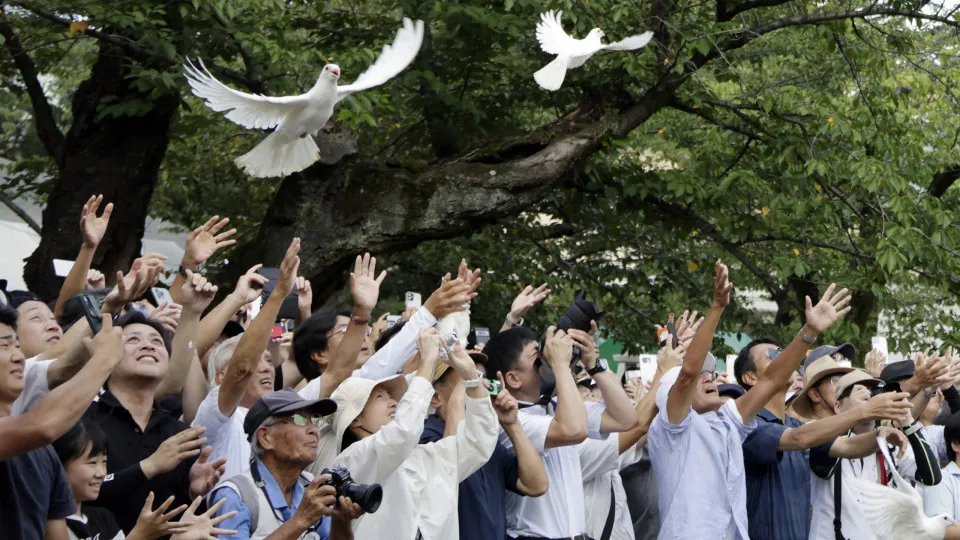
The Shinto shrine in Tokyo honors around 2.5 million soldiers who died in conflicts fought by Japan, but also preserves the memory of 14 Japanese officials and politicians convicted of war crimes by an international tribunal after World War II. In a statement, a spokesperson for China's Foreign Ministry highlighted that Yasukuni is, in reality, a place...
- In a statement, a spokesperson for China's Foreign Ministry highlighted that Yasukuni is, in reality, a place dedicated to "war criminals." Visits by Japanese officials to Yasukuni often...
- "No pretext can hide the true intention of Japanese politicians, which is to nullify the verdict on war criminals, cover up Japan's war crimes, distort historical facts and pave the way for...
- "This constitutes an affront to historical justice, a challenge to the fundamental norms of civilization and a provocation against the post-war international order.
Editorial reading aid based only on information contained in this story and its identified source.
Minister of State for Okinawa and Northern Territories Hitoshi Kikawada also visited Yasukuni, while Prime Minister Sanae Takaichi, known for holding revisionist views on Japan's militaristic past, sent an offering.
The Shinto shrine in Tokyo honors around 2.5 million soldiers who died in conflicts fought by Japan, but also preserves the memory of 14 Japanese officials and politicians convicted of war crimes by an international tribunal after World War II.
In a statement, a spokesperson for China's Foreign Ministry highlighted that Yasukuni is, in reality, a place dedicated to "war criminals."
Visits by Japanese officials to Yasukuni often provoke outrage in Beijing and Seoul, as China and the Korean peninsula were the scene of atrocities committed by Japanese military forces in the first half of the 20th century.
"No pretext can hide the true intention of Japanese politicians, which is to nullify the verdict on war criminals, cover up Japan's war crimes, distort historical facts and pave the way for accelerating remilitarization," the Chinese spokesperson emphasized.
"This constitutes an affront to historical justice, a challenge to the fundamental norms of civilization and a provocation against the post-war international order. Such conduct has been firmly rejected by the vast majority of the international community," he added.
In Beijing's view, reflecting on history and addressing it "correctly" was an "important requirement" for Japan's return to the international community after the conflict, constitutes the political basis of Tokyo's relations with neighboring countries, and is, above all, a "fundamental measure" for the archipelago's commitment to "peaceful development."
"We urge the Japanese side to seriously reflect on its history of aggression, make a decisive break with militarism and win the trust of its Asian neighbors and the rest of the world through concrete actions," concluded the Chinese spokesperson.
No sitting Japanese prime minister has visited Yasukuni since 2013, when a visit by Shinzo Abe to the shrine drew a rebuke from Tokyo's closest ally, the United States.
Tensions between China and Japan intensified in late 2025, when Sanae Takaichi suggested that Japanese forces could intervene in the event of a conflict in Taiwan.
Read Also: 7.7 magnitude earthquake leaves dozens dead in Indonesia