Cutting pills in half is a common practice among people who want to make swallowing easier, adjust doses or save medication. However, not all medicines can be safely divided, and the habit can compromise the effectiveness of the treatment and even cause health risks.
Can you cut a pill in half? See when the practice can bring risks
Cutting pills in half is a common practice among people who want to make swallowing easier, adjust doses or save medication. However, not all medicines can be safely divided, and the habit can compromise the effectiveness of the treatment...
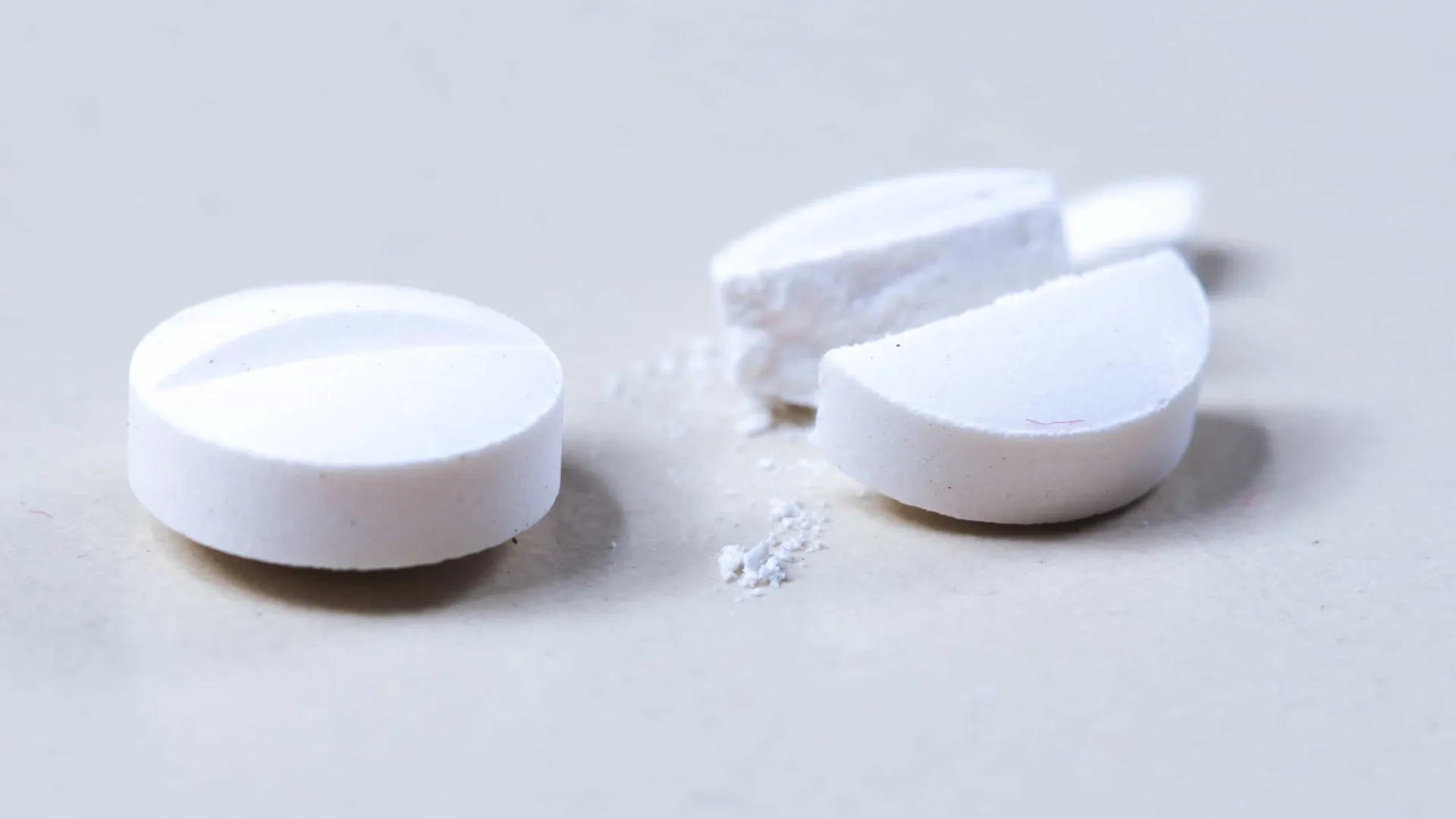
Some medicines have special coatings, controlled release mechanisms or specific distribution of active ingredients, characteristics that can be altered when the tablet is broken inappropriately. According to Ivan Olisan, professor of the Pharmacy course at Unopar, the division should only happen with professional guidance.
- "There are tablets designed to release the medication gradually into the body.
- When they are cut, this release can be compromised, increasing the risk of adverse effects or reducing the effectiveness of the treatment", he explains.
Editorial reading aid based only on information contained in this story and its identified source.
Some medicines have special coatings, controlled release mechanisms or specific distribution of active ingredients, characteristics that can be altered when the tablet is broken inappropriately.
According to Ivan Olisan, professor of the Pharmacy course at Unopar, the division should only happen with professional guidance. "There are tablets designed to release the medication gradually into the body. When they are cut, this release can be compromised, increasing the risk of adverse effects or reducing the effectiveness of the treatment", he explains.
According to the expert, medicines without a groove, which is the marking made on the tablet to facilitate division, require even greater attention, as the cut can result in unequal doses. Because of this, questions about medications should always be clarified with healthcare professionals. "Even habits considered simple can directly interfere with treatment. Correct guidance helps to ensure greater safety and effectiveness in the use of medications", he concludes.
Next, the teacher explains which tablets require the most attention before being divided:
Extended-release tablets
These medications are produced to release the active ingredient little by little into the body throughout the day. When the tablet is cut, this mechanism can be altered, causing rapid absorption of the substance and increasing the risk of adverse reactions.
Coated tablets
The coating is not just there to facilitate ingestion. In many cases, it protects the stomach, reduces irritation or prevents the medicine from being degraded before it reaches the intestine. When breaking the tablet, this protection may be lost.
Medicines without dividing groove
When the tablet does not have a specific marking for cutting, there is a greater chance of the division being irregular, causing one half to contain more medication than the other.
Capsules and medicines in special formats
Capsules, tablets and chewable medicines should normally not be opened or divided without professional guidance, as this may compromise the product's action.
Tablets stored after cutting
Once broken, medicines are more exposed to humidity, heat and contact with air, factors that can reduce their stability and effectiveness.
Safe alternative in the compounding pharmacy
According to Ivan Olisan, pharmacist CRF 3436, when there is a need for individual dose adjustment, a safer alternative than breaking tablets or opening capsules on your own is to turn to a compounding pharmacy. “The master pharmacy has technology, standardized raw materials and different sizes of capsules that allow the fractionation and customization of doses prescribed by the healthcare professional, ensuring greater precision and safety in the treatment”, he explains.
According to the pharmacist, manipulation allows the exact dose needed for each patient to be prepared, avoiding variations that can occur when tablets are divided manually. Furthermore, the process follows strict quality controls, from weighing the active ingredients to encapsulation, ensuring uniformity and stability of the formulation.
“In many cases, when the patient has difficulty swallowing pills, requires intermediate doses or needs a specific adaptation of the prescription, the master pharmacy can offer individualized solutions, respecting the pharmacotechnical characteristics of each substance and contributing to better adherence to treatment”, highlights Ivan.
The specialist reinforces, however, that any change in the way the medication is used should only be carried out with the guidance of a doctor or pharmacist. "Not all medicines can be divided or manipulated in the same way. Therefore, technical evaluation is essential to ensure that the efficacy and safety of the treatment are preserved", he concludes.
Read Also: 60% of Brazilians feel anxious when away from their cell phones, study shows