When we think about bullying, it is common to imagine situations of aggression, exclusion or humiliation already in place. However, prevention does not start when the problem appears. It starts much earlier, in the way we teach children to live together, respect differences and deal with everyday conflicts. A game that stops being fun for one of the children, a colleague who is constantly excluded from the group or nicknames that cause embarrassment are situations that require attention from adults. More than observing isolated behaviors, it is important to understand the relationships established between children and notice changes that may indicate some type of suffering. It is important to understand that not every disagreement between children constitutes bullying. Conflicts are part of human relationships and are present in any living environment. They arise when opinions, interests or desires clash. When conducted well, they can become valuable learning opportunities. Bullying, on the other hand, involves repeated, intentional aggressions marked by an imbalance of power, causing suffering to the victim. Therefore, its prevention requires more than surveillance: it requires education, monitoring and safe spaces for dialogue. In this process, school and family play complementary roles. Values ??such as respect, empathy, responsibility and cooperation are not learned just through speeches. They need to be experienced daily in the relationships established between children and adults. "Preventing bullying means building a culture of respect even before more serious situations happen. When children find space to talk about their feelings, reflect on their attitudes and understand the impact of their actions, we are contributing to healthier relationships inside and outside of school", highlights the school's spokesperson, in an official statement. Children's behavior can also show signs Adult attention is essential because a child is not always able to clearly state that they are facing a difficult situation. Sudden changes in behavior, resistance to going to school, drop in academic performance, isolation, mood changes or loss of interest in activities that were previously enjoyable may indicate that something needs to be observed more carefully. These signs do not necessarily mean the existence of bullying, but they can serve as a starting point for the family and school to approach the child, talk and try to understand what is happening. At the EMAK School, ethical training is understood as an inseparable part of academic training. Therefore, the institution invests in practices that help students understand their feelings, recognize the impact of their actions on others and develop skills for respectful coexistence. Class assemblies, for example, create spaces for dialogue in which students can express opinions, discuss collective problems and participate in the construction of solutions. Likewise, everyday conflicts are treated as opportunities for reflection and learning, and not just as situations that require punishment. Classes focused on ethical and socio-emotional development, coexistence projects and actions that encourage cooperation, respect for differences and responsible participation in school life are also part of this work. "When a conflict happens, simply identifying who made a mistake and applying a consequence may not be enough. It is important to help students understand what happened, what feelings were involved and how their actions affected other people. This process is also part of education", explains the statement. School and family need to walk together Prevention also involves building a relationship of trust between the school and families. When there is dialogue, parents, guardians and educators are able to share perceptions about changes in behavior and act more quickly when faced with situations that deserve attention. At home, simple attitudes can also contribute to this process. Listening to children without judgement, talking about relationships with colleagues, observing changes in behavior and teaching, by example, respect for differences are some of them. Likewise, it is important that children know that they can seek out an adult when they are facing a difficult situation or witness a colleague being constantly humiliated, excluded or attacked. No school can completely eliminate conflicts. But it is possible to build environments in which children feel like they belong and learn to deal with frustrating situations in a healthy way, developing skills that they will carry throughout their lives. Combating bullying isn't just about stopping inappropriate behavior after it happens. It means continually working to train people capable of recognizing the dignity of others, acting with empathy, respecting differences and taking responsibility for their attitudes. Because respectful coexistence does not come about by chance. It is built every day, through dialogue, example, relationships and education.
Bullying: fighting starts long before the first conflict
When we think about bullying, it is common to imagine situations of aggression, exclusion or humiliation already in place. However, prevention does not start when the problem appears. It starts much earlier, in the way we teach children to...
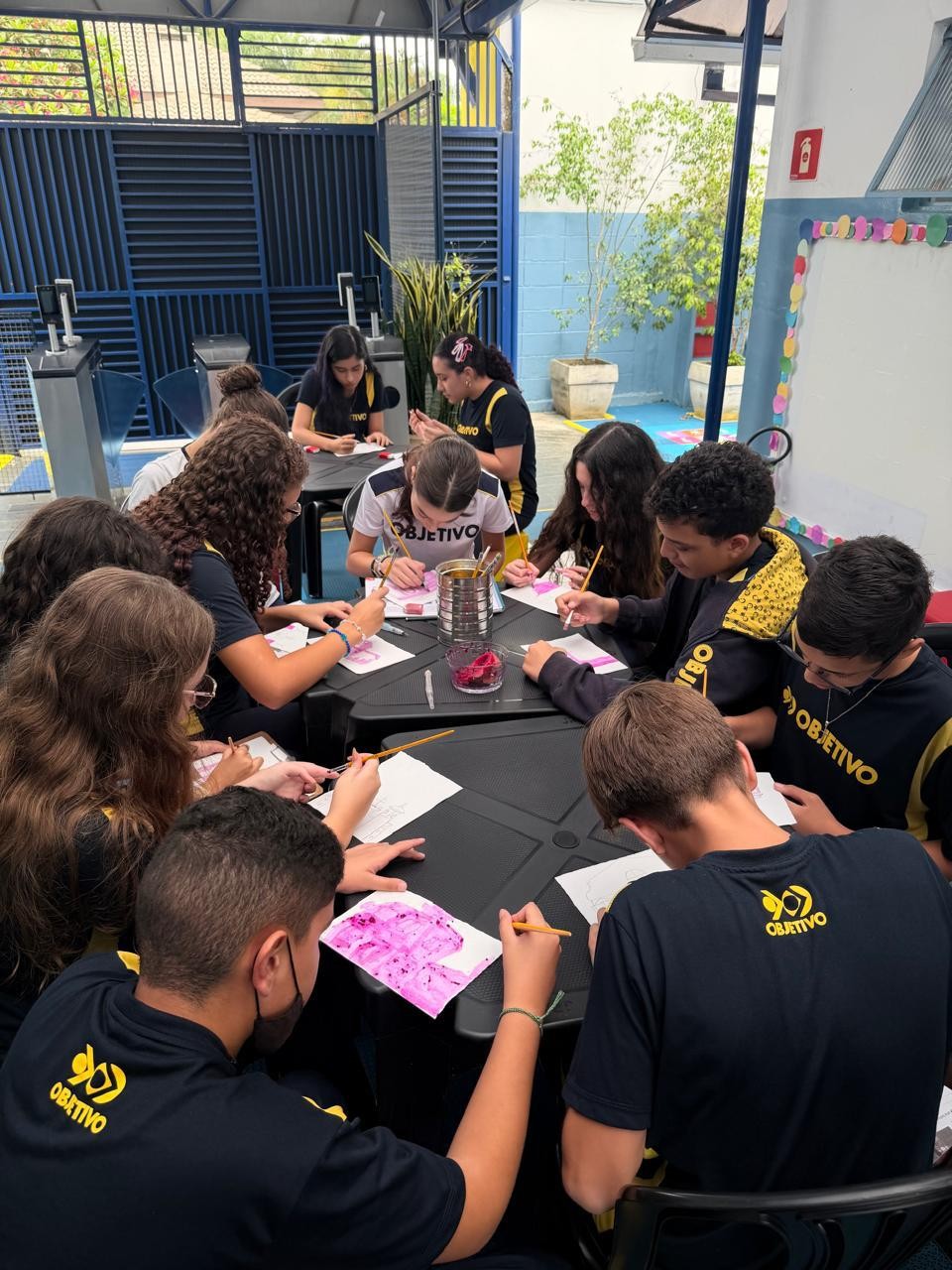
A game that stops being fun for one of the children, a colleague who is constantly excluded from the group or nicknames that cause embarrassment are situations that require attention from adults. More than observing isolated behaviors, it is important to understand the relationships established between children and notice changes that may indicate some type...
- It is important to understand that not every disagreement between children constitutes bullying.
- Conflicts are part of human relationships and are present in any living environment.
Editorial reading aid based only on information contained in this story and its identified source.