Feline acne: veterinary dermatologist from Presidente Prudente (SP) explains the possible causes Personal archive/Bruna Marina Ferrari Do you know those little black dots that can appear on a cat's chin? There's a name for this: feline acne. To g1, a veterinary dermatologist from Presidente Prudente (SP) explains the possible causes and treatments to guarantee the animal's health. Feline acne, despite the similar name, is different from human acne, starting with its location. “Most of the time, feline acne occurs in the chin region, unlike in humans, which can occur across the entire face,” describes specialist Luís Felipe da Costa Zulim. ? Join the g1 Presidente Prudente e Região channel on WhatsApp The initial process of inflammation can even be similar to that of humans, when there is an increase and retention of keratin within the follicle. “With this accumulation, we have the formation of what we call ‘comedos’ or ‘comedones’, which is the obstruction of the follicle”, continues the veterinarian. From the comedos, also known as blackheads, follicular rupture occurs, according to the specialist. “Subsequently, with the inflammatory process, we have bacterial infection, which can worsen the condition”, he warns. The cause of feline acne is not yet well understood by veterinary medicine, but, according to Luís Felipe, some factors may contribute, such as: allergic skin diseases; parasitic causes (mites/scabies); accumulation of sebaceous content in the region; lack of hygiene (in elderly or immunosuppressed animals); factors such as stress. "Treatment can vary according to the lesion pattern and extent, and severity. From local cleaning/hygiene, to the use of antiseptics and antibiotics", describes the specialist. READ ALSO: Pet skincare: veterinarian from SP uses social media to teach skin care for dogs and cats Prudente veterinarian uses social media to teach skin care for dogs and cats The disease is considered relatively common, according to veterinarian Luís Felipe. “Cats are less likely to suffer from skin diseases compared to dogs, however, as the number of cats per family is increasing, the search for care for this species has also increased.” “Some cats present the disease chronically and recurrently, requiring maintenance treatment, as well as frequent cleaning on site”, he continues. Fortunately, the inflammation is not transmissible to other cats or other animals; however, the veterinarian reinforces: “Dermatological treatment in feline patients must always be individualized, as cats do not tolerate some treatments and excessive manipulation as dogs.” Feline acne Beatriz Santos/Arte g1 Change in the family's routine Three-year-old kitten Frajola Gabrielly was diagnosed with feline acne at the “peak of adolescence”, at nine months of age, in October 2023, when owner Bruna Marina Ferrari, 29 years old, noticed some black dots on the animal's chin. “At first, I thought it was dirt, I tried to clean it with cotton and water, but it didn't come off. The next day, I noticed that she started to itch a lot; In desperation, she ended up hurting her chin area", she highlights. The pet avoided drinking water to avoid getting the area wet and making the discomfort worse. "As my other cat, Arya, was already undergoing dermatological follow-up with Dr. Zulim, I didn't think twice, I took Gaby straight to him for evaluation. I was afraid it was something more serious.” The frajola treatment lasted approximately 15 days, with the support of the “pet mother”, who followed all the feline skincare tips prescribed by the veterinary dermatologist. “When I sought care for her and received all the guidance, I felt calmer.” “One of the guidelines was in relation to feeders/drinkers; I replaced the old ones, which were made of plastic, with stainless steel/porcelain, as the plastic ones are porous, accumulate a lot of fat and bacteria, which influence feline acne", reinforces doctor Bruna, the cat's owner. Based on veterinary guidance, Bruna was able to guarantee an even healthier quality of life for her little companions. "Today I am more strict about the hygiene of feeders/drinkers, I always check Gabrielly's chin to see if she has acne, I clean the area when necessary and follow up with a veterinarian regularly", he adds. 'Pet mother' Bruna Marina Ferrari next to frajolinha Gabrielly Personal archive/Bruna Marina Ferrari Care for prevention Care with the material of feeders/drinkers is reinforced by veterinary dermatologist Luís Felipe, as described by frajola's owner. "Hypersensitivity to the material of the feeder can occur, especially those made of plastic that fade or release color, but this is not a good idea. this cause was elucidated.” According to the expert, to avoid possible inflammation, the ideal feeders are those made of materials that facilitate regular cleaning and do not accumulate “biofilm”, such as those made of crockery, glass, stainless steel and, if made of plastic, those of the best quality. “Prevention is local hygiene; However, cats are a 'self-cleaning' species, so I would say prevention is general health care, immunity and regular inspection if there are any changes, so we can intervene early.”
Black dots on the chin? Understand what feline acne is and how to prevent the problem
Feline acne: veterinary dermatologist from Presidente Prudente (SP) explains the possible causes Personal archive/Bruna Marina Ferrari Do you know those little black dots that can appear on a cat's chin? There's a name for this: feline...
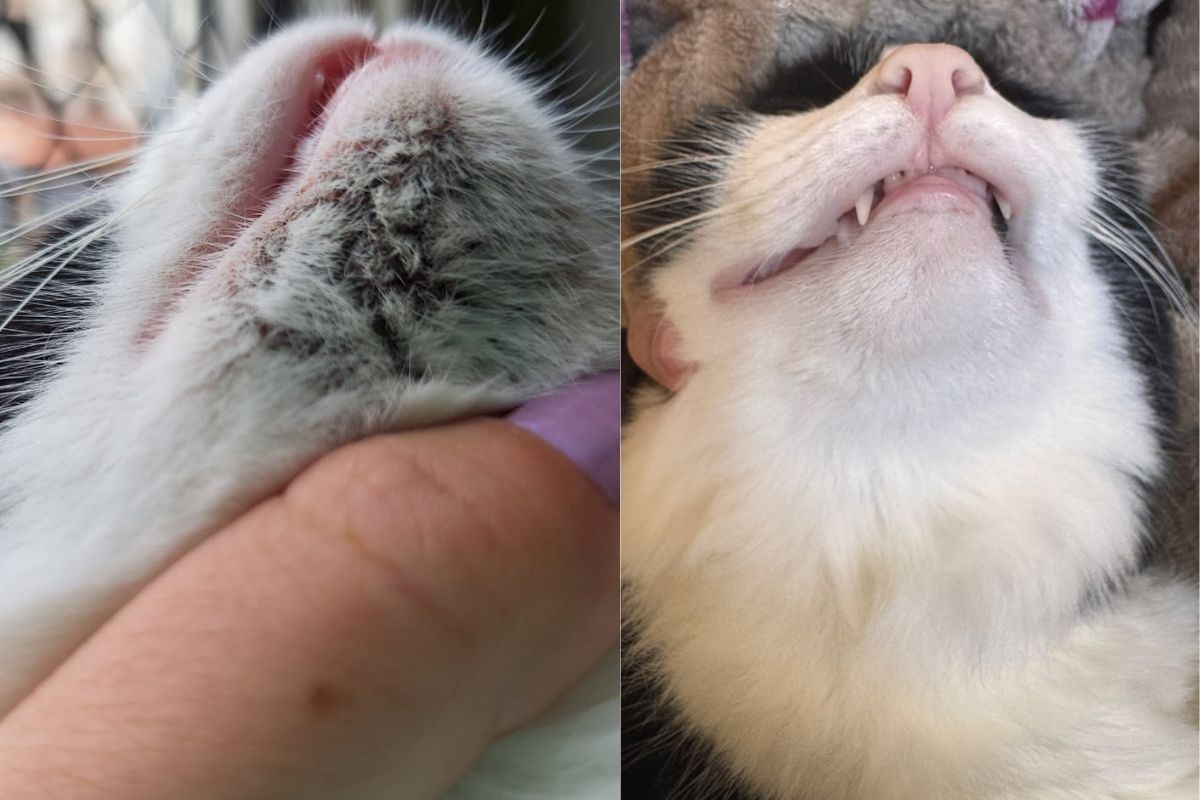
Feline acne, despite the similar name, is different from human acne, starting with its location. “Most of the time, feline acne occurs in the chin region, unlike in humans, which can occur across the entire face,” describes specialist Luís Felipe da Costa Zulim.
- Join the g1 Presidente Prudente e Região channel on WhatsApp The initial process of inflammation can even be similar to that of humans, when there is an increase and retention of keratin...
- “With this accumulation, we have the formation of what we call ‘comedos’ or ‘comedones’, which is the obstruction of the follicle”, continues the veterinarian.
Editorial reading aid based only on information contained in this story and its identified source.