With the arrival of warmer days, it is common to notice an increase in flies indoors, especially in areas close to the kitchen. In addition to cleaning and caring for exposed food, some aromatic plants can work as allies to make these spaces less inviting to insects.
Aromatic plants can help keep flies away from your home; see 4 options
With the arrival of warmer days, it is common to notice an increase in flies indoors, especially in areas close to the kitchen. In addition to cleaning and caring for exposed food, some aromatic plants can work as allies to make these...
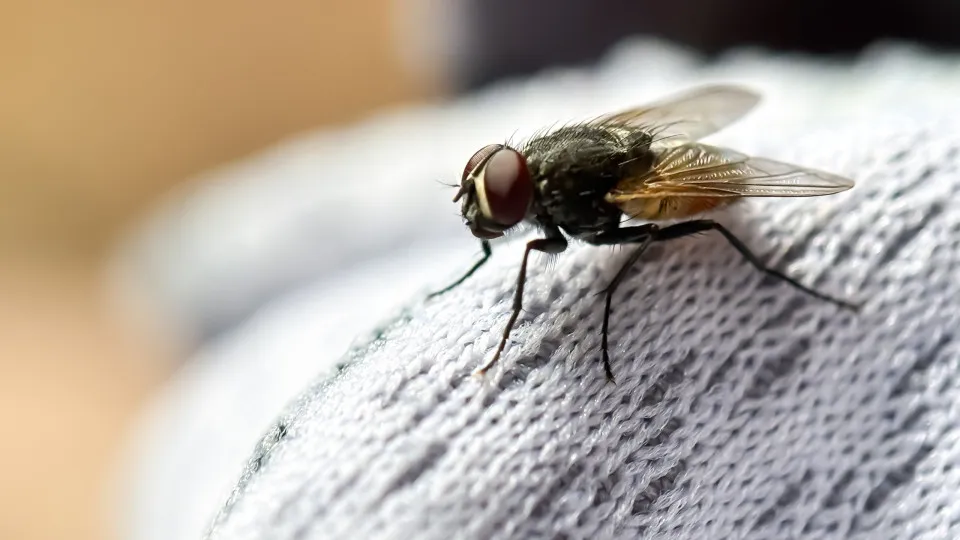
A publication on the Ideias e Dicas do Lar page brought together four species known for their strong smell and which can be placed in strategic points in the home, such as windows, balconies and areas close to the kitchen. Basil In addition to being widely used in cooking, basil releases an intense aroma that can bother flies.
- The pots can be kept close to windows or in places with good light, allowing the plant to also be accessible for use in recipes.
- Lavender Known for its characteristic scent, lavender also appears among the plants used as a natural alternative to ward off insects.
Editorial reading aid based only on information contained in this story and its identified source.
A publication on the Ideias e Dicas do Lar page brought together four species known for their strong smell and which can be placed in strategic points in the home, such as windows, balconies and areas close to the kitchen.
See what they are:
1. Basil
In addition to being widely used in cooking, basil releases an intense aroma that can bother flies.
The pots can be kept close to windows or in places with good light, allowing the plant to also be accessible for use in recipes.
2. Lavender
Known for its characteristic scent, lavender also appears among the plants used as a natural alternative to ward off insects.
The species can be grown in pots and placed near doors, windows or other entry points for flies.
3. Rosemary
The strong smell of rosemary can also help keep flies away from certain environments.
Another advantage is that the plant requires little care and can be used as a seasoning in everyday life.
4. Arruda
Rue completes the list because of its very characteristic odor, considered unpleasant to some insects.
Therefore, the recommendation is to keep pots in strategic locations around the house, especially where the presence of flies tends to be greater.
Homemade mosquito repellent
Another popular natural option for dealing with insects is a mixture of coconut oil and peppermint essential oil.
Shannon Harlow-Ellis, technical expert at the pest control company Mosquito Joe, cited on Martha Stewart's website, recommends combining 1/3 cup of coconut oil with 15 drops of peppermint essential oil.
The mixture remains more liquid at room temperature and may solidify when stored in the refrigerator. According to the expert, the product can be applied to the skin.
Essential oils, however, can cause irritation or reactions in some people. Therefore, it is recommended to do a test on a small area of ??the skin before wider application and avoid use in case of sensitivity.
5 natural remedies that help soothe insect bites
Banana peel, basil, honey, ice and a mixture of milk and water are among the homemade alternatives that can reduce itching, swelling and irritation caused by mosquitoes and other insects.