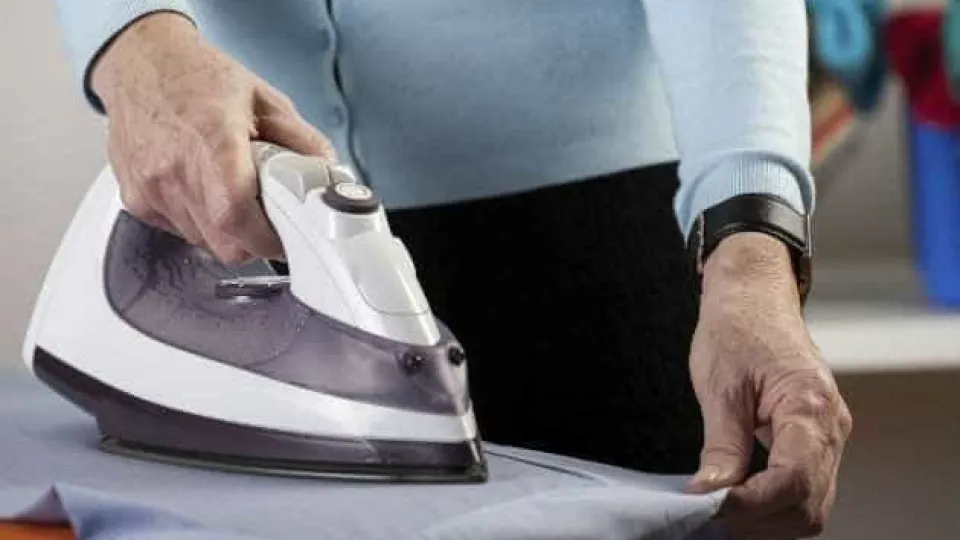
The iron can have other uses at home besides removing creases from fabrics. The heat produced by the device can help with some household tasks, especially in removing residue and marks left on different surfaces.
An iron can be useful far beyond clothes; see how to use
The iron can have other uses at home besides removing creases from fabrics. The heat produced by the device can help with some household tasks, especially in removing residue and marks left on different surfaces. Sarah McAllister, founder...
Before testing any of them, however, it is necessary to observe the type of material and use appropriate temperatures to avoid damage. Removing white marks on wooden furniture Those whitish stains left by hot glasses or objects on wooden furniture may be related to moisture trapped in the finish.
- One way to try to reduce them is to place a thin cotton cloth over the affected area and use a heated iron, without using steam.
- Between one application and another, it is important to check the surface to prevent excess heat from damaging the wood.
Editorial reading aid based only on information contained in this story and its identified source.
Sarah McAllister, founder and CEO of GoCleanGo, shared with Martha Stewart's website some ways to use the appliance in your cleaning routine. Before testing any of them, however, it is necessary to observe the type of material and use appropriate temperatures to avoid damage.
Removing white marks on wooden furniture
Those whitish stains left by hot glasses or objects on wooden furniture may be related to moisture trapped in the finish.
One way to try to reduce them is to place a thin cotton cloth over the affected area and use a heated iron, without using steam.
Contact should happen for short periods. Between one application and another, it is important to check the surface to prevent excess heat from damaging the wood.
Recover marks left on the carpet
Heavy furniture can compress carpet fibers and leave small depressions where your feet rest.
To help the fibers regain their shape, the specialist recommends placing a damp cloth over the mark and applying steam.
Once the fibers are more flexible, they can be gently lifted with your fingers to try to level the surface again.
Removing candle wax from fabrics and carpets
Wax spills can also be treated with the help of iron. The first step is to wait for the material to cool and harden. Trying to remove it while it's still hot can spread the residue even further.
When the wax is solid, carefully remove the excess with a spoon. Then, place a clean paper bag or cloth over the area and iron at a low temperature.
Heating helps to melt the rest of the wax, which tends to be absorbed by the paper or fabric placed on top.
If a grease mark remains, the recommendation is to gently clean the area with a damp cloth or a small amount of detergent suitable for the material.
Remove crayon marks
Those who have children at home can also use a similar technique to deal with crayon residue on some surfaces or fabrics.
The principle is the same as that used to remove candle wax: protect the area and apply moderate heat to soften the material before removal.
Before carrying out the procedure, it is recommended to check whether the surface can withstand heat.
Facilitate the removal of adhesive residue
Remnants of labels and stickers can be difficult to remove from certain furniture. In these cases, iron can help soften the glue.
The technique consists of placing a sheet of baking paper over the residue and applying the iron at a low temperature. Once the glue is heated, removal tends to become easier.
In all cases, iron should be used with caution. Testing first on a small, less visible area and respecting the characteristics of each material helps reduce the risk of stains, burns or other damage.