Acetone is mainly known for removing nail polish, but it can also be useful in different household tasks. Cleaning experts interviewed by the Southern Living blog highlighted some lesser-known applications of the product.
Acetone goes beyond nails: see surprising uses for cleaning
Acetone is mainly known for removing nail polish, but it can also be useful in different household tasks. Cleaning experts interviewed by the Southern Living blog highlighted some lesser-known applications of the product. Before using it,...
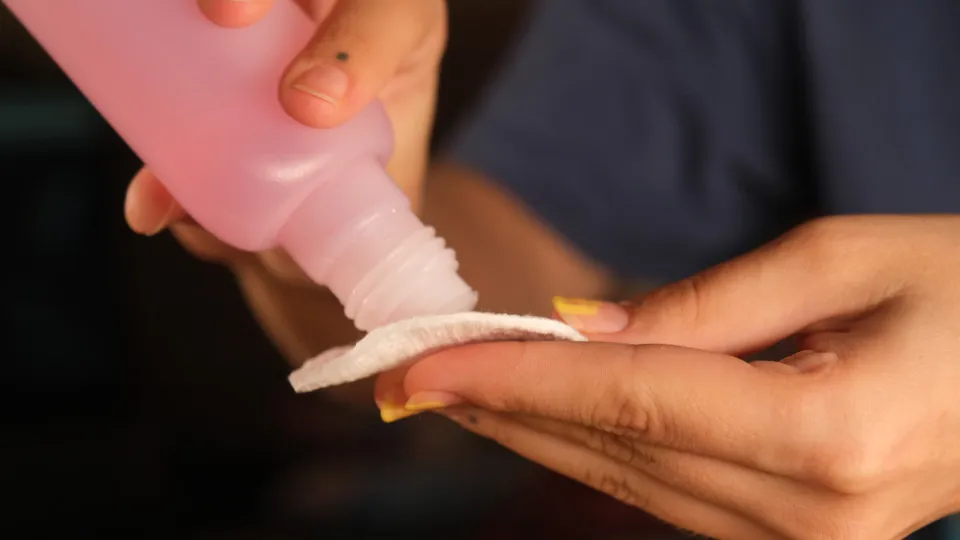
Acetone is flammable, can irritate the skin and respiratory tract and should not be mixed with other products. The ideal is to always test a small amount on a hidden area of ??the surface.
- Removing stains and marks Acetone can help remove stains and small scratches from tough surfaces like tile and vinyl floors.
- On delicate materials, however, the product can cause damage.
Editorial reading aid based only on information contained in this story and its identified source.
Before using it, however, it is important to take some precautions. Acetone is flammable, can irritate the skin and respiratory tract and should not be mixed with other products. The ideal is to always test a small amount on a hidden area of ??the surface.
Removing stains and marks
Acetone can help remove stains and small scratches from tough surfaces like tile and vinyl floors. On delicate materials, however, the product can cause damage.
Interior designer Chantelle Hartman Malarkey recommends avoiding use on hardwood floors altogether. Todd Saunders, an executive in the coatings sector, says that acetone can also be effective in removing marks on glass and mirrors.
Coffee and tea stains
Old coffee and tea marks on mugs can also be removed with the help of acetone. The recommendation is to apply a small amount, rub carefully and wash the utensil very well with water and detergent before using it again.
Bathtub cleaning
Acetone can be used to remove some stains from the bathtub, as long as the environment is well ventilated. Doors and windows must remain open during application to reduce inhalation of vapors.
Other uses
The product can also help remove glue residue left by labels, clean some stains on pans and remove dirt from certain metal objects.
There are still people who use acetone to clean razor blades, but experts warn that it should not be treated as a disinfectant. The product does not replace adequate hygiene methods or specific products to eliminate microorganisms.
Care when using acetone
Despite the different applications, acetone requires attention. As it is highly flammable, it must be kept away from fire, sparks, heat and other materials that could increase the risk of fire.
Direct contact may cause skin irritation. Inhaling the vapors can cause burning in the eyes, nose and throat, as well as coughing, headache and dizziness.
In cases of intense exposure, confusion, difficulty in coordination, slurred speech, slow breathing, drop in blood pressure and loss of consciousness may occur. Therefore, the product must be used in small quantities, in ventilated places and always kept out of the reach of children and animals.
4 everyday cleaning tasks that are good for your health
Studies indicate that household tasks such as organizing the room, washing the dishes and cleaning the floor can reduce stress, improve focus, stimulate body movement and help with emotional balance on a daily basis.