Manaus Industrial Hub grows 10.4% by August 2025 and reaches revenue of R$ 147.6 billion Disclosure/Suframa The proposal to create an Industrial Bureaucratization Secretariat in Manaus is based on a diagnosis that is difficult to dispute: for a city that is home to one of the main industrial parks in the country, facilitating the business environment, reducing obstacles and responding more quickly to those who intend to invest should be a permanent priority. The question that deserves to be discussed is another: is creating a new secretariat the best way to achieve this objective? Will it actually be the solution? The announcement was made by Mayor Renato Junior during the 324th Ordinary Meeting of the Suframa Board of Directors (CAS), held on August 14th. At the time, the mayor stated that he intends to forward the proposal to the Manaus City Council (CMM) in September. The new structure would have the function of guiding and managing the demands of industries interested in establishing themselves in the capital of Amazonas. ? Join the g1 AM channel on WhatsApp The intention is positive. Manaus needs, in fact, to dialogue better both with those who already produce in the city and with those who are considering bringing in new investments. A factory does not start operating just with the approval of an industrial project or the announcement of an investment. Between the business decision and the start of production there is a path that may involve choosing land, engineering projects, licenses, authorizations, works, infrastructure and environmental, tax and urban planning requirements. Time and competitiveness Time, in this process, is also competitiveness. But this is precisely why the proposal will need to be accompanied by clear objectives and measurable results. The risk to be avoided is that an initiative created to simplify processes becomes just another structure within the municipal administration. To date, City Hall has not publicly detailed the competencies, structure, budget, functional framework or service flows of the future secretariat. These answers will depend on the project that will be sent to the Chamber and, if approved, any subsequent regulation. Manaus does not start from scratch in terms of reducing bureaucracy. City Hall already has systems and bodies with responsibilities related to the business environment. The Municipal Integrated Licensing System (SLIM), managed by the Municipal Department of Finance, Planning and Information Technology (Semef), electronically integrates requests, analyses, requirements, opinions and issuance of licenses. The platform uses information from the National Network for the Simplification of Registration and Legalization of Companies and Businesses (Redesim) and brings together steps related to different types of municipal licensing. Among the institutional objectives disclosed by the administration itself are the expansion of SLIM's functionalities, the advancement of integration with Redesim, the continuous reduction in the time it takes to open companies and the improvement of the business environment. If these instruments already exist, the first question should be simple: what specific bottlenecks justify the creation of a new secretariat? This answer will be fundamental during the discussion at the City Council. What processes will go through the new structure? What steps could be simplified or eliminated? What deadlines do you intend to reduce? Will the secretariat have the authority to coordinate municipal bodies or will it function mainly as an interlocutor for companies? Will it absorb existing assignments or create a differentiated service flow? These are necessary questions to evaluate the proposal, and not anticipated conclusions about a project whose content has not yet been publicly presented in detail. Reducing bureaucracy does not necessarily mean reducing the number of public bodies. But it also cannot mean creating yet another door through which the entrepreneur will need to pass. Actors and roles In the case of Manaus, there is a particularity that makes this discussion more complex: the Manaus Industrial Pole (PIM) is not under the responsibility of a single sphere of government. The Superintendency of the Manaus Free Trade Zone (Suframa), the federal agency responsible for administering the incentives under its jurisdiction, analyzes and monitors the industrial projects benefiting from the model. It also verifies compliance with the Basic Production Processes (PPBs) by the incentivized companies and manages the lots in the Industrial District that are under its jurisdiction. Suframa participates in the Interministerial Technical Group responsible for examining and proposing the establishment or change of PPBs. The final decision, however, rests with the Ministries of Development, Industry, Commerce and Services and Science, Technology and Innovation. The federal government is responsible for an important part of the industrial and tax policies related to the model. The Government of Amazonas operates in areas such as state incentives, infrastructure, economic development and environmental licensing, according to the division of competencies. The City Hall, in turn, has urban planning, tax and municipal licensing responsibilities - including environmental, in cases within its competence -, in addition to being responsible for services that directly interfere in the routine of companies and workers. With so many institutions operating at different levels, it is precisely in the meeting - or lack of coordination - between these competencies that delays, overlaps and doubts can arise. The investor wants to produce. The entrepreneur is not interested in going through the administrative division between federal, state and municipal agencies to find out who should solve a given problem. He needs to know which institution will be responsible for the response, how long the process will take and when he can start producing. A proposal that could be promising If the future secretariat functions as an effective coordination body, capable of monitoring investments
Can a new secretariat facilitate the installation of industries in Manaus?
Manaus Industrial Hub grows 10.4% by August 2025 and reaches revenue of R$ 147.6 billion Disclosure/Suframa The proposal to create an Industrial Bureaucratization Secretariat in Manaus is based on a diagnosis that is difficult to dispute:...
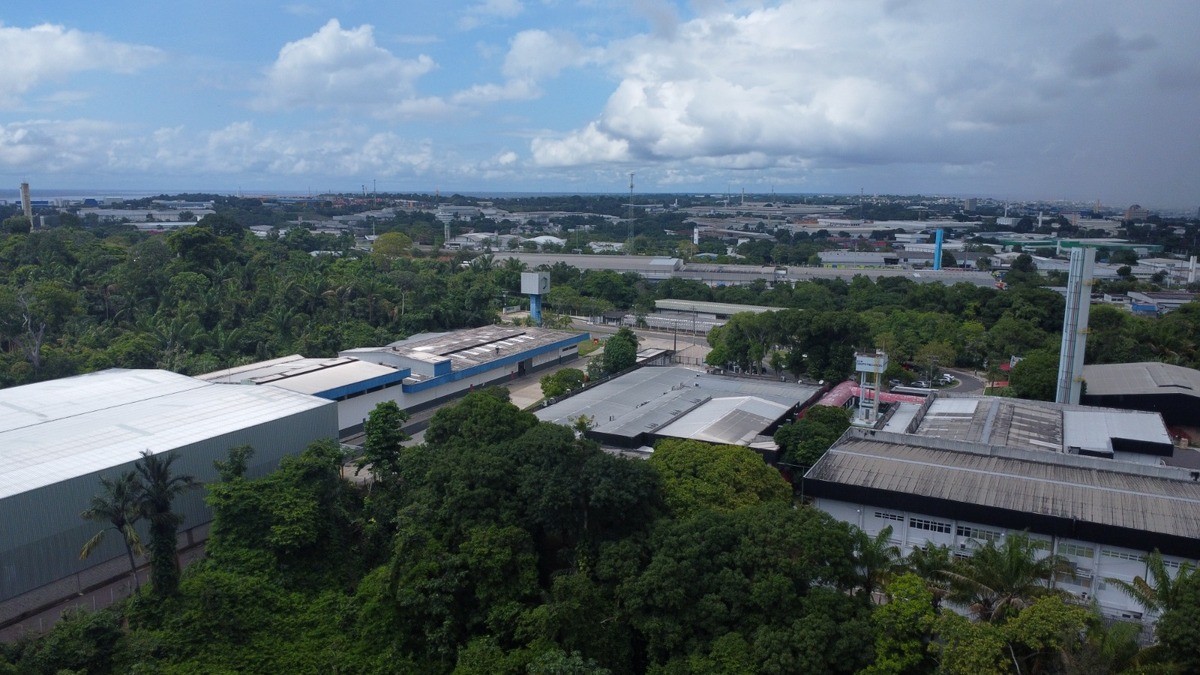
The announcement was made by Mayor Renato Junior during the 324th Ordinary Meeting of the Suframa Board of Directors (CAS), held on August 14th. At the time, the mayor stated that he intends to forward the proposal to the Manaus City Council (CMM) in September.
- The new structure would have the function of guiding and managing the demands of industries interested in establishing themselves in the capital of Amazonas.
- Join the g1 AM channel on WhatsApp The intention is positive.
Editorial reading aid based only on information contained in this story and its identified source.