Improving digestion doesn’t just depend on what goes on your plate. The way you eat, meal times, stress level, amount of fiber and even movement throughout the day can also influence the functioning of the digestive system.
Six simple habits can improve digestion and intestinal well-being
Improving digestion doesn’t just depend on what goes on your plate. The way you eat, meal times, stress level, amount of fiber and even movement throughout the day can also influence the functioning of the digestive system. Experts...
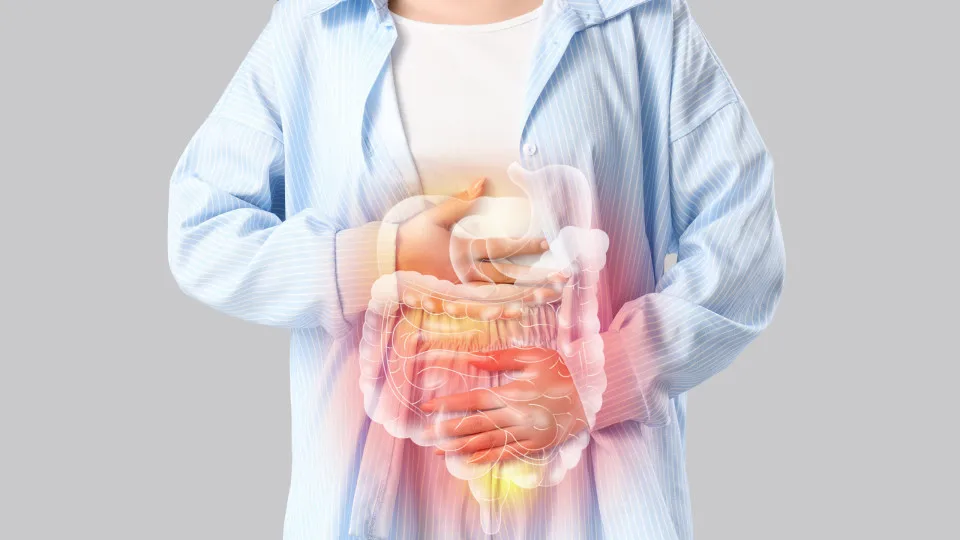
Chew calmly Digestion begins even before food reaches the stomach. Chewing well facilitates the following stages of the process and can influence gastric emptying and even the intestinal microbiota.
- “The act of chewing is medicinal,” says Hector Perez, doctor and bariatric surgeon.
- Nutritionist Dawn Menning also recommends slowing down your meal pace.
Editorial reading aid based only on information contained in this story and its identified source.
Experts interviewed by Real Simple brought together six habits that can be incorporated into your routine to reduce discomfort and promote intestinal health.
1. Chew calmly
Digestion begins even before food reaches the stomach. Chewing well facilitates the following stages of the process and can influence gastric emptying and even the intestinal microbiota.
“The act of chewing is medicinal,” says Hector Perez, doctor and bariatric surgeon.
Nutritionist Dawn Menning also recommends slowing down your meal pace. The advice is to eat slowly, stop before your stomach feels completely full and avoid eating meals too late.
2. Maintain regular eating times
The body follows a circadian rhythm, and the digestive system also responds to this cycle.
According to Perez, digestion involves a combination of bowel movements, neural activity, microbiota and schedules. Therefore, maintaining a more predictable eating routine can help the body function in a more coordinated manner.
The expert also cites research that associates a higher calorie intake at the beginning of the day and regular eating times with better functioning of the intestinal nervous system.
3. Avoid eating under stress
Eating meals during times of stress can make the digestive process difficult.
Doctor Shylah Schauer reminds us that the parasympathetic nervous system is known as the “rest and digest” state. When the body is more relaxed, it is better able to process food and absorb nutrients.
Therefore, reducing distractions, reducing rush and trying to eat meals in a calmer environment can be beneficial.
4. Increase your fiber consumption little by little
Fruits, vegetables, legumes, whole grains, beans and lentils are important sources of fiber and help with intestinal function.
The recommendation, however, is to increase the amount gradually, especially for those who are not used to consuming these foods frequently.
Schauer also cites the recommendation to include different types of vegetables in your diet throughout the week to promote the diversity of your intestinal microbiota.
In addition to contributing to the formation and movement of feces, fiber serves as food for beneficial bacteria present in the intestine.
5. Be careful with detox diets and intestinal cleanses
Products sold with the promise of "cleaning" or "detoxifying" the intestine are not recommended by experts.
According to Perez, detox teas, shots and antimicrobial protocols can also interfere with beneficial microorganisms and alter the balance of the microbiota.
When there is a need to modify your diet or use prebiotics and probiotics, the recommendation is to make gradual changes and, preferably, with professional guidance.
6. Drink water and keep your body active
Adequate hydration participates in different stages of digestion and also helps the intestine to function regularly.
"Drinking plenty of fluids throughout the day helps with digestive functions," says Menning.
Practicing physical activity can also contribute. According to the nutritionist, moving the body, including after meals, promotes blood flow to the digestive system and can help with the digestion process.
Persistent symptoms, such as pain, frequent bloating, significant changes in intestinal function or intense cramps, should be evaluated by a healthcare professional to identify the cause.