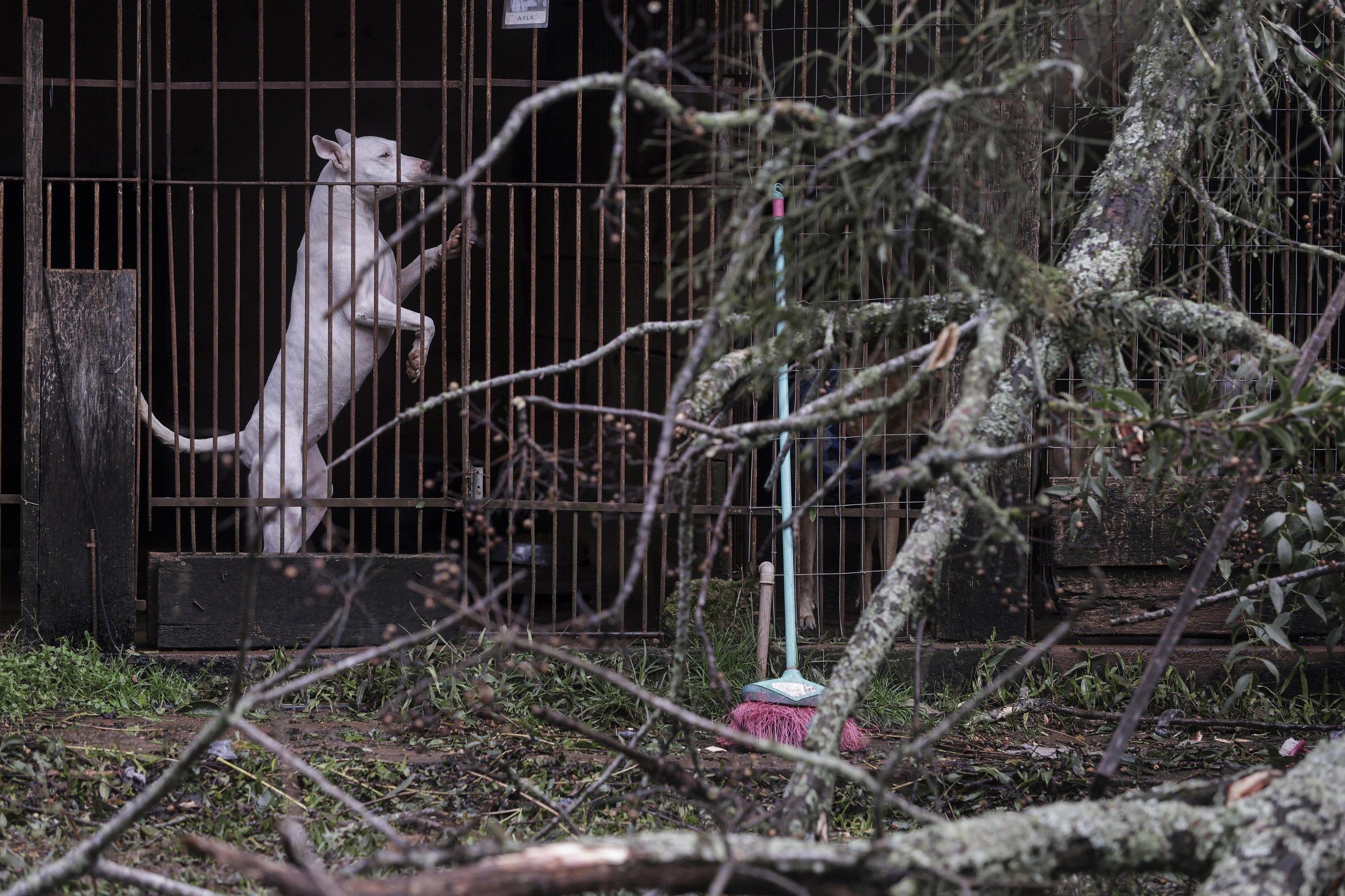
Find out what to do in case of extreme weather according to the Civil Defense The Civil Defense of Rio Grande do Sul has released guidelines for the population given the forecast of a sequence of adverse weather conditions in the state from Thursday (16). There is a risk of storms, intense rain, strong winds, hail, electrical discharges, flash floods and landslides. The general recommendation is to follow the information on the official channels of the state and municipal Civil Defense, in addition to knowing the city's Contingency Plan and the risks that exist in the region where the person lives or travels. The measures change according to the type of occurrence and also the level of alert issued. ? Access the g1 RS channel on WhatsApp Civil Defense reinforces general guidelines: the population must pay attention to the weather, prepare an emergency kit for quick exit, share information with nearby residents, whenever possible, and support the most vulnerable people. Below, see the specific recommendations for each occurrence. What to do in case of: What to do in case of hail What to do in case of windstorm What to do in case of flood What to do in case of landslide ? The population must not: return to evacuated areas without official authorization; travel through flooded or flooded areas, neither on foot nor by car; ignore signs of risk at home, on the land or in the neighborhood. Storm with hail destroys roofs and sanctuary fences with 300 animals rescued in RS Bruno Todeschini/Agência RBS What to do in case of hail ? In the yellow alert, the recommendation is: check the condition of trees; check roofs and woodwork of houses; monitor information from the municipal Civil Defense. ? If the alert changes to orange: avoid leaving home; if you need to leave, check the conditions of the route; carefully assess where the vehicle will be parked; seek information from the municipal Civil Defense, especially in areas with a history of flooding; Prepare an emergency kit with documents, clothes, water bottle and medicines. ? If there is a red alert: seek shelter; remain in a safe place until the sources of risk cease; monitor the evolution of the event, including at night; be ready to leave risky areas. ? In case of a purple alert: leave risk areas immediately; if you are in a safe place, remain there until the phenomena end; support the exit of people with mobility problems and others in vulnerable situations. What to do in case of a gale ? In the yellow alert, the guidance is: check the condition of the roofs; check the condition of the trees; consult the municipal Civil Defense to find out if there is a risk in the region. ? If the alert is orange: stay sheltered; avoid exposure to the phenomenon; if it is necessary to leave, seek information about the route; assess where the vehicle will be parked; prepare an emergency kit with documents, clothes, water and medicines. ? If the alert reaches the red level: stay in a safe place; wait for the sources of risk to end; monitor the evolution of the event, including at night; be ready to leave risk areas. ? In the purple alert, the recommendation is: leave risk areas immediately; do not return to evacuated locations without official authorization; support the most vulnerable people; ensure the safety of pets if it is necessary to leave the house quickly. What to do in case of floods ? In the yellow alert, the population must: check gutters; check drains; observe roofs; assess the condition of the trees; find out, from the municipal Civil Defense, whether there is a risk in the region; find out about the history of flooding, floods and landslides in the area; Contact the municipal Civil Defense if you find clogged manholes or with damaged covers. ? If the alert changes to orange: avoid leaving home; remain sheltered during the storm; if you need to leave, check the conditions of the route; seek guidance from the municipal Civil Defense, especially in places with a history of flooding; prepare an emergency kit with documents, clothes, water and medicines. ? On red alert, the guidance is: place furniture and utensils in higher locations; seek shelter; remain in a safe place until the sources of risk cease; be ready to leave places at risk of flooding, floods and flash floods; monitor the evolution of the event, including during the night. ? In case of a purple alert: leave risk areas immediately; do not travel through flooded or flooded areas; do not return to evacuated locations without official authorization; share information with neighbors if possible; support people with mobility problems and others in vulnerable situations. What to do in case of a landslide ? In a moderate alert situation, the recommendation is: know the history of landslides and other events in the region; identify risk areas; consult the municipality’s Contingency Plan to find out how to act. ? With the increase in the alert level, the population must: reduce exposure to phenomena; remain sheltered during storms; prepare an emergency kit with personal and family documents; evaluate the conditions of the routes; observe the locations where vehicles will be parked; adopt measures to ensure the safety of domestic animals. ?? At the highest alert levels, any sign of instability must be taken seriously. Among the signs cited by Civil Defense are cracks, leaning trees, tilting poles and vibrations. In these cases, the guidance is: leave the place immediately; activate Civil Defense; notify the Fire Department. If there is an evacuation, the population must follow the authorities' guidelines and remain in a safe place until the risk ends. The recommendation is also not to return to evacuated areas without official authorization. VIDEOS: Everything about RS
RS has a warning for severe weather: Civil Defense advises what to do in case of hail, gales, floods and landslides
Find out what to do in case of extreme weather according to the Civil Defense The Civil Defense of Rio Grande do Sul has released guidelines for the population given the forecast of a sequence of adverse weather conditions in the state...
The general recommendation is to follow the information on the official channels of the state and municipal Civil Defense, in addition to knowing the city's Contingency Plan and the risks that exist in the region where the person lives or travels. The measures change according to the type of occurrence and also the level of alert issued.
- Access the g1 RS channel on WhatsApp Civil Defense reinforces general guidelines: the population must pay attention to the weather, prepare an emergency kit for quick exit, share...
- Below, see the specific recommendations for each occurrence.
Editorial reading aid based only on information contained in this story and its identified source.