Tying your hair up before leaving the house is usually an automatic gesture. In just a few seconds, the ponytail is ready, the bun solves the busiest days and the braid helps control your strands during work, studies or the gym. Practicality makes this habit one of the most common among people with the most varied hair types, lengths and textures. But there is a question that many people only ask when they notice a change in the mirror. After all, can tying your hair every day cause breakage? Does the scalp become more sensitive with this habit? Could that frizz that appears near the forehead be a result of the elastic? And is sleeping with your hair tied up really bad? The answer depends on the way the hair is tied and the attention given before and after this process. Some adjustments make a difference to preserve the resistance of the strands and avoid damage that, little by little, ends up compromising the appearance of the hair. It is precisely at this moment that a good treatment routine comes into its own. Products developed to protect the hair fiber, control frizz and strengthen the strands help to reduce the impacts caused by friction and tension from hairstyles. The Blindagem, Brilho Extremo lines and the H2O Evolution fixing gel can be great allies for those who tie their hair frequently and want to keep their hair looking beautiful every day. Is tying your hair up every day bad? The problem isn't exactly in tying your hair up, but in repeating the same type of hairstyle, always with a lot of tension and using inappropriate accessories. When strands remain pulled for many hours, constant stress occurs on the hair fiber and scalp. Over time, this causes breakage, increases frizz, leaves some strands shorter around the face and can cause discomfort at the roots. Another important factor is friction. Elastic bands with metal parts, rough accessories or very tight hairstyles cause the fiber to lose part of its natural protection, leaving the hair more vulnerable to dryness and brittle ends. Five signs that your hairstyles may be damaging your hair 1. You notice a lot of broken strands near your forehead If small flyaways always appear in the same area, especially at the front of your head, it may not just be new hair growth. This is often due to breakage caused by the repetitive tension of styling. Alternating the position of the ponytail or bun helps to better distribute this pressure. 2. Your scalp hurts when you let your hair down The feeling of relief when undoing your hairstyle may indicate that it has remained tighter than ideal. When this happens frequently, the scalp becomes more sensitive and the hair remains subjected to constant force for several hours. 3. Frizz has increased precisely in the areas where the hair is trapped. The friction between the strands, the elastic and even the clothes favors the appearance of frizz. In these cases, products that help align the fiber surface make a difference. H2O Evolution's Extreme Shine line helps control flyaways, providing a more uniform finish and a healthier look. Less frizz, more shine and aligned strands even after hours with your hair tied up. H2O Evolution. 4. Hair appears thinner in certain regions Those who always wear the same hairstyle may notice a reduction in volume in specific areas, especially on the sides and front. This change usually happens gradually, so it is worth observing whether the thinning always appears in the most stressed areas. 5. The ends become rougher and more brittle When the hair remains tied up for a long time, the natural movement of the strands increases the friction between them. This wear favors the opening of the cuticles and leaves the ends more fragile. The H2O Evolution Blindagem line helps protect the hair fiber against external aggressions and strengthens the strands, reducing breakage caused by frequent styling. Protection and strengthening to help reduce breakage caused by everyday styling. H2O Evolution. Is sleeping with your hair tied up really bad? Very high buns, tight ponytails and stiff elastics increase tension throughout the night. As the body changes position several times while we sleep, friction also increases, favoring breakage and frizz. If you need to tie your strands up to sleep, the ideal is to opt for a looser hairstyle, using accessories covered in soft fabric and avoiding excessively tightening the roots. How to tie your hair without increasing breakage Some simple changes greatly reduce the impacts of this habit: Alternate the position of your hairstyle throughout the week to avoid always putting pressure on the same area. Choose elastics covered in fabric and avoid models with metal parts. Do not tighten your hair more than necessary. Whenever possible, leave your hair loose for certain periods of the day to relieve tension on your scalp. Before creating more elaborate hairstyles, use products that help protect and control your hair. Can fixing gel help without making your hair hard? Many people tighten their hairstyle too much because they believe that this is the only way to keep it firm throughout the day. In practice, a good finisher reduces this need. H2O Evolution's fixing gel offers support for different hairstyles without excessively hardening the strands, allowing for a more natural finish and reducing the need to tie the hair so tightly. This contributes to a beautiful look without increasing stress on the hair fiber. Fixation in the right amount for long-lasting hairstyles, with a natural finish and without hardening the strands. H2O Evolution. Habits that change everything Those who tie their hair up daily don't need to give up this habit. The secret is to reduce tension, vary your hairstyles, choose suitable accessories and invest in products that reinforce the protection of your hair. With the combination of the Blindagem line, the H2O Evolution line and the fixing gel, H2O Evolution offers solutions that help minimize breakage, control frizz and keep hair protected even for those who depend on hairstyles on a daily basis. This way, you can enjoy all the practicality of tying your hair without giving up beautiful, resistant and bouncy hair. Follow H2O Evolution on social media and find more tips, news and solutions to keep your hair always beautiful and well cared for.
Do you tie your hair up every day? Signs that the habit is damaging your hair
Tying your hair up before leaving the house is usually an automatic gesture. In just a few seconds, the ponytail is ready, the bun solves the busiest days and the braid helps control your strands during work, studies or the gym....
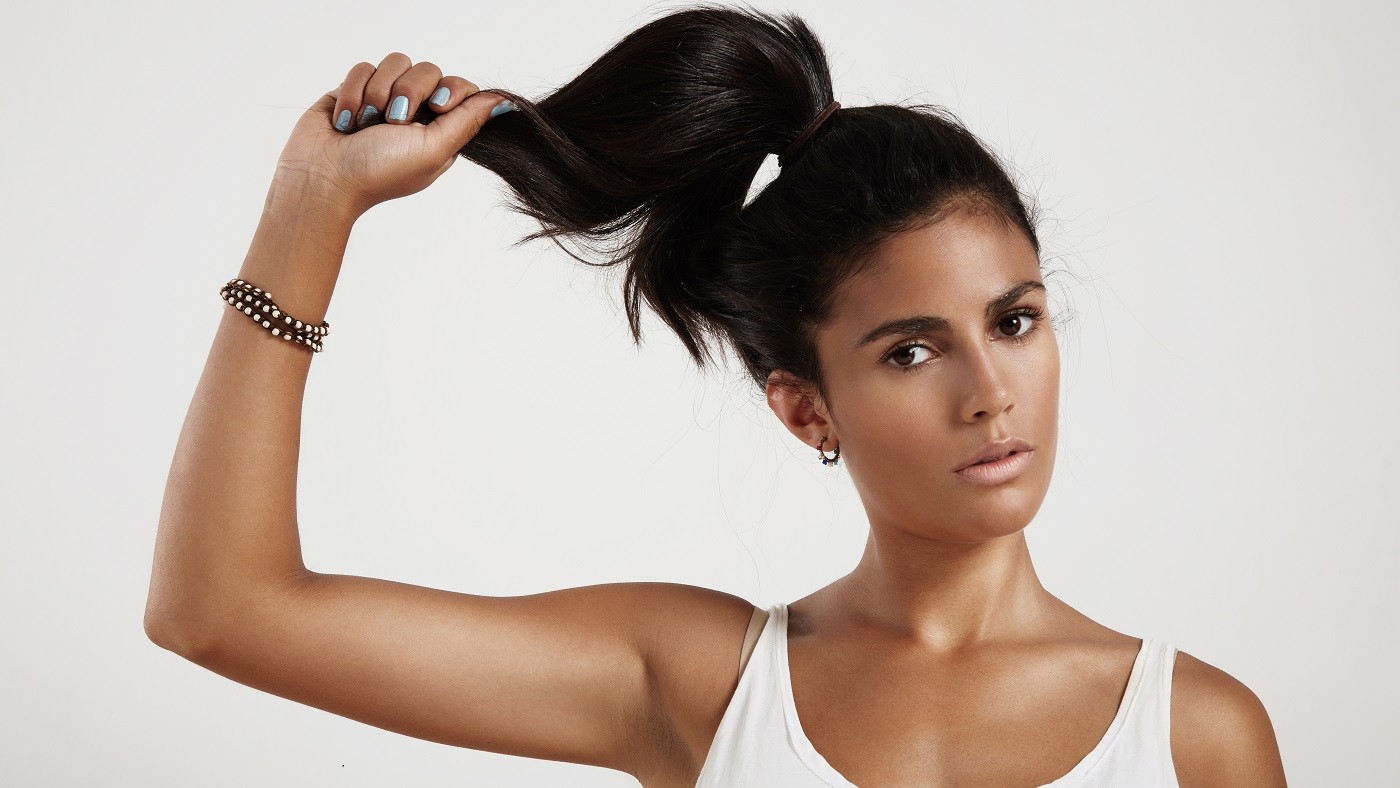
But there is a question that many people only ask when they notice a change in the mirror. After all, can tying your hair every day cause breakage?
- Does the scalp become more sensitive with this habit?
- Could that frizz that appears near the forehead be a result of the elastic?
Editorial reading aid based only on information contained in this story and its identified source.