Airport transported 69 thousand offshore workers in 2024. Disclosure Maricá Airport, in the Metropolitan Region of Rio, recorded a 396% growth in the transport of offshore workers between 2022 and 2024 and began to occupy a prominent position in air logistics for the oil and gas industry. The data comes from the Macroregional Aircraft Traffic Characterization Program (PMCTA), which also points out that the monitored system handled 2.58 million passengers in the Campos, Santos and Espírito Santo basins in the period. According to the survey, the airport transported 69 thousand offshore workers in 2024. In 2022, this number was 14 thousand passengers. The advance represents almost five times the volume recorded at the beginning of the series analyzed and is the largest growth observed by the program. ? Follow the g1 Região dos Lagos channel on WhatsApp.
Maricá expands offshore transport and consolidates itself as a new pre-salt logistics hub
Airport transported 69 thousand offshore workers in 2024. Disclosure Maricá Airport, in the Metropolitan Region of Rio, recorded a 396% growth in the transport of offshore workers between 2022 and 2024 and began to occupy a prominent...
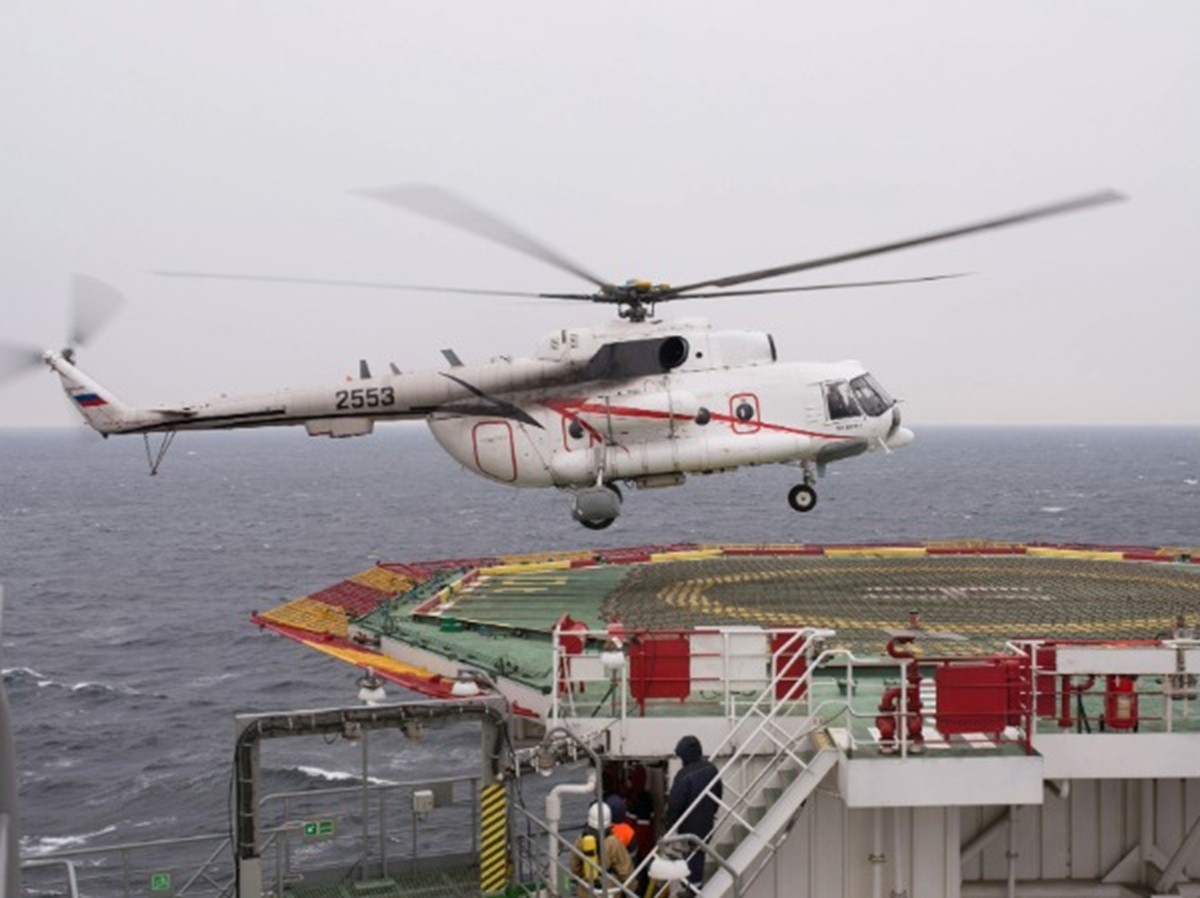
The data comes from the Macroregional Aircraft Traffic Characterization Program (PMCTA), which also points out that the monitored system handled 2.58 million passengers in the Campos, Santos and Espírito Santo basins in the period. In 2022, this number was 14 thousand passengers.
- The advance represents almost five times the volume recorded at the beginning of the series analyzed and is the largest growth observed by the program.
- Follow the g1 Região dos Lagos channel on WhatsApp.
Editorial reading aid based only on information contained in this story and its identified source.
The PMCTA brings together, for the first time in the country, consolidated information from ten oil and gas industry operators in a single study. Between 2022 and 2024, the system recorded a 21% increase in passenger movement, totaling 2.58 million workers transported by air. According to PMCTA coordinator, Thalita Furtado, the data shows the importance of the logistical structure necessary to maintain offshore operations. "Passenger data helps reveal a barely visible dimension of offshore production: before reaching the platforms, thousands of workers depend on a logistics network that involves airports, land transport, accommodation, regional infrastructure and operational planning," he stated. While Maricá showed strong growth, Joaquim de Azevedo Mancebo Airport, in Macaé, recorded a drop in movement. The number of passengers went from 121 thousand, in 2022, to 98 thousand in 2024, a reduction of 19%, indicating changes in the operational routes used by companies operating in the Campos Basin. The Farol de São Tomé Heliport remained the main offshore transport base for the survey. During the period analyzed, 980 thousand passengers were recorded. Annual movement went from 280 thousand, in 2022, to 380 thousand in 2024, a growth of 36%. The study also points out that 90% of passengers served by the heliport are destined for operations in the oil and gas industry, the highest dependence rate in the sector among all monitored bases. "In the case of Farol de São Tomé, 90% of passengers are for the oil and gas industry. You see an airport that is practically dedicated to the industry", highlighted Thalita Furtado. Data for 2025 is still being collected. According to PMCTA, the next stage of the study seeks to identify, together with other Macro Plan programs, the factors that influence the changes observed in passenger flow. The Macroregional Aircraft Traffic Characterization Program is a federal environmental licensing action conducted by Ibama, with financing from Petrobras. The survey consolidates information from ten operators in the oil and gas industry and monitors flights, number of passengers and the airports used to transport workers to maritime production units.