Google DeepMind CEO Demis Hassabis defended the creation of a regulatory entity dedicated to evaluating the security of the most advanced artificial intelligence systems. In the executive's view, the United States should lead the initiative.
Google advocates that the US lead the regulation of artificial intelligence
Google DeepMind CEO Demis Hassabis defended the creation of a regulatory entity dedicated to evaluating the security of the most advanced artificial intelligence systems. In the executive's view, the United States should lead the...
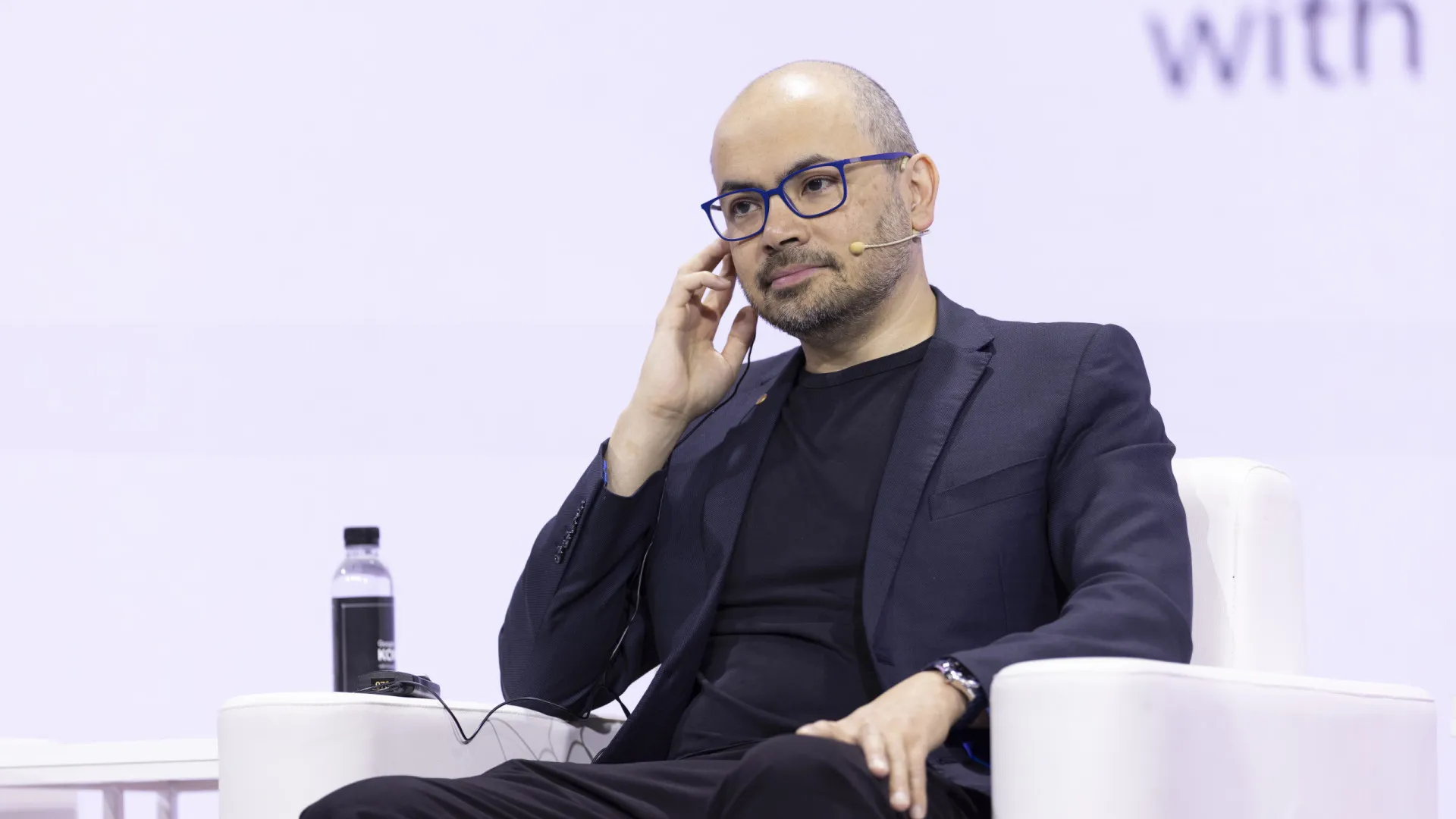
With the rapid expansion of AI tools, industry experts have discussed the need to create specific rules for models considered very powerful or capable of presenting relevant risks. Hassabis, co-founder and executive director of DeepMind, a division of Google focused on the development of artificial intelligence, joined this debate by proposing a body...
- Hassabis, co-founder and executive director of DeepMind, a division of Google focused on the development of artificial intelligence, joined this debate by proposing a body responsible for...
- In a post on LinkedIn, the executive stated that this entity could also coordinate a possible slowdown in the development of technology among companies that work with their own models.
- “When we look back on this period in the coming decades, I believe we will see that we were at the beginning of the singularity, nothing less than the beginning of a new era for humanity,”...
Editorial reading aid based only on information contained in this story and its identified source.
With the rapid expansion of AI tools, industry experts have discussed the need to create specific rules for models considered very powerful or capable of presenting relevant risks.
Hassabis, co-founder and executive director of DeepMind, a division of Google focused on the development of artificial intelligence, joined this debate by proposing a body responsible for analyzing the so-called “frontier models” before they are made available to the public.
In a post on LinkedIn, the executive stated that this entity could also coordinate a possible slowdown in the development of technology among companies that work with their own models.
“When we look back on this period in the coming decades, I believe we will see that we were at the beginning of the singularity, nothing less than the beginning of a new era for humanity,” he wrote.
According to Hassabis, the United States would be best positioned to lead the project because of the country's technological and economic strength. The proposal, however, foresees the participation of representatives of communities that develop open models and independent experts.
According to the website Axios, Hassabis has dedicated a significant part of his time to building the proposal. He would have already discussed the matter with members of the Donald Trump government, members of the European Commission and representatives of artificial intelligence laboratories.
The executive stated that he had received a “very positive” response from the American administration. The expectation would be to put the new entity into operation by the end of this year.
Australia announces body to regulate artificial intelligence
While Hassabis' proposal is still under discussion, Australia announced the creation of a government agency focused on artificial intelligence.
Prime Minister Anthony Albanese reported that the new AI Cabinet will be responsible for coordinating the development of national standards for the use and development of technology.
“From today, I establish the Office of AI in my administration to coordinate the creation of new national standards,” he said during a speech at the University of Sydney.
The Australian government intends to present a legislative proposal to Parliament early next year. According to Albanese, regulation should allow for faster decisions, without creating excessive obstacles to innovation or investments.
"Our objective is not to create laws for every possibility or risk. This could lead to Australia losing investment," he declared.
The country also announced plans to receive large artificial intelligence data centers, with measures aimed at reducing water consumption and increasing energy efficiency.
In April, the Australian government signed a memorandum of understanding with Anthropic, the American company responsible for the Claude assistant, to expand cooperation in the development and safe use of AI.
The company demonstrated interest in investing in data centers and energy infrastructure in Australia, in addition to expanding its operations in the Asia-Pacific region, with the opening of an office in Sydney.
In the same month, Microsoft announced an investment of 25 billion Australian dollars in the country until 2029. The objective is to expand the company's infrastructure dedicated to artificial intelligence by more than 140%.
Australia has been treating technology as one of the priorities for the country's economic growth and modernization. At the end of 2025, the government launched a National Artificial Intelligence Plan.
Meta is accused of using AI to choose fired employees
A lawsuit filed by 26 former employees claims that the system harmed people with disabilities, those on sick leave or pregnant women. The company denies the accusations and says that the decisions were made by managers