Indigenous person voting during election. Isabella Fernandez/RBS TV Amazonas has the largest number of indigenous people eligible to vote in the 2026 elections among Brazilian states, according to data from the Regional Electoral Court of Amazonas (TRE-AM). In total, there are 73,580 indigenous voters in the state. The number represents 25.6% of the entire Brazilian indigenous electorate and 53.7% of indigenous voters in the North Region. According to TRE-AM, there was also an increase in the number of indigenous voters compared to 2024, when Amazonas had 37,359 people identified as indigenous on the electoral register. ? Join the g1 AM channel on WhatsApp In two years, there was an increase of 36,221 indigenous voters in the state, which represents an increase of almost 97%.
2026 elections: Amazonas has the largest indigenous electorate in the country, with more than 70 thousand voters
Indigenous person voting during election. Isabella Fernandez/RBS TV Amazonas has the largest number of indigenous people eligible to vote in the 2026 elections among Brazilian states, according to data from the Regional Electoral Court of...
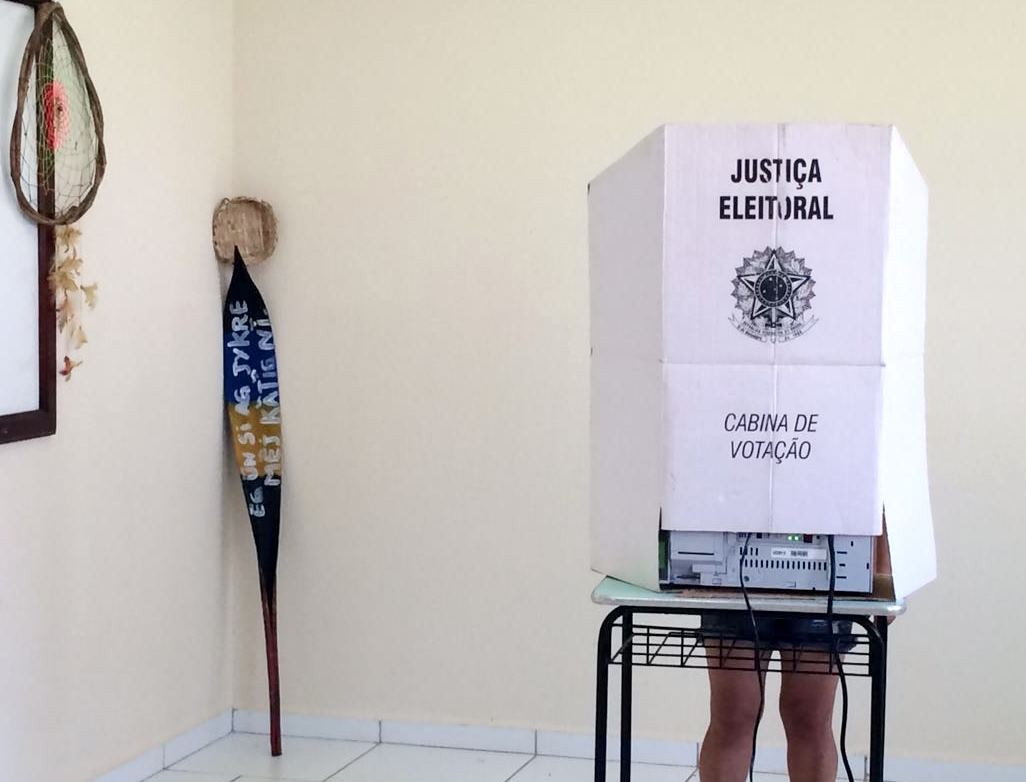
The number represents 25.6% of the entire Brazilian indigenous electorate and 53.7% of indigenous voters in the North Region. According to TRE-AM, there was also an increase in the number of indigenous voters compared to 2024, when Amazonas had 37,359 people identified as indigenous on the electoral register.
- Join the g1 AM channel on WhatsApp In two years, there was an increase of 36,221 indigenous voters in the state, which represents an increase of almost 97%.
- Representation The increase in the number of indigenous voters also increases the political weight of indigenous peoples in elections.
Editorial reading aid based only on information contained in this story and its identified source.
Representation The increase in the number of indigenous voters also increases the political weight of indigenous peoples in elections. In Amazonas, where hundreds of indigenous communities are concentrated, voting can be an important instrument to bring demands related to health, education, territory, infrastructure and access to public services to the electoral debate. For indigenous leader Ildinei Wakara Omágua Kam, the growth of the electorate represents greater strength for indigenous peoples. “It represents strength and voice to strengthen our cause in the state, because today there are countless of us and what we say and fight we seek to make known to the collective,” he said. Among the main issues that, according to him, need to be discussed by the candidates are health, education, housing and basic sanitation. “I, as a leader, the issues that I most want to be discussed are health, education, decent housing, basic sanitation for indigenous communities and projects so that we do not depend on the government”, he stated. For Ildinei, voting also represents a tool for transformation and for choosing representatives committed to indigenous demands. For me, exercising the right to vote means having the power to change and make a difference among many. Especially when we come together to place someone to represent us. Expanded access According to the Electoral Court, the growth is related to the improvement of registration and the expansion of ethnic-racial identification of voters. In 2022, the TRE started to include the self-declaration field at the time of registration. Voters were then able to inform their ethnicity and belonging to traditional peoples and communities during voter registration. The change contributed to expanding the identification of the indigenous population in the electorate and making the representation of this group in Electoral Court data more accurate.