At least 819 people left their homes after an attack by insurgent groups in Natugo, in the province of Cabo Delgado, in Mozambique. Among those displaced are 349 children, equivalent to 42% of the total, according to data from the International Organization for Migration (IOM).
Attack in Cabo Delgado forces 819 people to escape; 42% are children
At least 819 people left their homes after an attack by insurgent groups in Natugo, in the province of Cabo Delgado, in Mozambique. Among those displaced are 349 children, equivalent to 42% of the total, according to data from the...
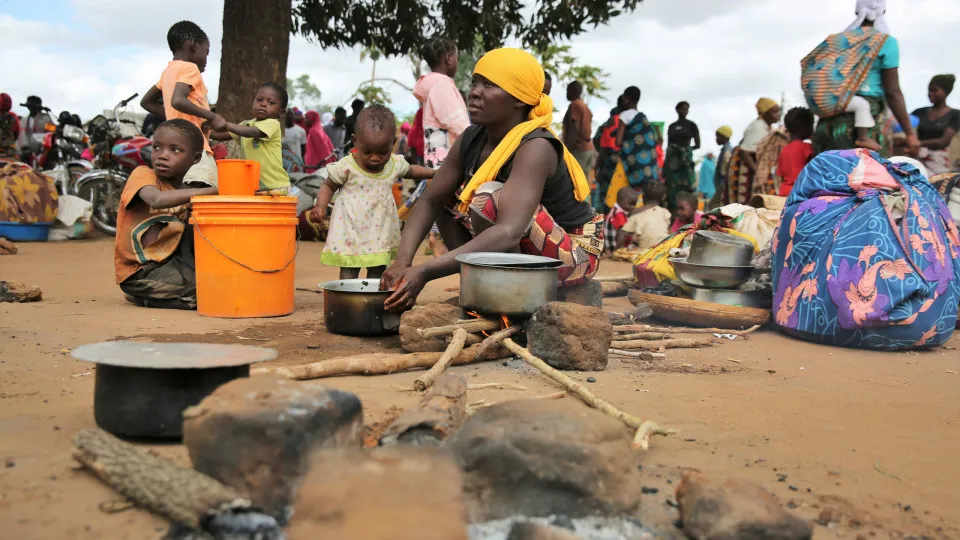
The attack took place on August 7, in the Natugo neighborhood, which belongs to the Mahate administrative post, in the Quissanga district. The clashes and fear of new armed actions led 370 families to leave the region in the following days.
- According to the IOM's emergency displacement monitoring mechanism, residents sought refuge in a new reception area located between the towns of 1.º de Maio and Napuda, also in Mahate.
- Emergency housing is being distributed on site.
Editorial reading aid based only on information contained in this story and its identified source.
The attack took place on August 7, in the Natugo neighborhood, which belongs to the Mahate administrative post, in the Quissanga district. The clashes and fear of new armed actions led 370 families to leave the region in the following days.
According to the IOM's emergency displacement monitoring mechanism, residents sought refuge in a new reception area located between the towns of 1.º de Maio and Napuda, also in Mahate. Emergency housing is being distributed on site.
Most people traveled on foot. Among those affected are 252 women, 218 men and 349 children. The organization also counted 22 elderly people over 60 years of age and eight people with disabilities.
Food, shelter and protection appear among the needs considered most urgent to meet the families who arrived in the new area.
Violence in Cabo Delgado causes new waves of displacementCabo Delgado has faced an armed insurgency since October 2017. The conflict in the region, which concentrates reserves of natural gas and mineral resources, has already left more than 6,600 people dead and caused successive displacements of the population.
A recent survey by the United Nations Office for the Coordination of Humanitarian Affairs (OCHA) had already recorded an increase in episodes of violence in June. Attacks against civilians appeared as the most frequent type of occurrence and mainly affected districts where humanitarian needs are most serious.
According to the document, the escalation of violence compromised the protection of the population, hampered access for humanitarian organizations and provoked new movements of residents in search of safety.
Of the incidents recorded in the period, 44, equivalent to 59% of the total, involved violence against civilians. These cases left ten people dead and resulted in the kidnapping of 72 others, allegedly for forced recruitment and labor or to collect ransom.
More than 400 children were recruited by armed groups in Mozambique
A report by the WHO and the Health Cluster points to a sharp increase in rapes against children in Mozambique, especially in Cabo Delgado. Recruitment, kidnappings and forced displacements have worsened in 2024, while more than 1 million people still need humanitarian aid in the north of the country