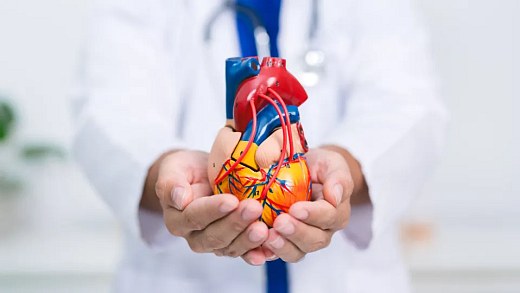
Blood pressure can vary throughout the day for different reasons, but some habits maintained for a long time can contribute to high levels. Hypertension often does not cause symptoms, which makes regular measurement important.
High blood pressure: 9 everyday habits that can raise levels
Blood pressure can vary throughout the day for different reasons, but some habits maintained for a long time can contribute to high levels. Hypertension often does not cause symptoms, which makes regular measurement...
365
365 Summary
Understand the story quickly
Blood pressure can vary throughout the day for different reasons, but some habits maintained for a long time can contribute to high levels. Hypertension often does not cause symptoms, which makes regular measurement important. Lack of physical activity, being overweight, inadequate diet, smoking and excessive alcohol consumption are among the factors...
Key points
- Blood pressure can vary throughout the day for different reasons, but some habits maintained for a long time can contribute to high levels.
- Hypertension often does not cause symptoms, which makes regular measurement important.
- Lack of physical activity, being overweight, inadequate diet, smoking and excessive alcohol consumption are among the factors associated with the development of high blood pressure.
Context
This story is part of the Lifestyle coverage. The original reporting source identified by the page is Noticias ao Minuto. Publication date: August 19, 2026 at 03:50.
What to watch
The next relevant developments are those connected to the facts and consequences described above; this page may be updated if the source material changes.
Editorial reading aid based on the information contained in this story and its identified source.

Lack of physical activity, being overweight, inadequate diet, smoking and excessive alcohol consumption are among the factors associated with the development of high blood pressure.
See nine habits that deserve attention.
1. Sleeping little or badly
One bad night does not mean a person will develop hypertension, but frequent lack of sleep is linked to a greater risk of high blood pressure.
During rest, blood pressure normally decreases. When sleep is insufficient or constantly interrupted, this process can be impaired. Studies funded by the National Heart, Lung and Blood Institute in the United States indicate that adults who regularly sleep between seven and eight hours have a lower risk of high blood pressure.
2. Skipping breakfast frequently
The relationship between not eating breakfast and high blood pressure is still studied and does not allow us to say that one thing directly causes the other.
Observational research, however, has found an association between regularly skipping the first meal of the day and a small increase in the risk of hypertension and other metabolic problems.
More important than simply having breakfast or not is observing the general quality of your diet.
3. Not maintaining adequate hydration
The amount of fluid in the body influences blood volume and the mechanisms used by the body to control circulation.
Dehydration can cause changes in blood pressure, although its effect is not always the same: depending on the intensity and health conditions, the pressure can rise or fall. Therefore, drinking water is important for your health, but it should not be seen as a treatment for hypertension.
4. Working too much and living under constant stress
Spending long hours working without rest can mean less time to sleep, exercise and take care of your diet, as well as increasing stress.
The direct relationship between long working hours and hypertension is not yet conclusive. A review published in 2024, for example, found no statistically significant increase in risk when all studies were analyzed together. Still, psychosocial factors and work stress continue to be investigated for their possible cardiovascular impacts.
5. Having a sedentary routine
Lack of exercise is one of the well-established risk factors for hypertension.
Regular physical activity improves cardiovascular health and can help control blood pressure. Brisk walking, cycling and other aerobic activities can already be part of this strategy.
6. Gaining excess weight
Overweight and obesity increase the heart's workload and are related to a greater risk of hypertension.
Maintaining a weight appropriate to each person's characteristics is one of the recommended measures to prevent and control high blood pressure.
7. Smoking
Cigarette smoking has immediate effects on the cardiovascular system. Smoking temporarily increases blood pressure and heart rate, as well as significantly increasing the risk of heart attack and stroke.
Quitting smoking is one of the most important measures to reduce cardiovascular risk.
8. Overindulging in alcoholic drinks
Excessive alcohol consumption can also raise blood pressure.
Frequent intake in large quantities is associated not only with hypertension, but also with arrhythmias, heart failure and an increased risk of stroke.
9. Consuming excess sugar
When talking about diet and high blood pressure, sodium tends to receive the most attention, and with good reason: there is consistent evidence that excessive consumption increases blood pressure.
But diets with lots of calories and added sugars can also indirectly contribute to the problem, mainly by promoting weight gain, obesity and metabolic changes. The American Heart Association includes excess sugar among components of a diet associated with a higher risk of hypertension.
Reducing ultra-processed foods, maintaining a balanced diet, exercising, taking care of your sleep, avoiding cigarettes and moderating alcohol consumption are among the main prevention measures. For those who already have a diagnosis of hypertension, lifestyle changes should accompany, and not replace, the treatment indicated by the healthcare professional.
Five foods that should not be eaten raw
Cake batter, unpasteurized milk, ground meat, dried beans and some mushrooms may contain bacteria, toxins or compounds that are harmful to your health. Experts recommend proper cooking or pasteurization before consumption
Source: Noticias ao Minuto
Next recommended read
This editorial update is based on information published by Noticias ao Minuto. The source link is provided for transparency and verification.
Open original publicationCardiologistas destacam alimento que pode ajudar a proteger o coração